Day 11 - 13th March A final day in Ghana, and a crossing into Cote d'Ivoire

Photo above - in Ghana heading towards Cote D'ivoire. More Photos below
Another day another fort
After breakfast, we made a short visit to a local fort called Fort William, which was built by the British for keeping slaves prior to the arrival of the ship to take them away. This fort, more so than the ones we saw yesterday, is in much more of a natural state, allowed to deteriorate, and as such is more atmospheric. The stories about the terrible way the slaves were treated, are however the same.
The road West continues
Next, we resumed our journey west along the main coastal road. A frequent sight whilst we have been travelling is broken down lorries on the side of the road, being worked on by their drivers. I assume that this is primarily due to the state of the roads, but a contributing factor may be the age of the vehicles. I have also noticed a lot of free roaming goats in Ghana, along the road and in the villages. At one point on the road today we encountered a fleet of police motorbikes that were asking all traffic to pull into the side. A minute later a whole line of black government vehicles passed by in a convoy, carrying a minister or some government officials.
As we travelled further west, the road surface definitely deteriorated with vehicles constantly having to weave back and forth to try and avoid the biggest holes.
We eventually arrived at a town called Axim (population 28,000). Here we stopped at the 16th century Portuguese fort, one of many early European fortifications dotted along this coast.
Last few miles in Ghana
After exploring the fort, we did our last few miles in Ghana, to drive to the border with Ivory Coast. We had about 3 hours to get there as it closes at 6pm. As we got closer, the roads had a much better surface and the traffic was much lighter. Not far from the border, we got stopped at a police checkpoint, and had to show papers stating we were not taking the van across the border. We are going to get a different vehicle in Cote d'Ivoire.
The whole process to depart Ghana and enter Cote d'Ivoire took about an hour. Once through the border, we continued to the small town of Aboisso (population approx. 100,000), where we are staying tonight . First impressions compared with Ghana after one hour on the road - less traffic, less roadside villages, less rubbish, better road surfaces, more lush and green.
About Cote d'Ivoire
Officially known as the Republic of Cote d’Ivoire, the country is bordered by Ghana in the east, Burkina Faso, Mali and Guinea in the north, Liberia to the west, and the Atlantic in the south. It has a population of approximately half that of the UK, but has a slightly larger land area. The official language is French, having gained independence from France in 1960, however around 78 different languages are spoken here. The primary religions are Islam and Christianity. It is the world’s largest exporter of Cocoa Beans, and a large producer of palm oil, sugar cane, coffee. There are a few elephants up in the north of the country, and lots of wild chimpanzees.
At about 8pm we ventured into the centre of the small town of Aboisso, where we sat in the centre square people watching with a beer. It was a busy Friday night, but all very chilled and friendly. As usual we elicited some stares as the only white people there. Tomorrow we continue west further into Cote d'Ivoire to visit the former french colonial capital.
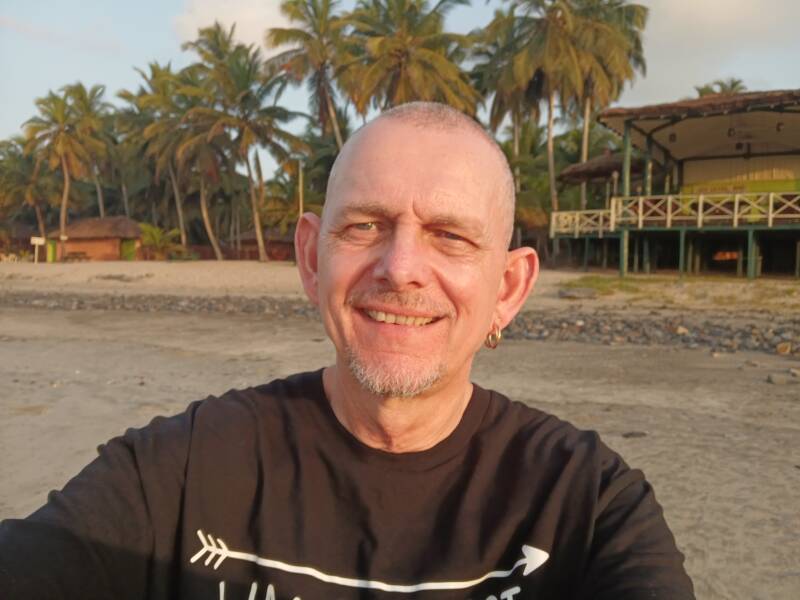
Our hotel for the last night in Ghana
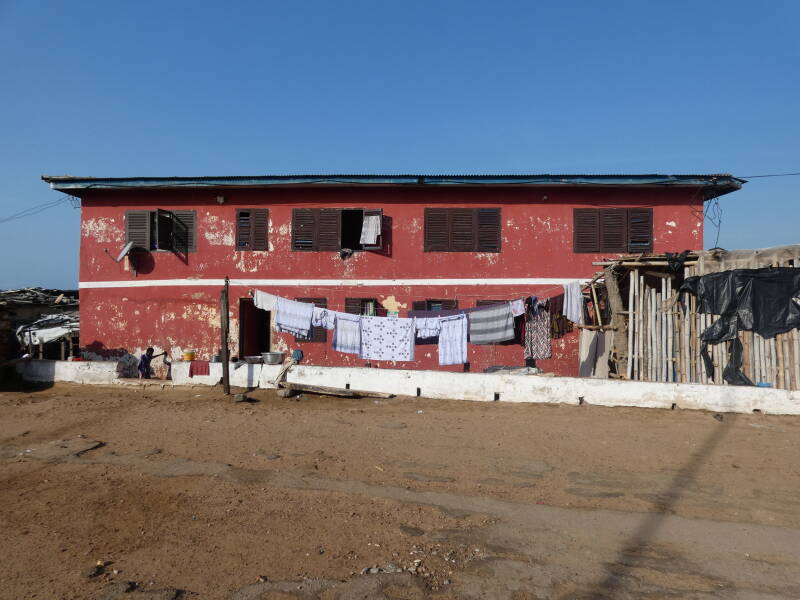
Washing day
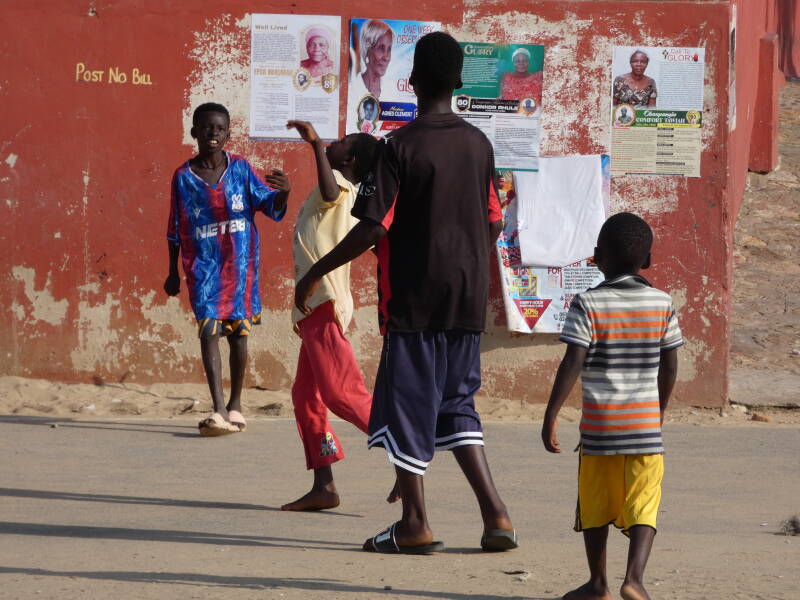
Playing footy on the streets of Anomabu
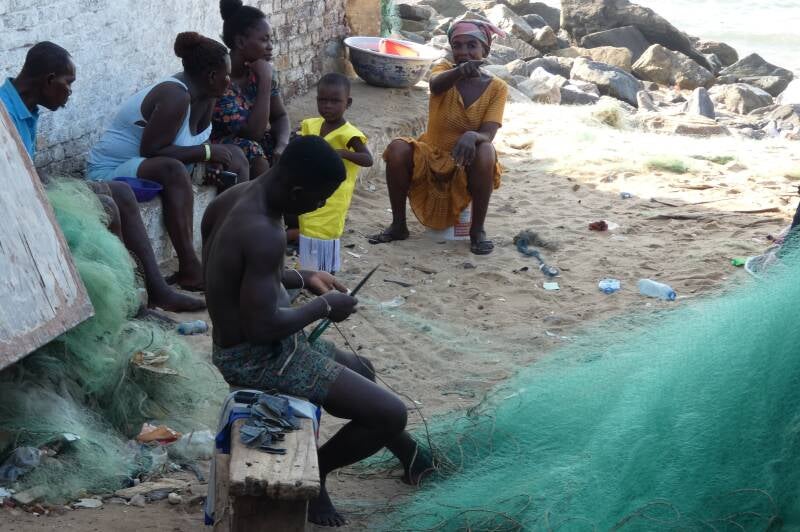
Mending the nets in Anomabu
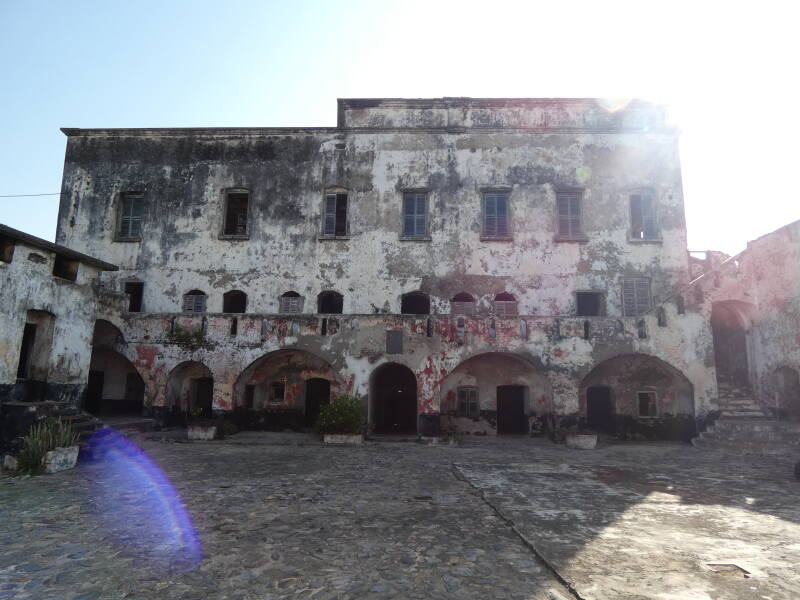
Fort William, Anomabu
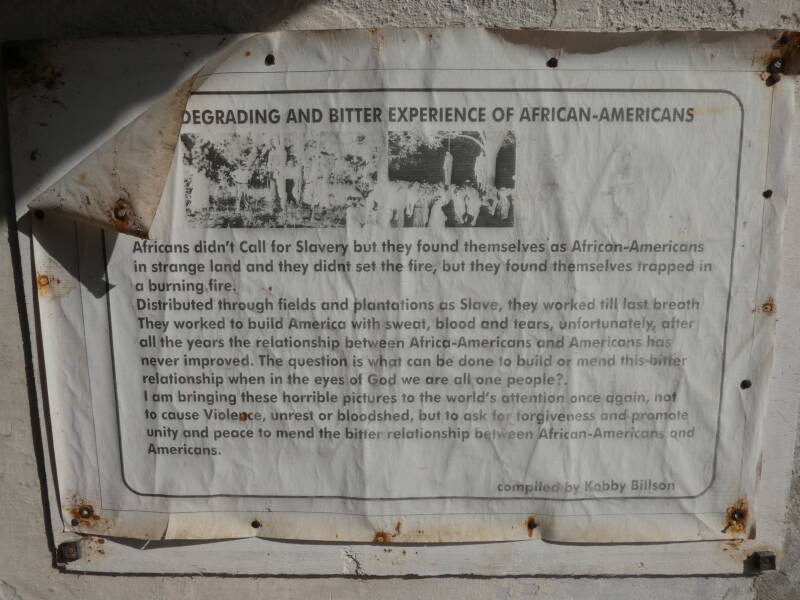
Fort William, Anomabu
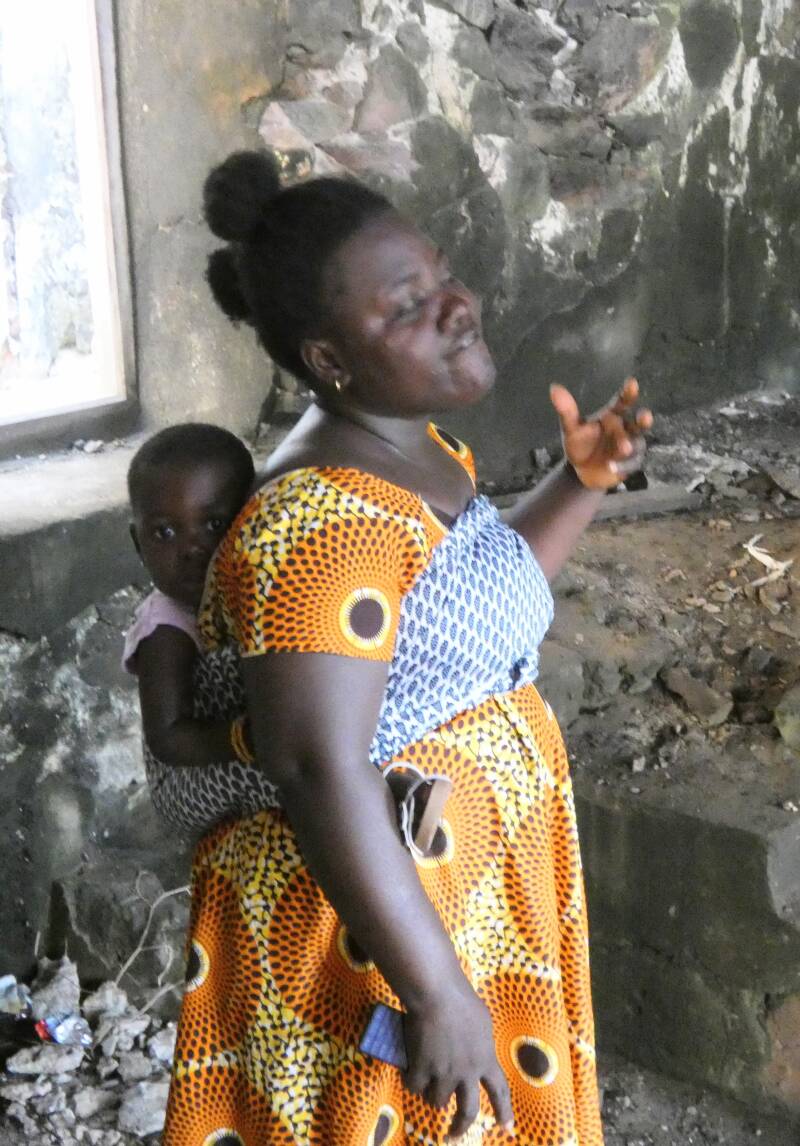
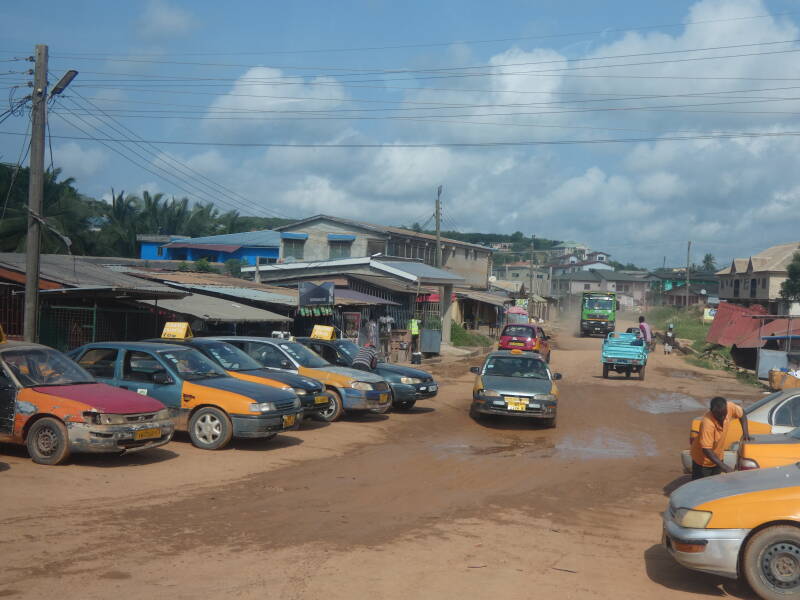
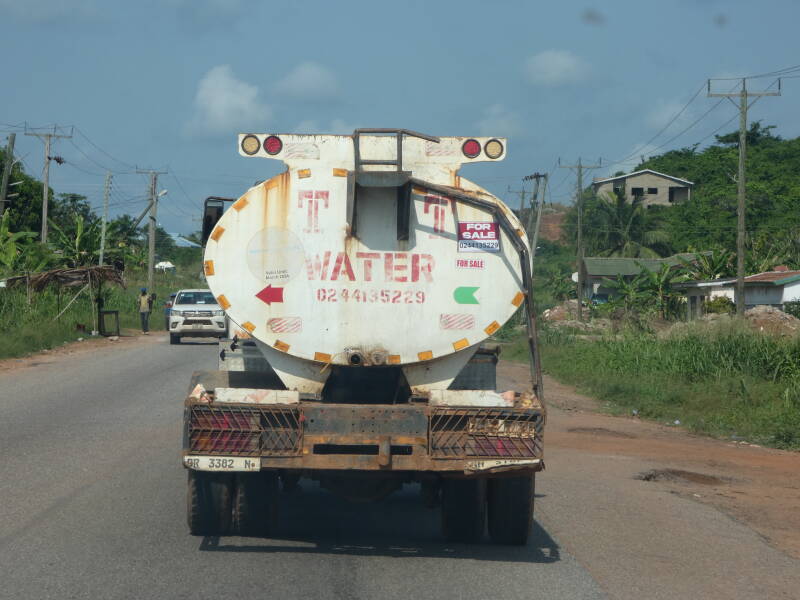
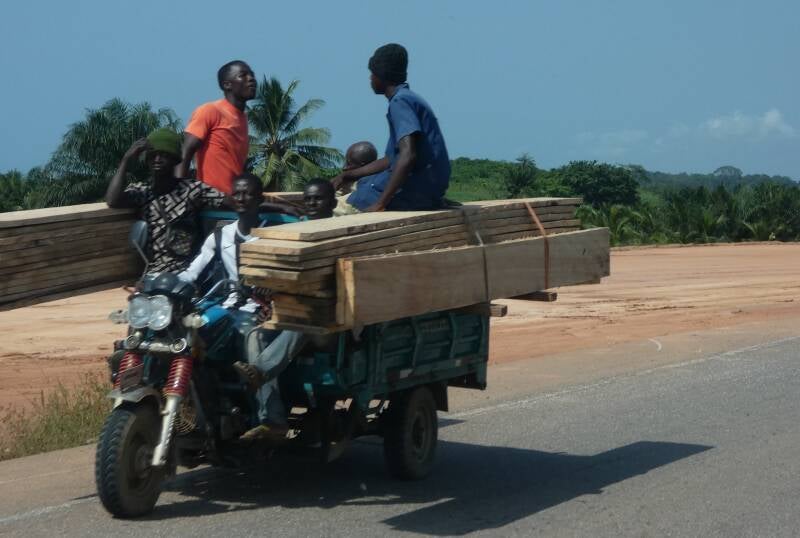
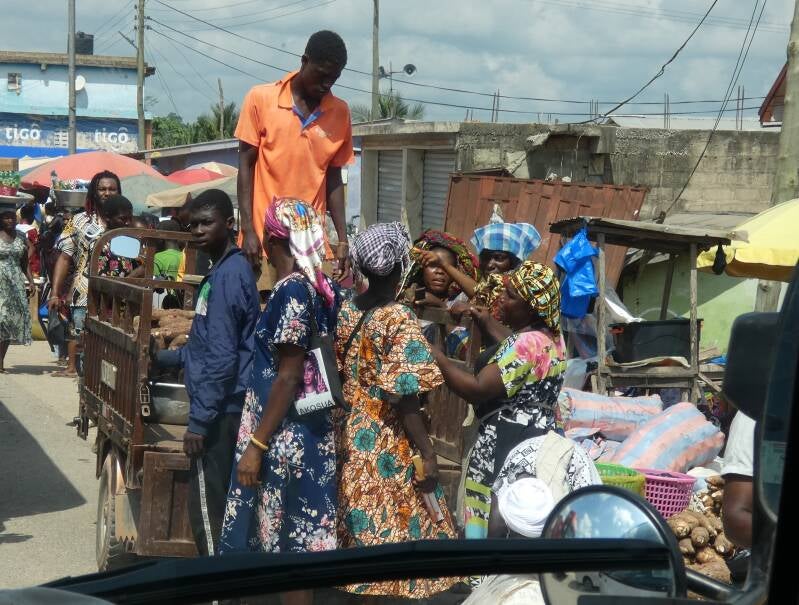
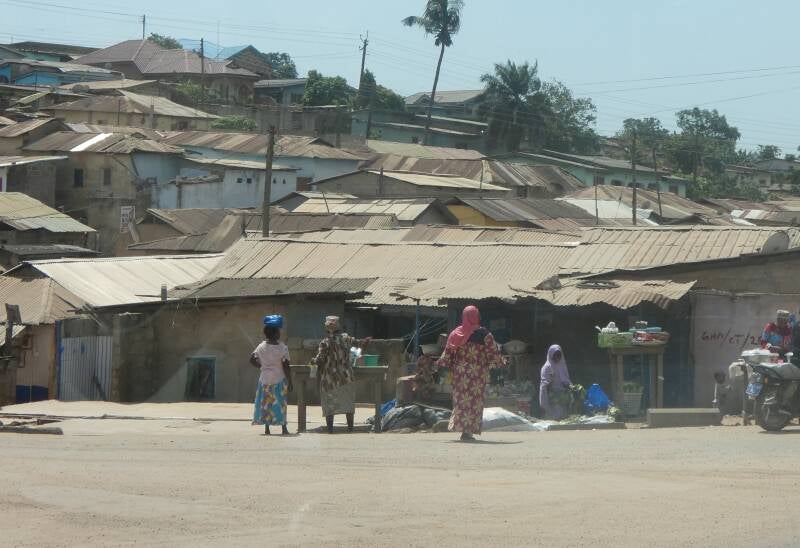
On the road to Cote d'Ivoire
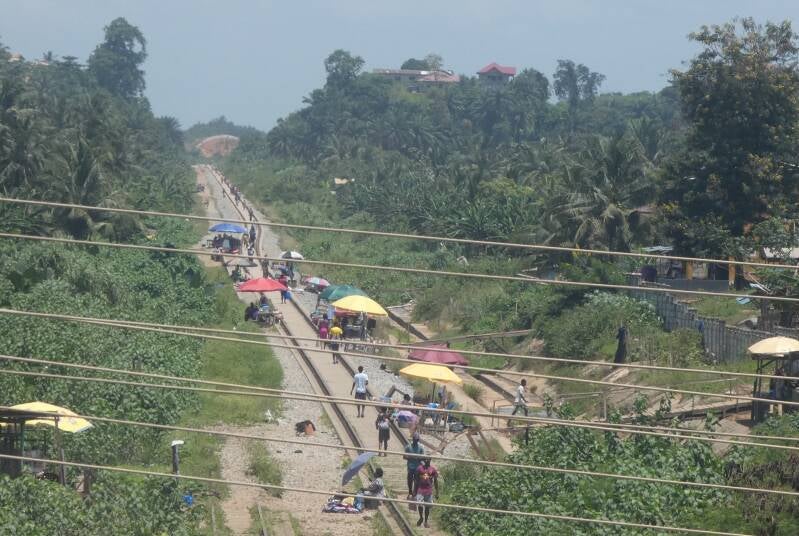
Everywhere is a potential retail opportunity
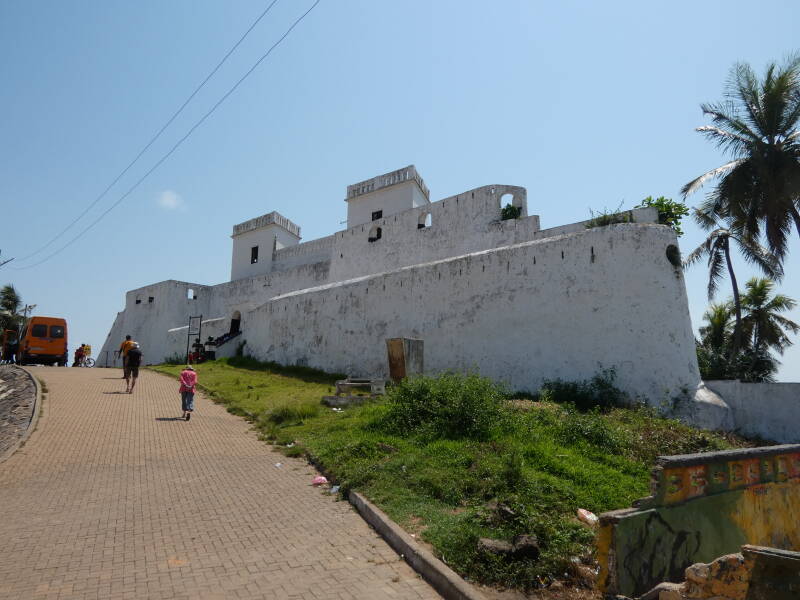
Axim Fort
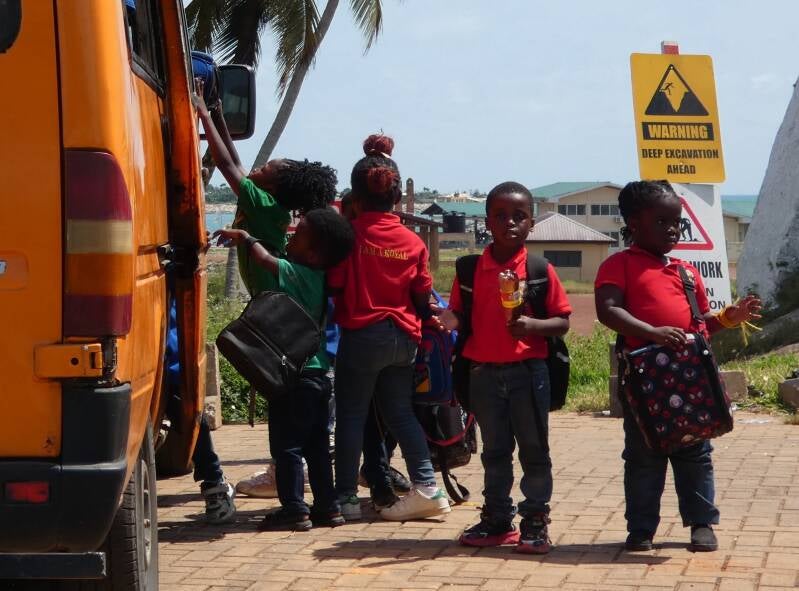
School trip to Axim Fort
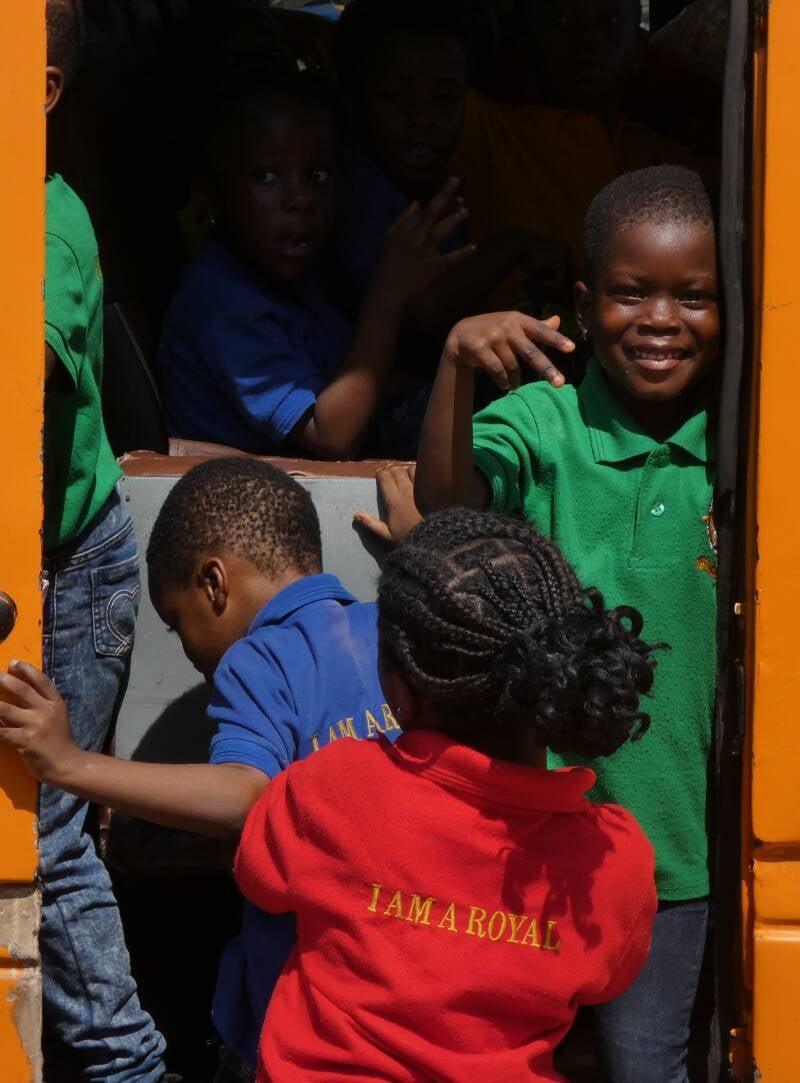
School trip to Axim Fort
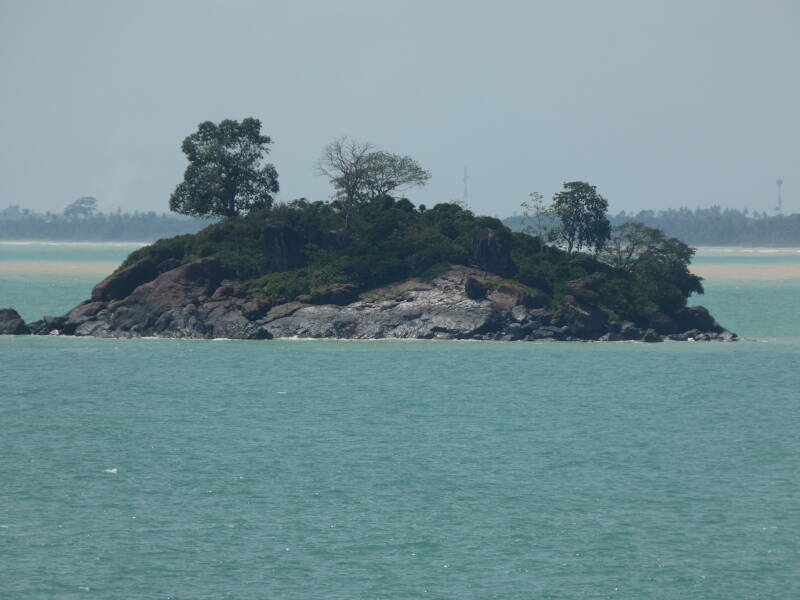
View from Axim Fort
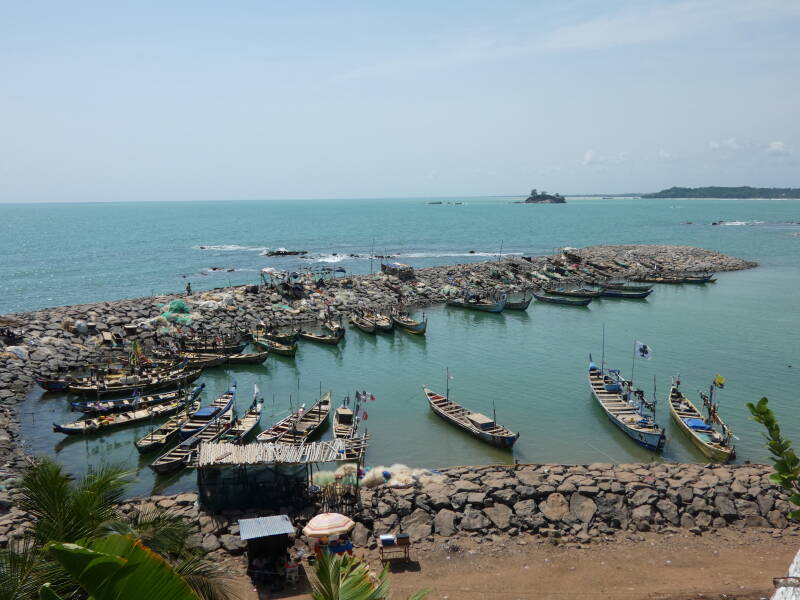
View from Axim Fort
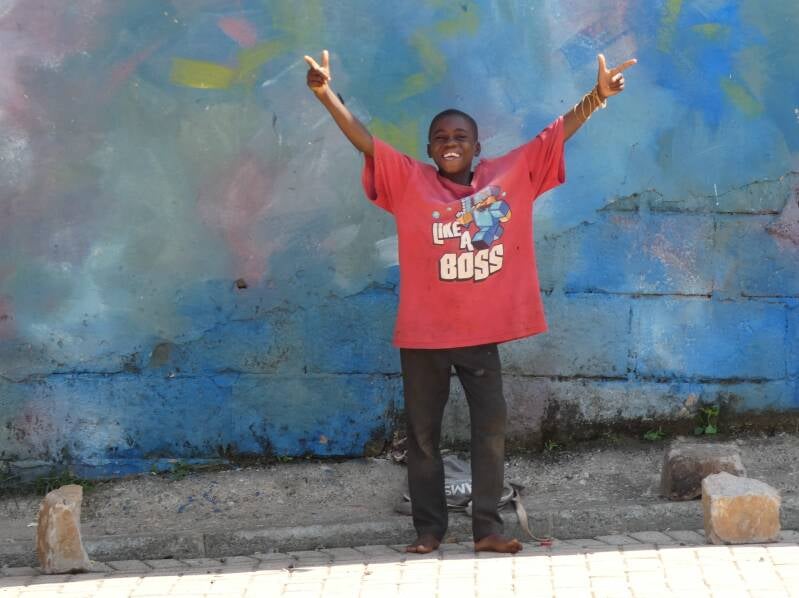
Kids who were playing football at Axim Fort
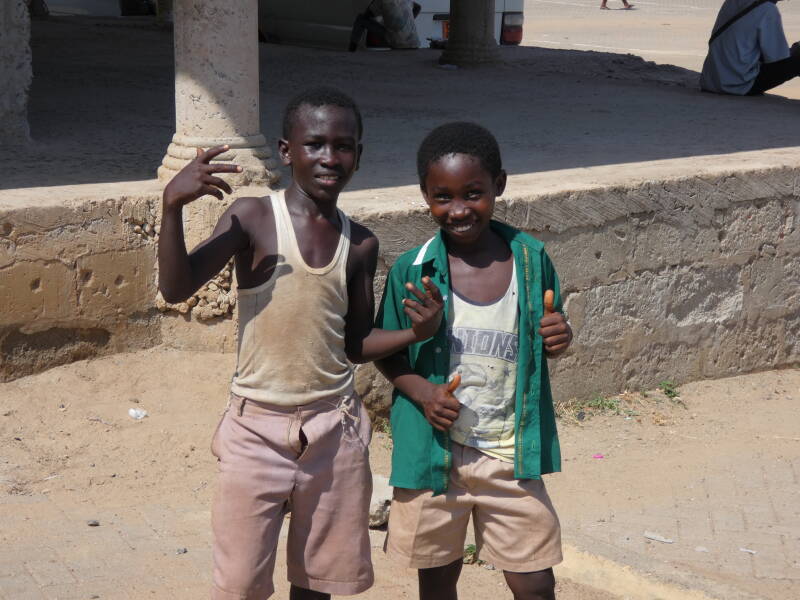
Kids who were playing football at Axim Fort
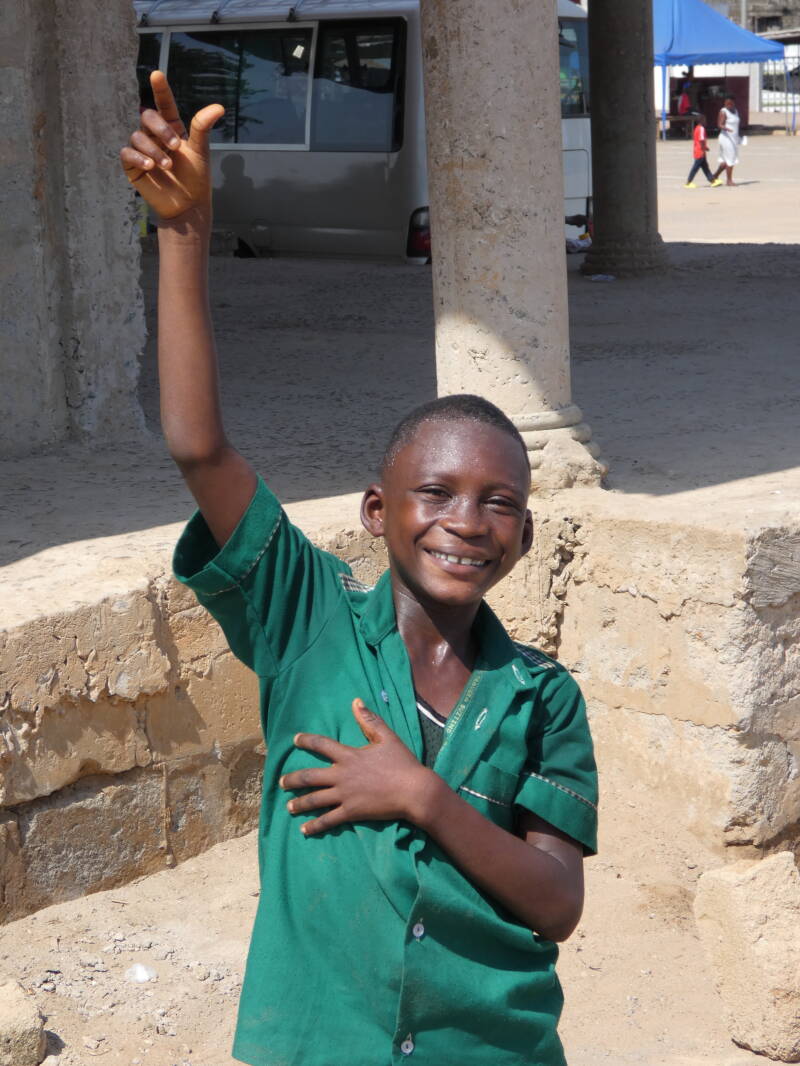
Kids who were playing football at Axim Fort
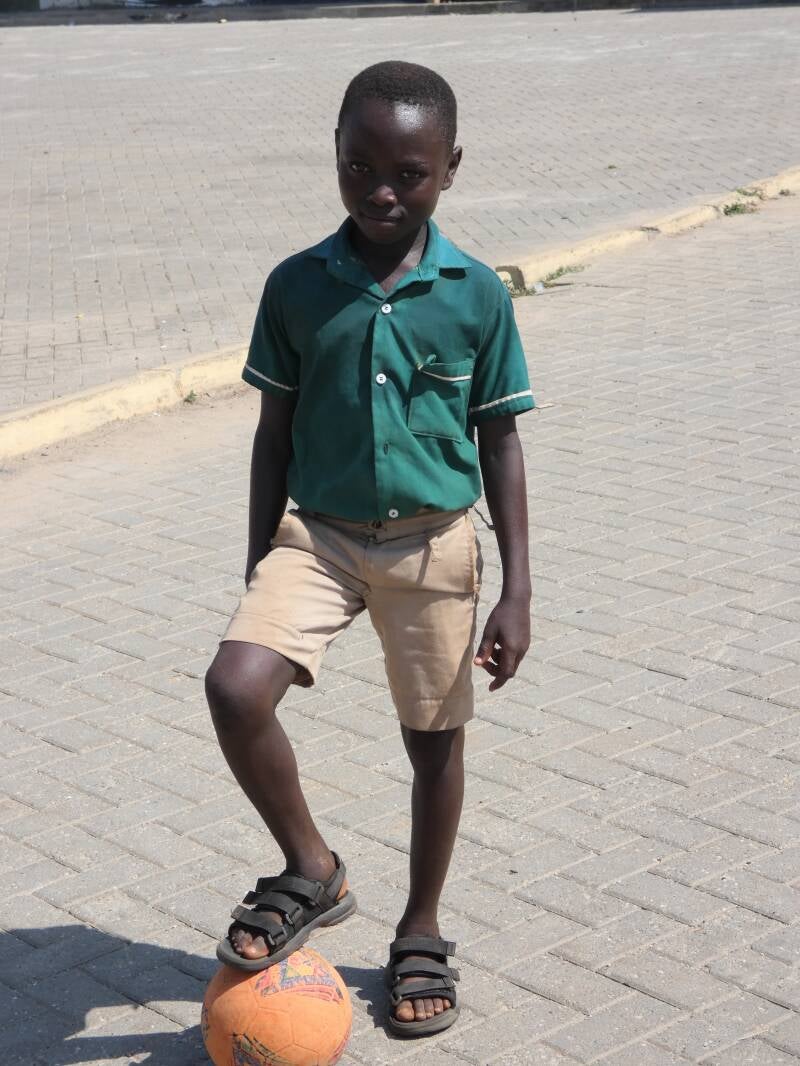
Kids who were playing football at Axim Fort
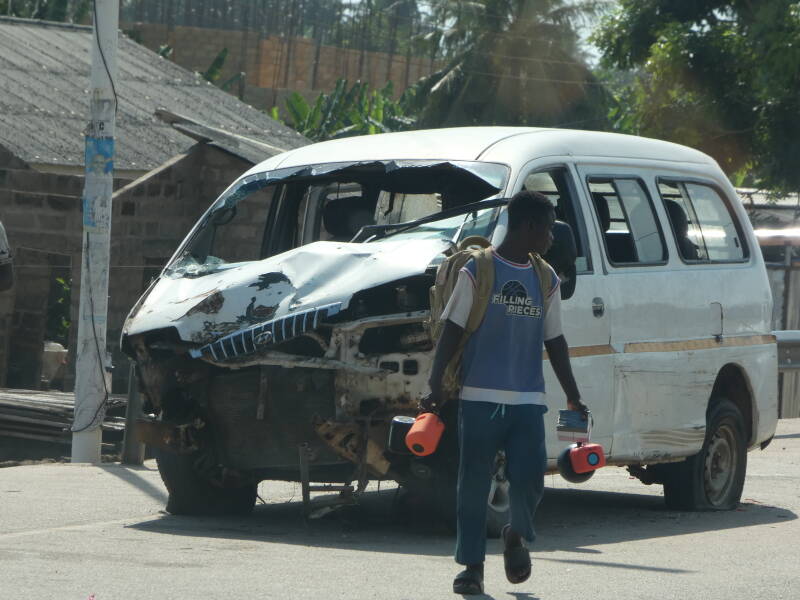
Accidents happen
Create Your Own Website With Webador