Day 18 - 20th March Drive south West across Liberia, to the capital Monrovia.

Photo above - two sides of Monravia, the beach and the port. More photos below
Driving across Liberia
Today we drive south to the capital of Liberia, Monrovia. The city has a population of about 2.2 million, approximately a third of the country’s total population.
I was woken up this morning by a call to prayer. For a few days now we have been going through areas that have a reasonably large Muslim population. We started off at 7.30am and started our drive south. As we reached the outer limits of the city we were stopped at a major police checkpoint where we had to show our passports. Luckily we had a guy from immigration with us who helped us through the border yesterday, and travelled with us to our hotel last night.
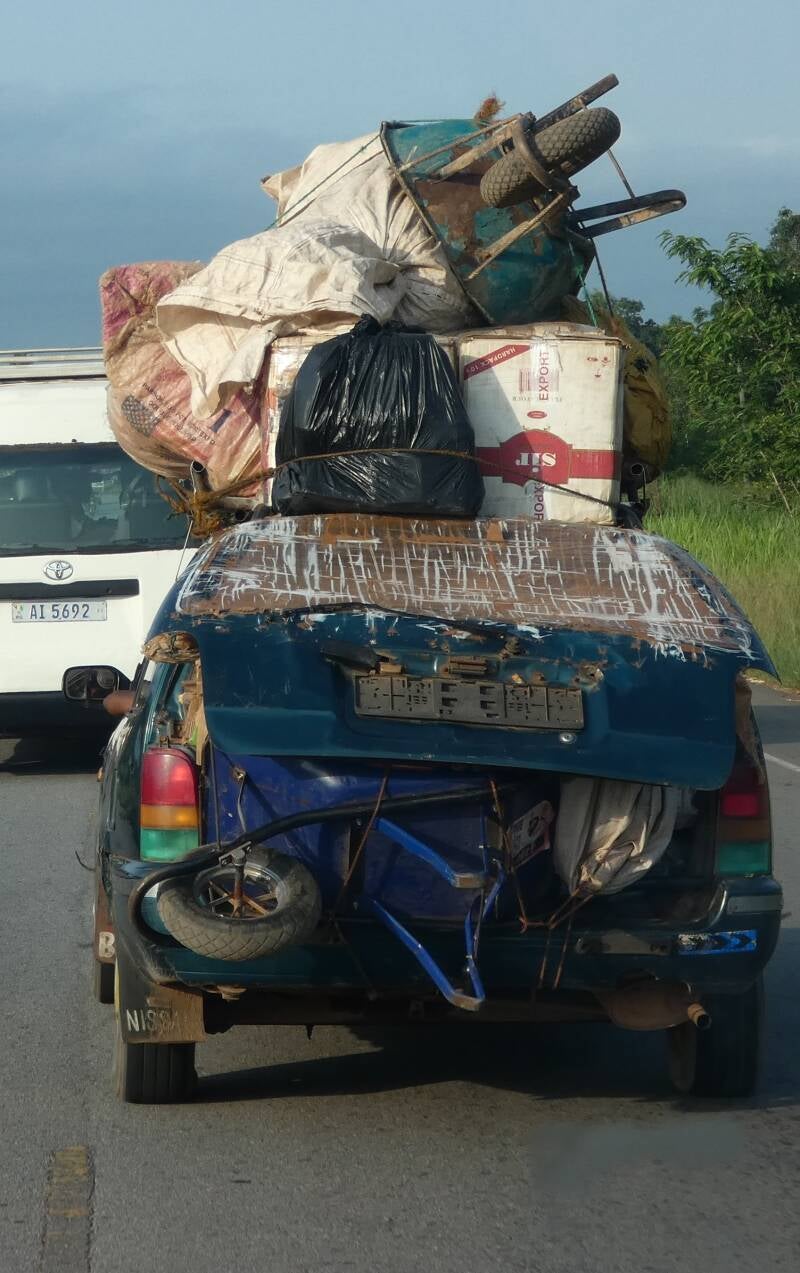
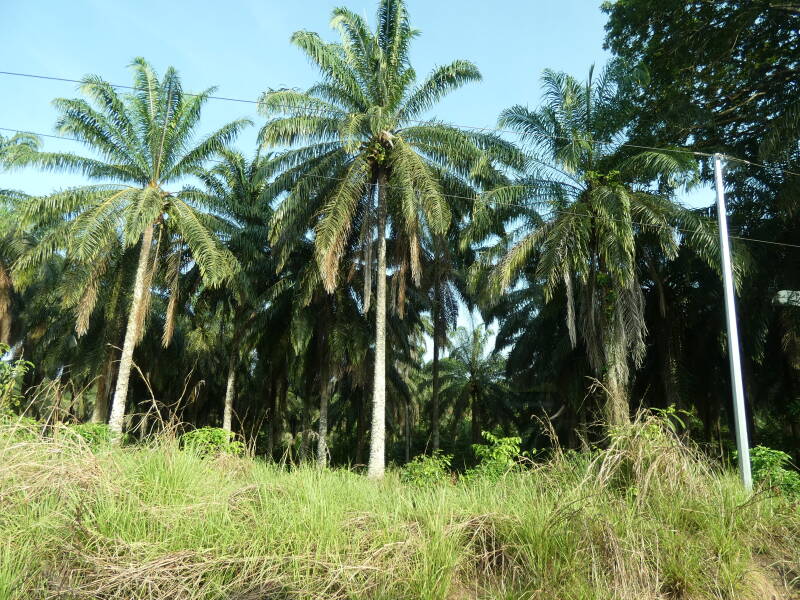
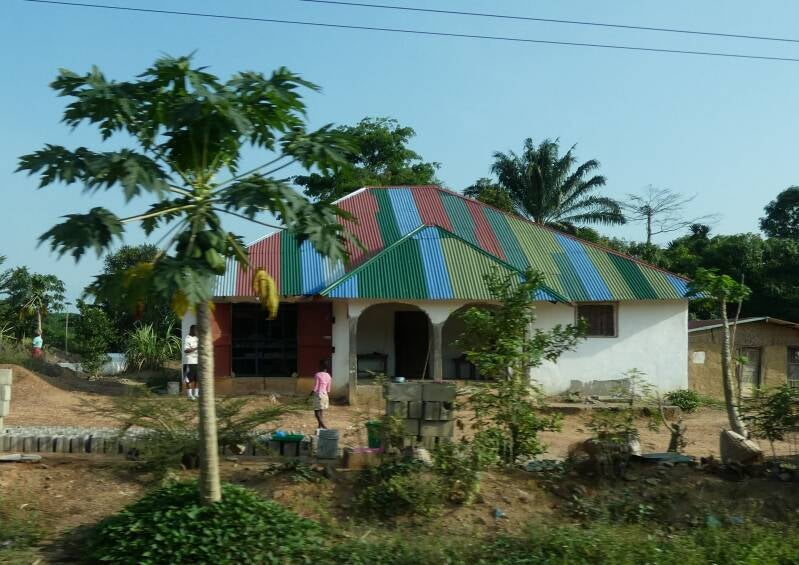
The first hour we passed through very lush and green scenery, with the occasional small village. There seems to be a lot less rubbish around, and the road remained a well surfaced road with little traffic. Surprisingly very few trucks, and lots of bikes in the village areas, next to no cars.
Village visit and and a meeting with the chief
After about an hour, we stopped at a random village at the side of the road and had a wander through. There were probably about 20 very basic clay houses there. They have a mechanical well provided with EU money. They use the trees growing in the village, for food, building materials, and medicine. They gather a particular crop from the forest nearby which they sell for use in herbal medicine. Naturally everyone came out to see who we were, including the chief of the village who was a woman. We tried some cola seeds, very bitter, and some sweet palm wine with ants in!
The road trip continues, the fuel runs out
We then continued on our drive. The other big road users are pedestrians here. There was a constant stream of people carrying food, pushing wheelbarrows, walking to school, going to work carrying machetes etc.
After about an hour and a half we had to stop as we had ran out of fuel. The driver had been aware that we urgently needed some but we had not seen a petrol station, so we had to stop at a small town and buy some black market fuel. Eventually we found a petrol station and filled up. The rest of the journey went smoothly.
Entering the capital
As we approached the capital, there were more and more motorbikes and tuk tuks on the road. By the time we got to the city it was mayhem on the roads, as we tried to thread our way through a sea of bikes and tuk tuks. Still very few cars. The city is like a gigantic village with market stalls and small shops lining the dusty side of the road, whilst interspersed between them might be a school, or a factory, or a bank, all mixed in together. At the coastal side of the city we passed the port, then we drove through the thinner streets, up to just about the highest point of the city, where the buildings are a bit more posh, and where some countries have their embassies. We eventually found our hotel, and checked in, then had lunch, before re-grouping later to go out and explore a bit.
Looking round Monravia
We visited the National Museum to learn more about the indigenous people of Liberia; and the Masonic Temple of Liberia, that has played an important part in Liberian history over the years, and hosts important political events.
Monrovia has a close association with both the slave trade and the return of emancipated slaves to Africa; it is named after James Monroe, the US president who was instrumental in the latter campaign. It was ravaged by war in the 1990s, between government forces and Liberia’s National Patriotic Front.
Ghost hotel
Last stop was one of the stranger places I have visited as a tourist. At the highest point in Monrovia, there is the Ducor Hotel, the first five star hotel in West Africa. Various nobilities have stayed there including Idi Amin, Queen Elizabeth11, Nelson Mandela etc. However during the civil war, it was looted and vandalised, and is now only a war ravaged shell. After the war, it was sold to Libya who were going to redevelop it, however for various reasons this never happened. So now, in order to look inside we need to seek permission from Libyan officials to go inside.
With some persuasion, they let us through a padlocked gate. We then had to walk past some dogs who were chained to concrete pillars, and then were shown through the empty shell of a hotel, where we were only allowed to take photos of certain angles, and no people must be in the shots. Truly weird.
Afterwards we went back to the hotel. A couple of us went down to the beach which is opposite to have a beer in the local bar. We were warned not to stay on the beach after dark, but the bar owner was a very friendly lady from Guinea, who after setting up a table for us on the beach, told us about where she was from, and was very interested about our trip as we are going through her home town. After the sun went down we retired back to the hotel, behind the safety of private security guards!
Tomorrow, we have another long day of driving to cross the border into Sierra Leone.
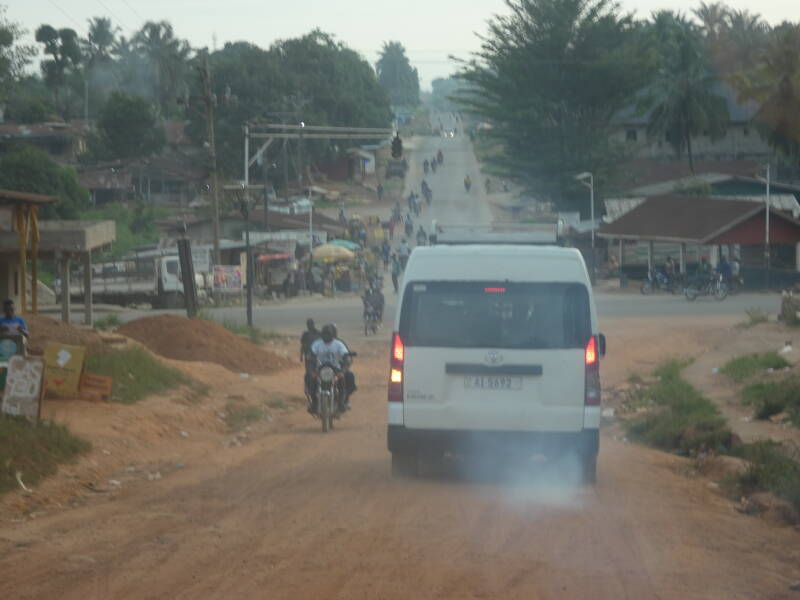
The journey to the capital begins
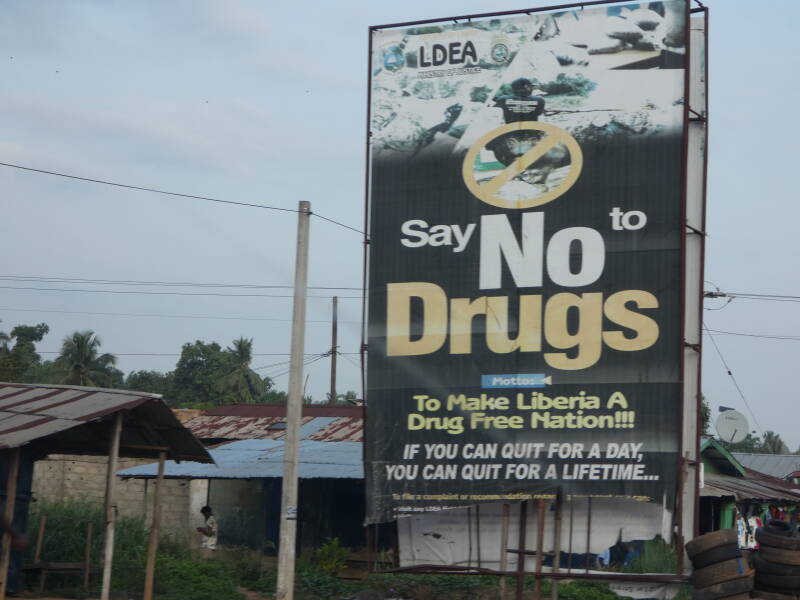
On the road
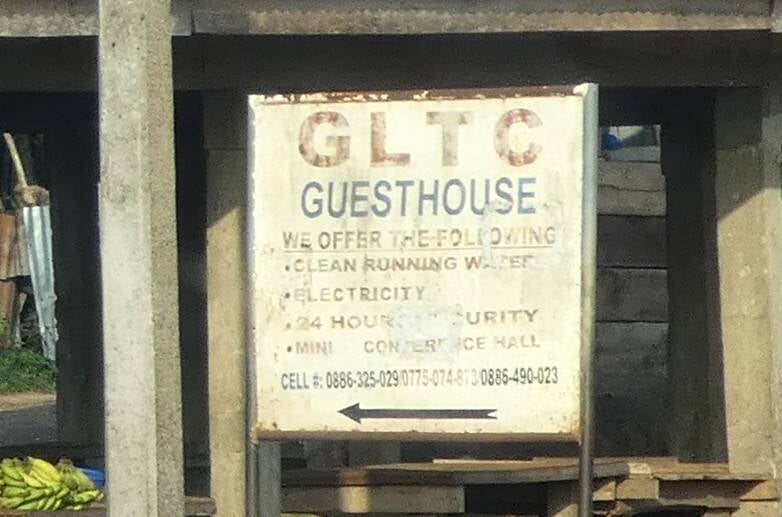
On the road
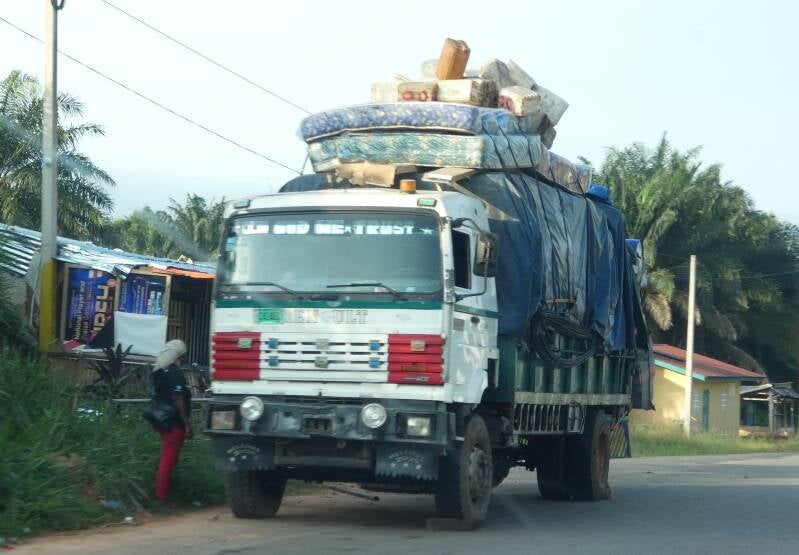
On the road
On the road
On the road
On the road
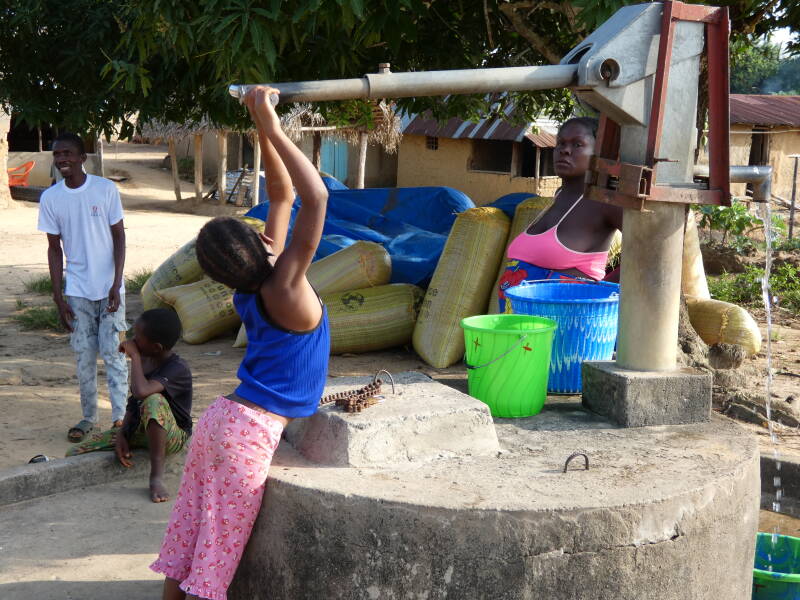
Village life, at the well
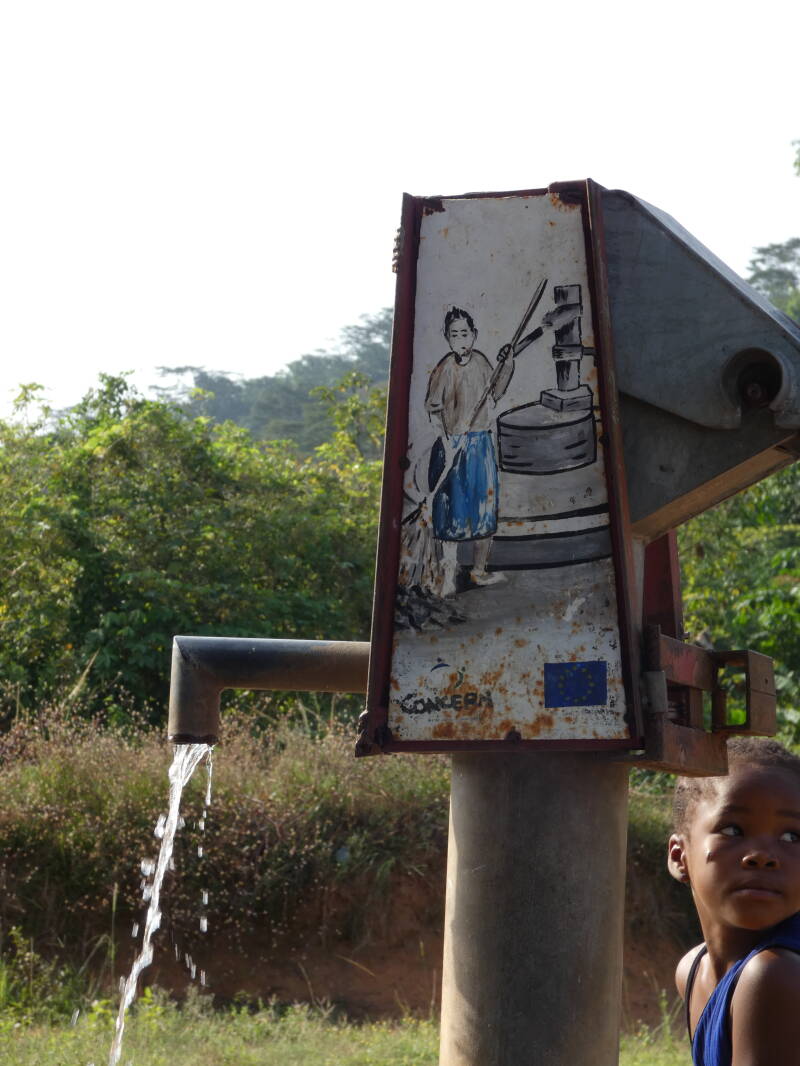
Village well, supplied by the EU
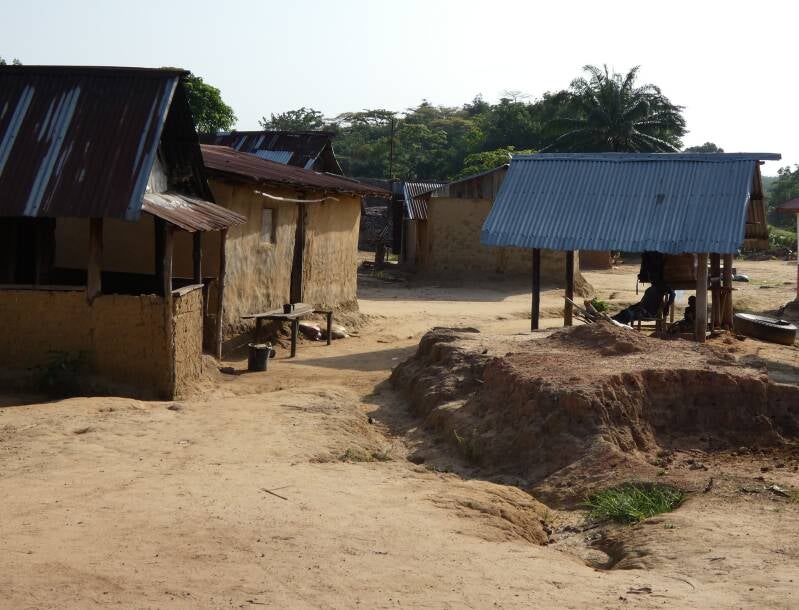
Village life
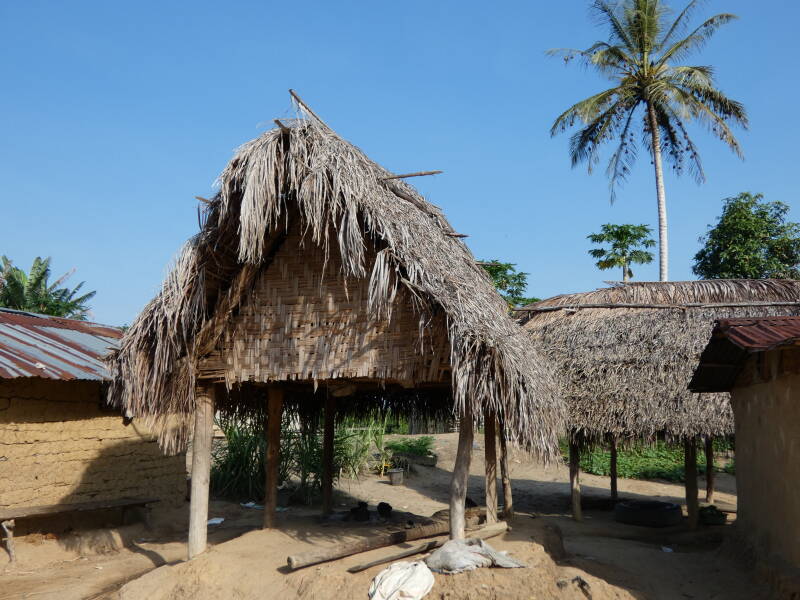
Village life
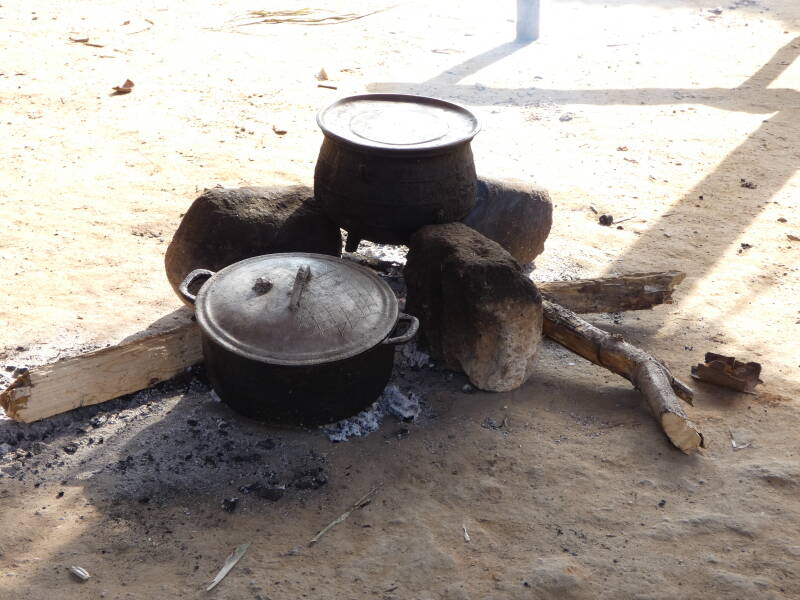
The kitchen
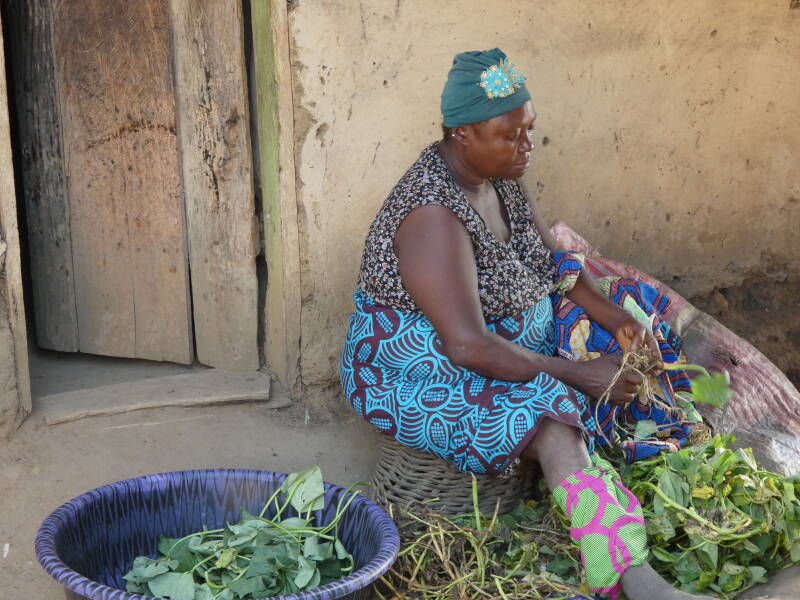
Village life
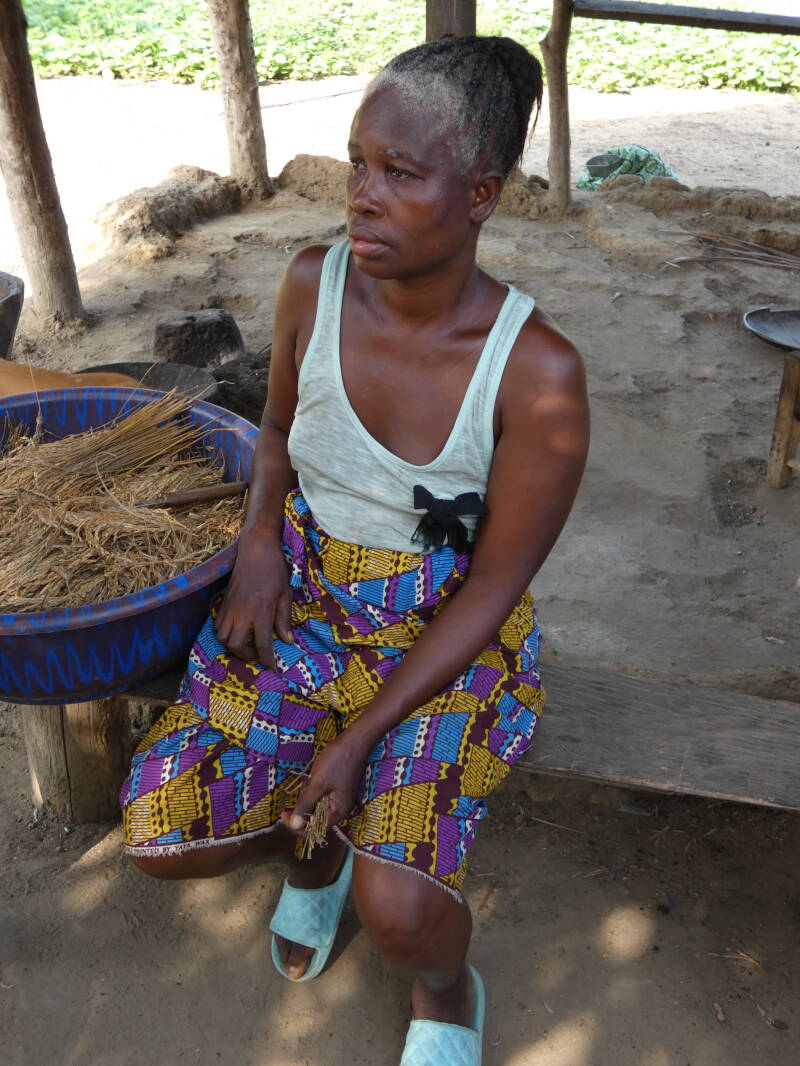
The village chief ready to prepare some rice
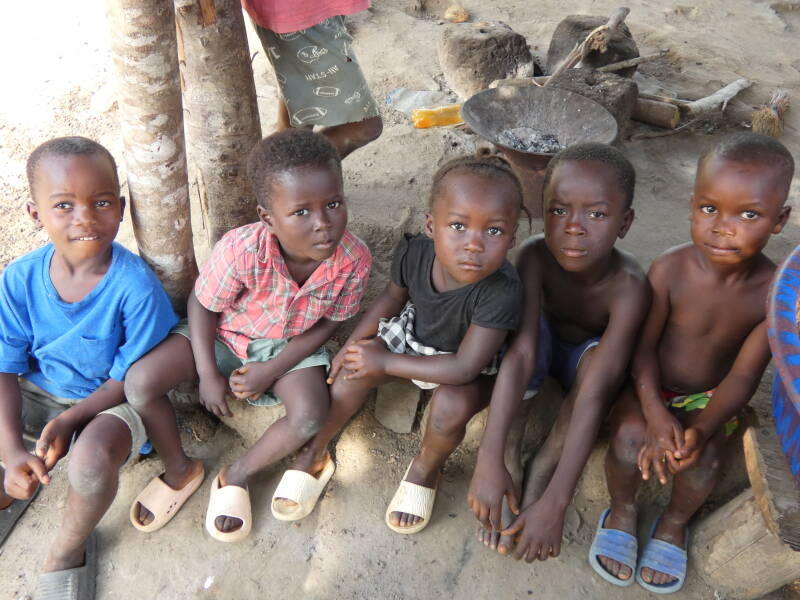
Village kids
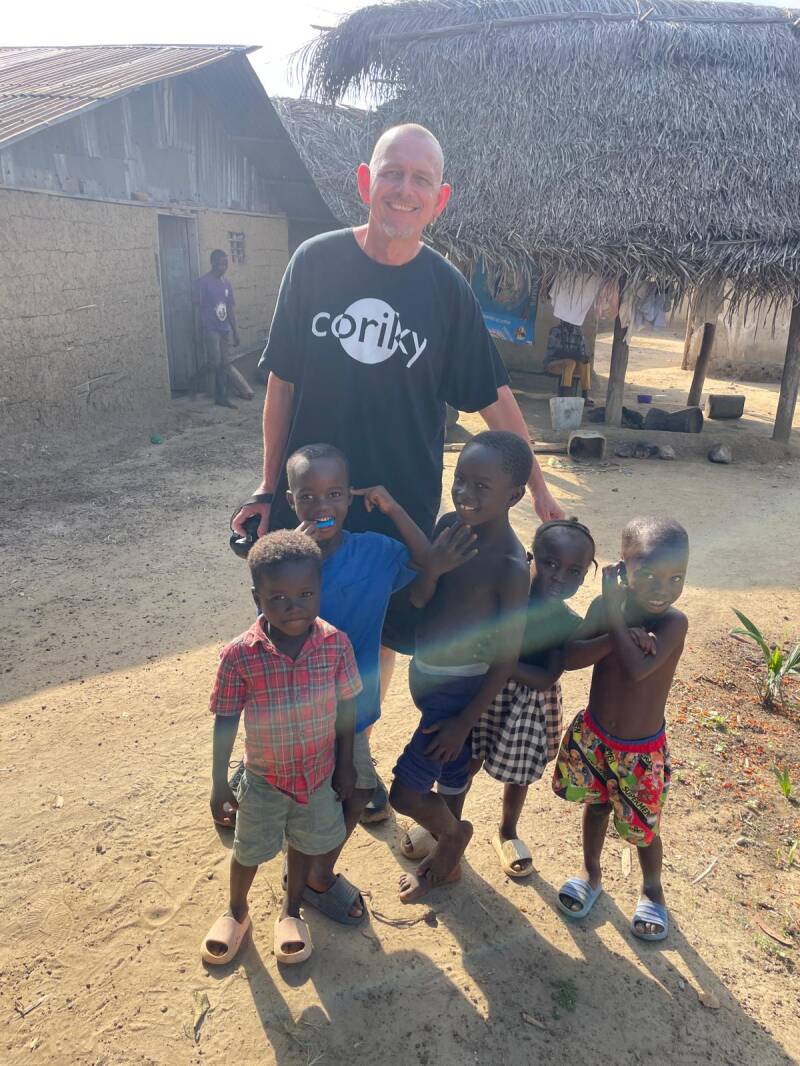
Village kids with some strange white person
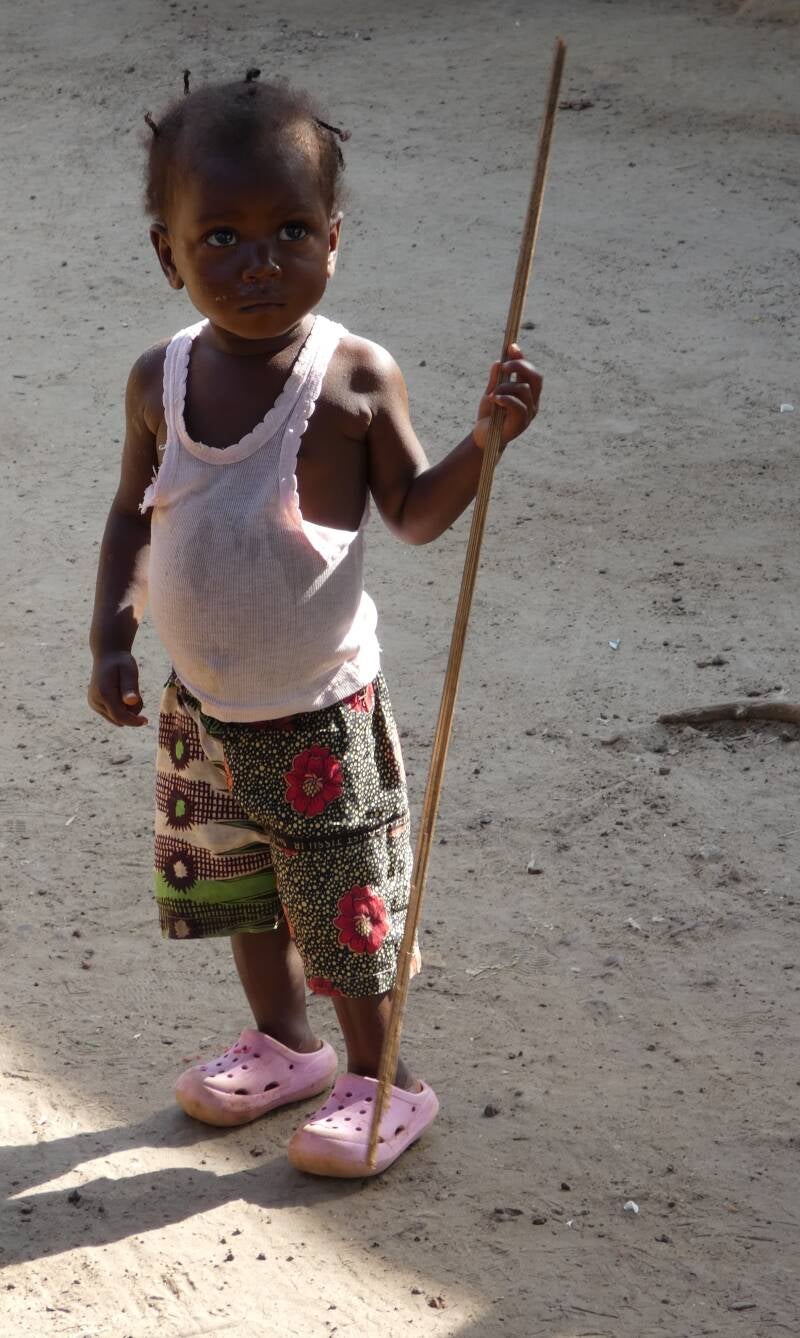
Future warrior material
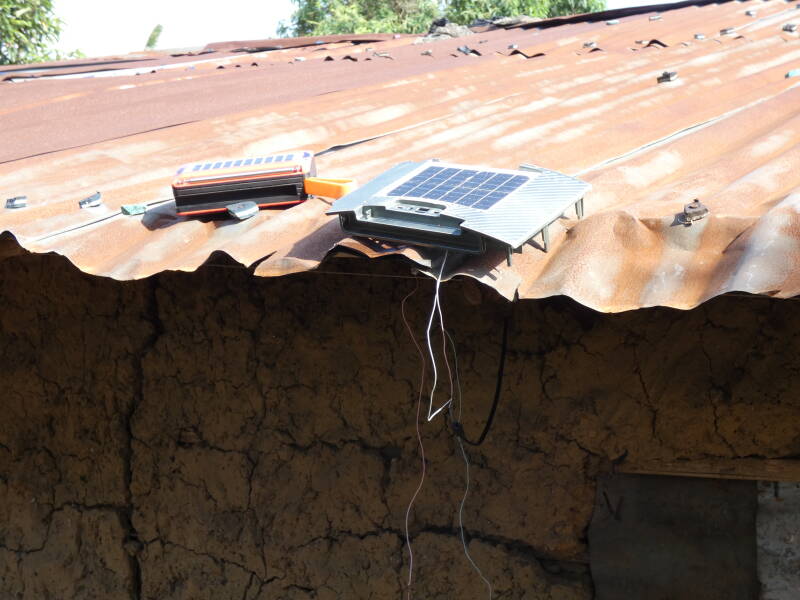
Tiny solar panel provides power for radio, torch, mobile phone charging etc
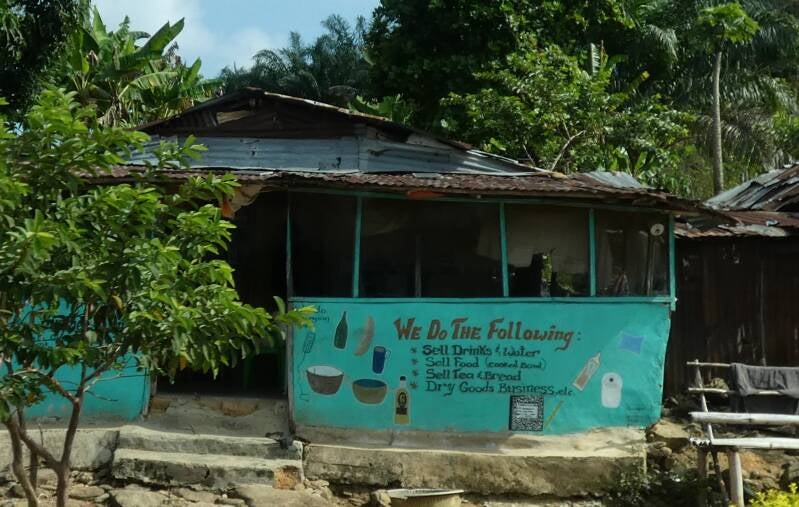
On the road
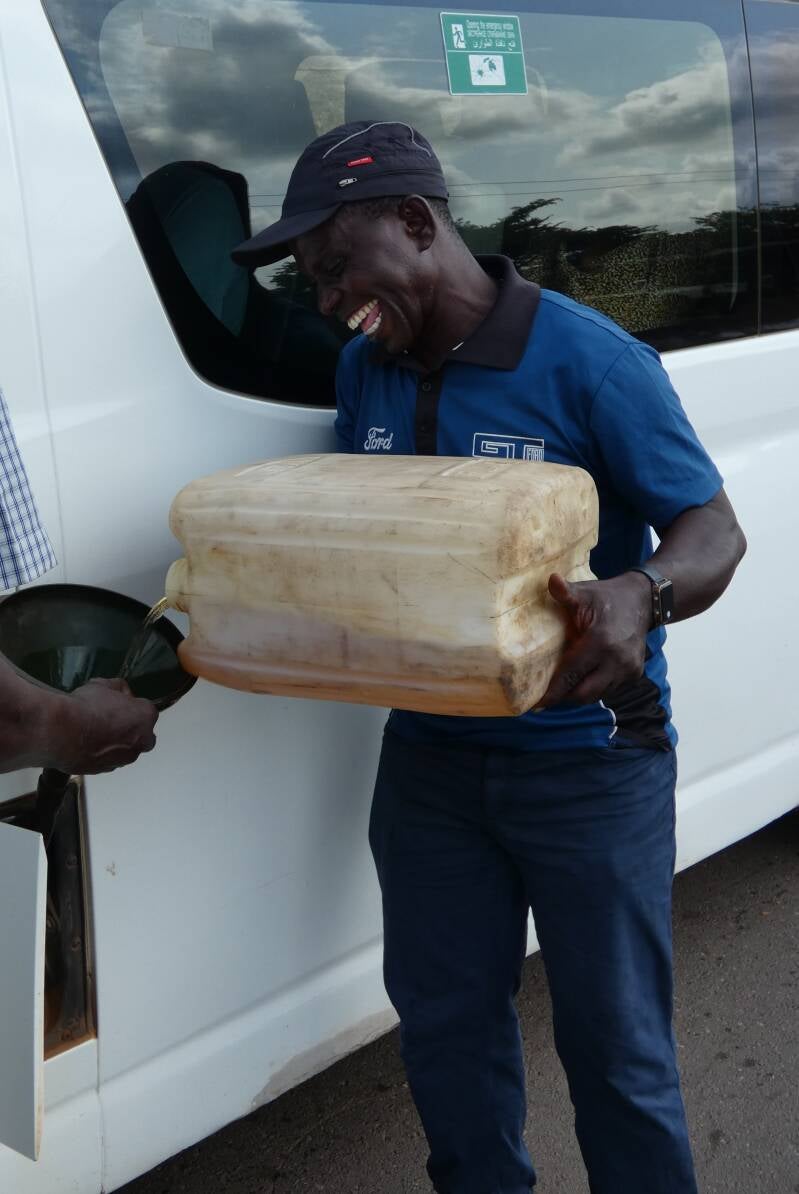
Fuel crisis, what fuel crisis
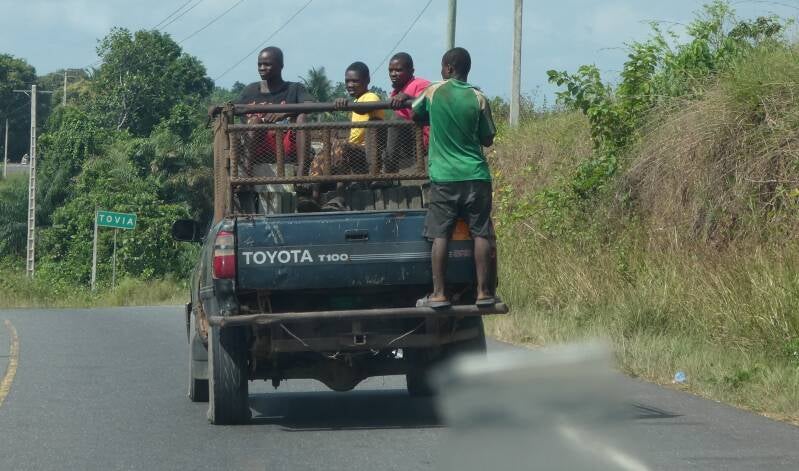
On the road
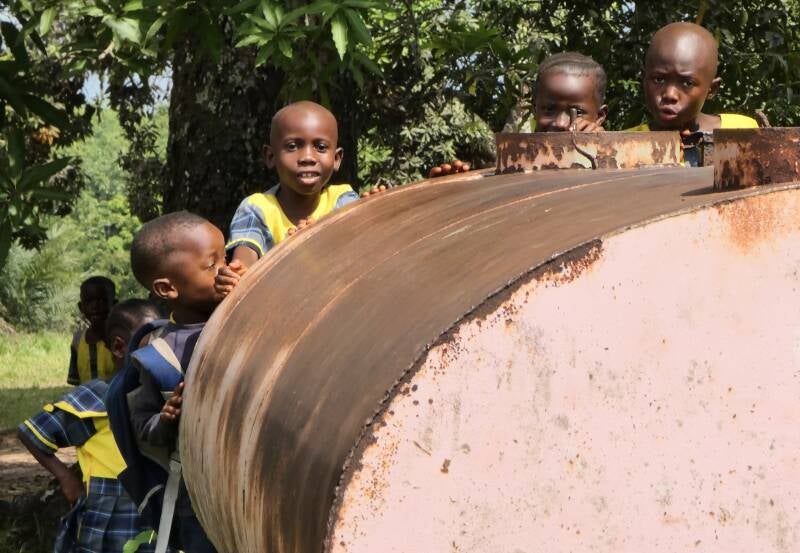
School kids on the road
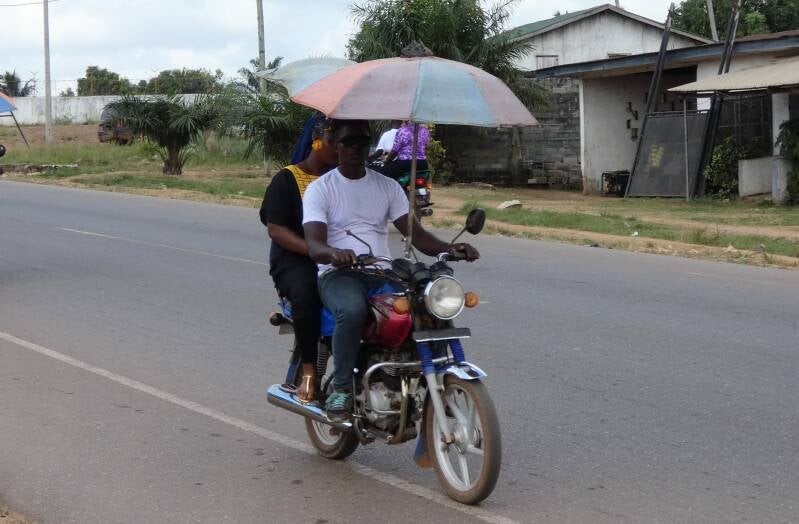
On the road
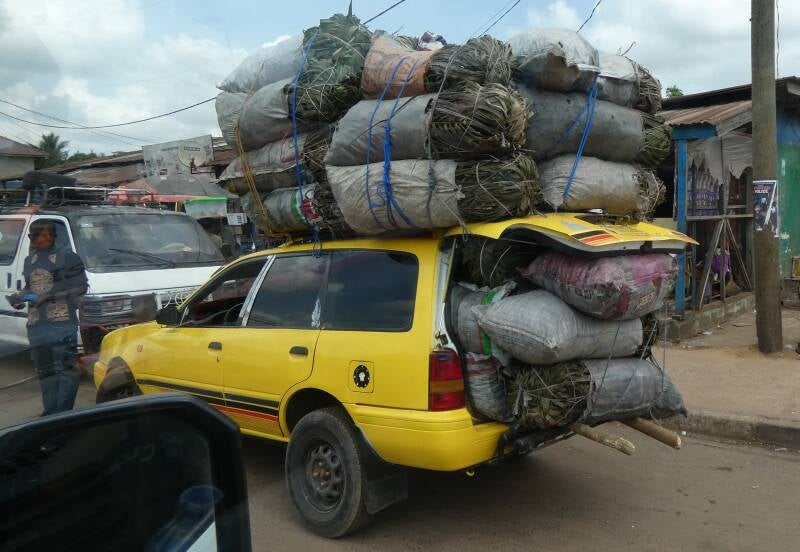
On the road
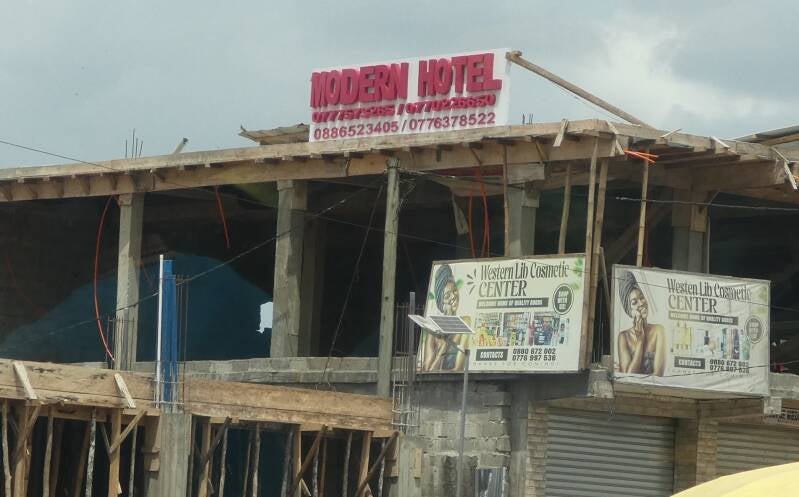
On the road
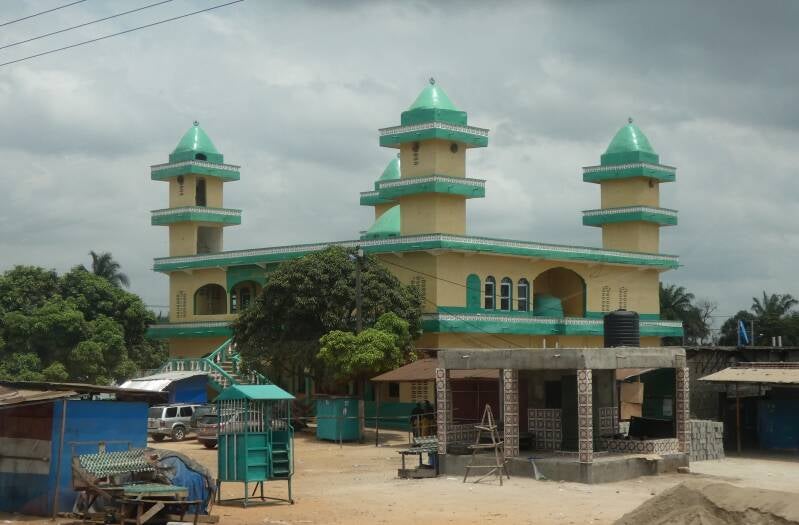
Monravia mosque
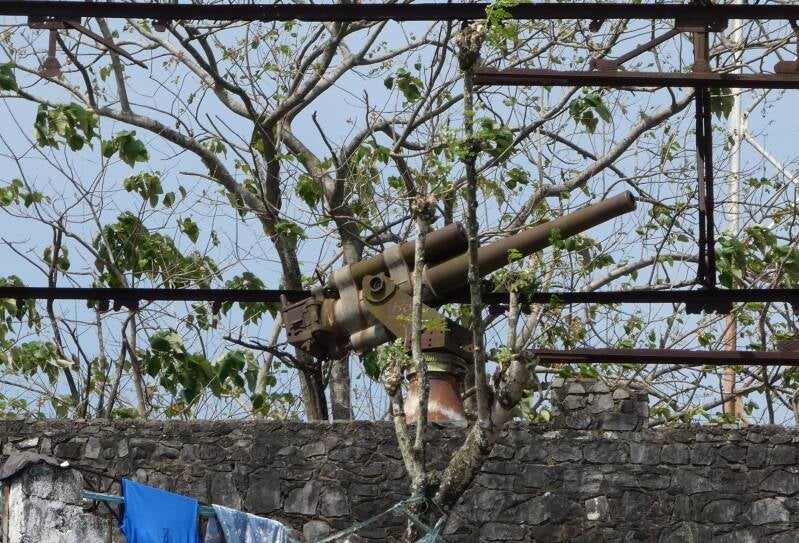
Old weapon from the civil war
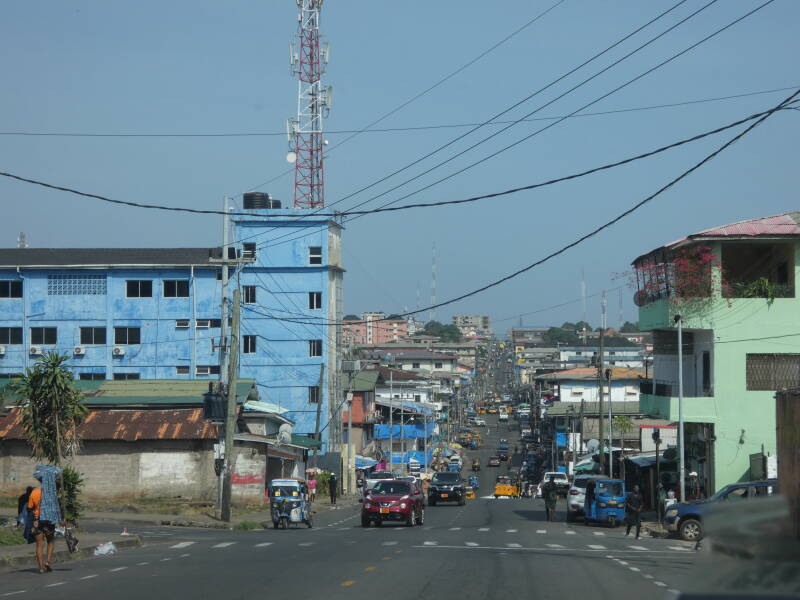
Monravia
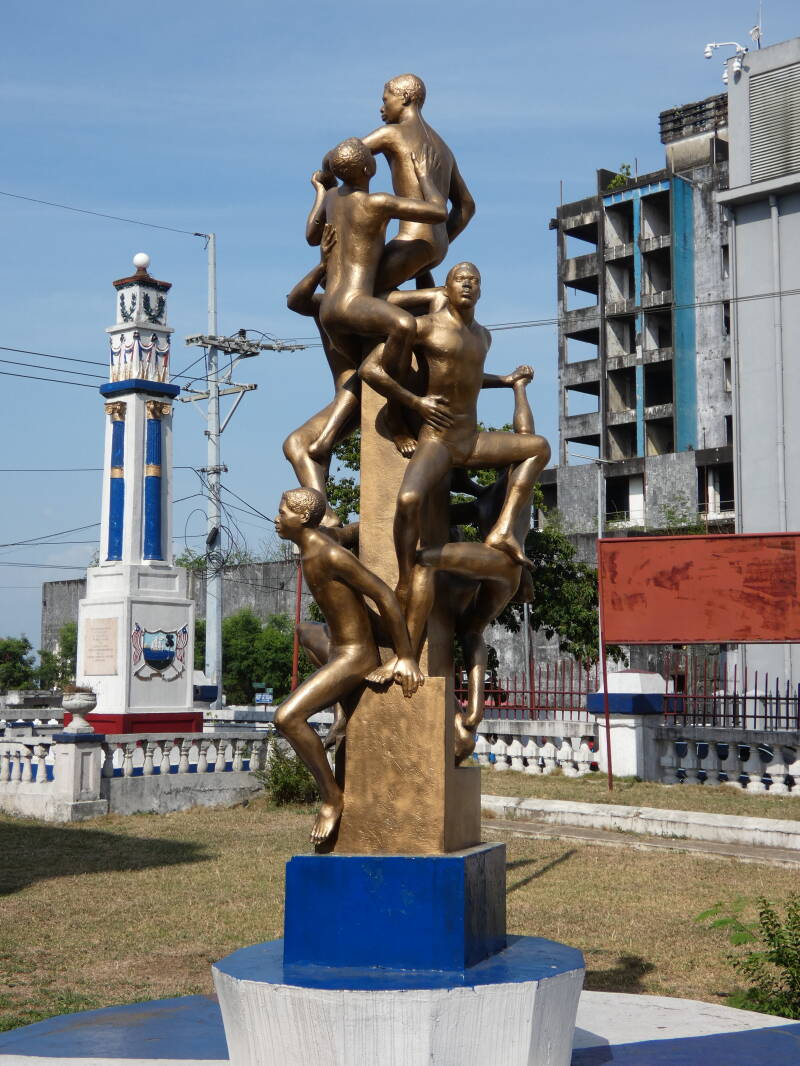
Statue celebrating the end of civil war
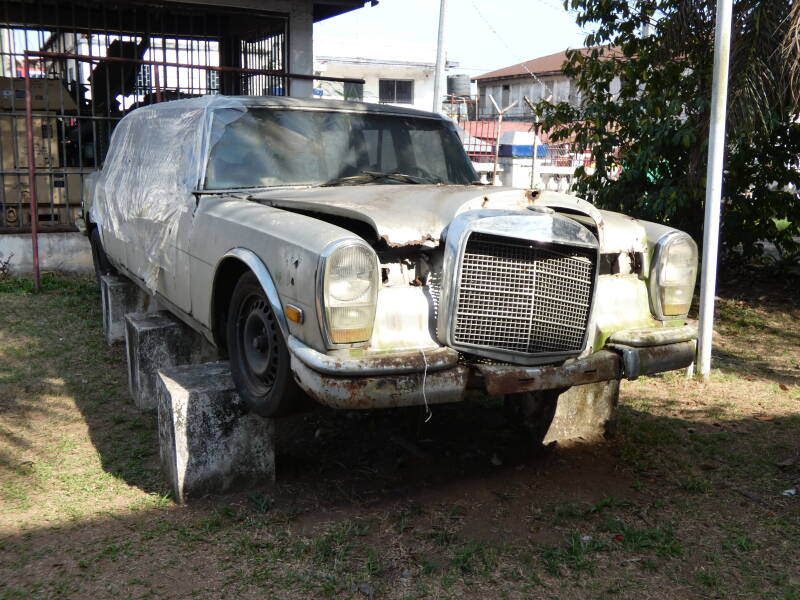
An ex presidents car
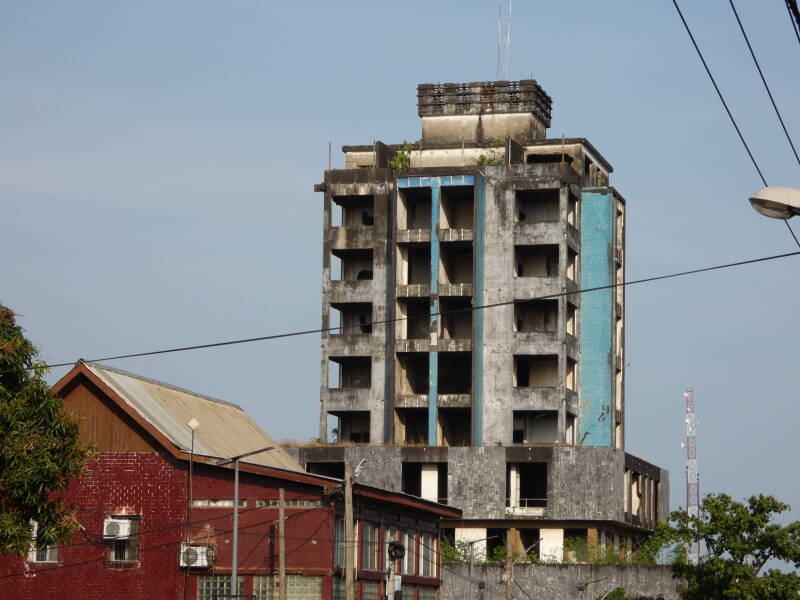
War ravaged building, behind the first presidential palace
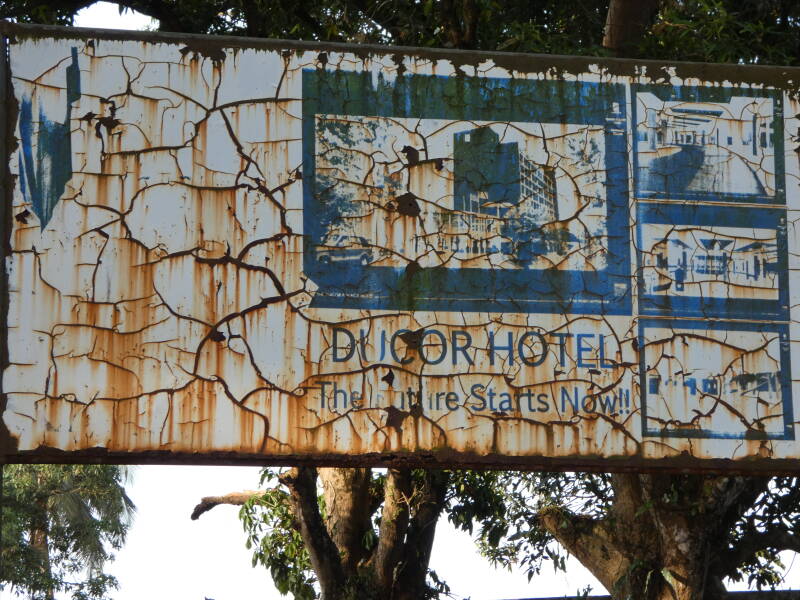
Ducor Hotel
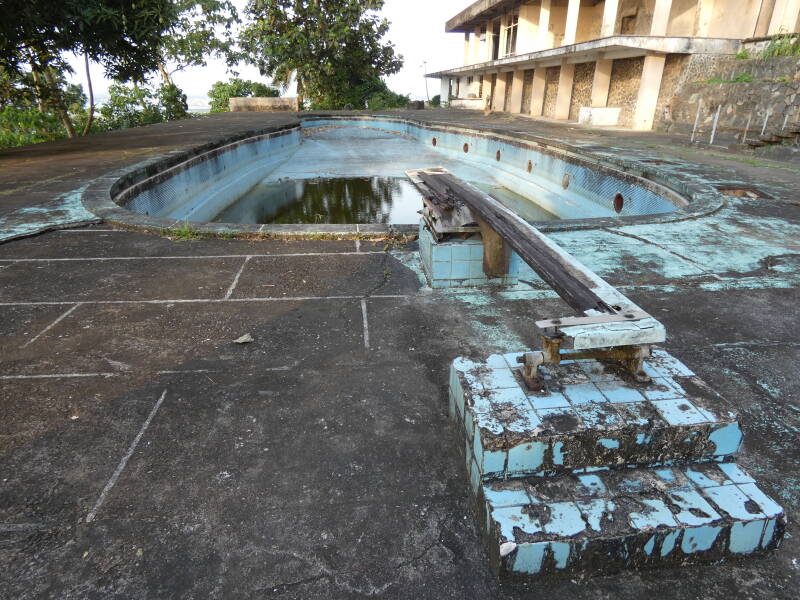
Ducor Hotel
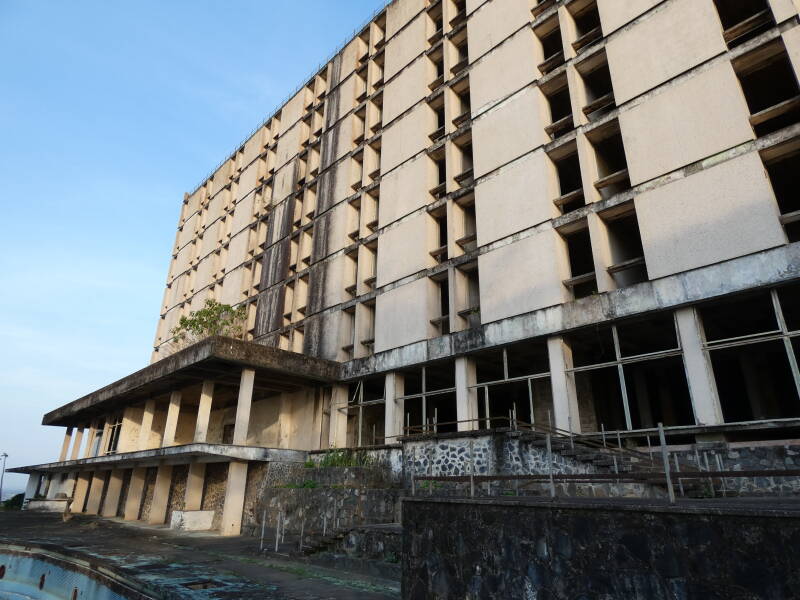
Ducor Hotel
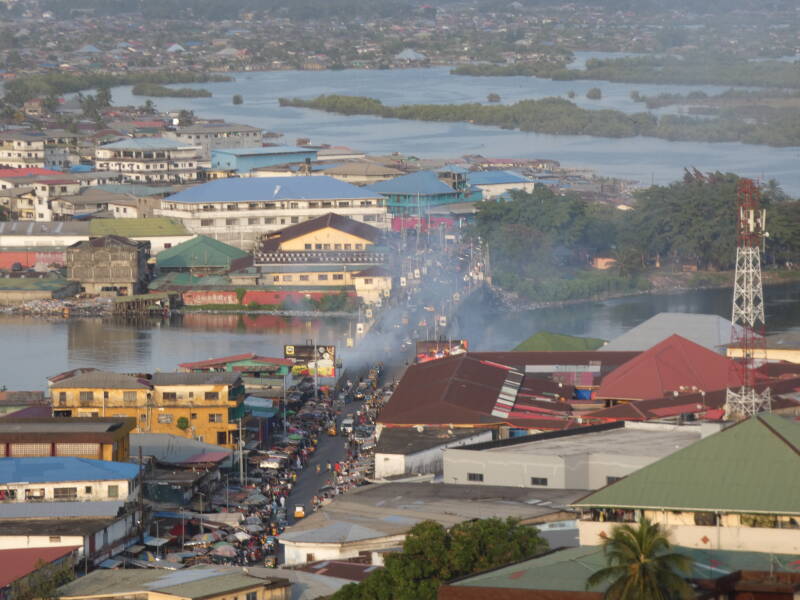
Monravia
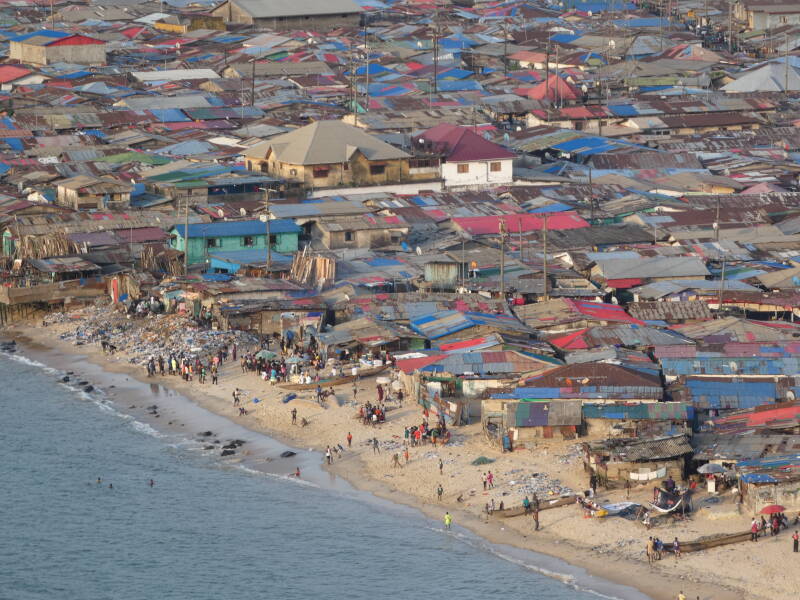
Monravia
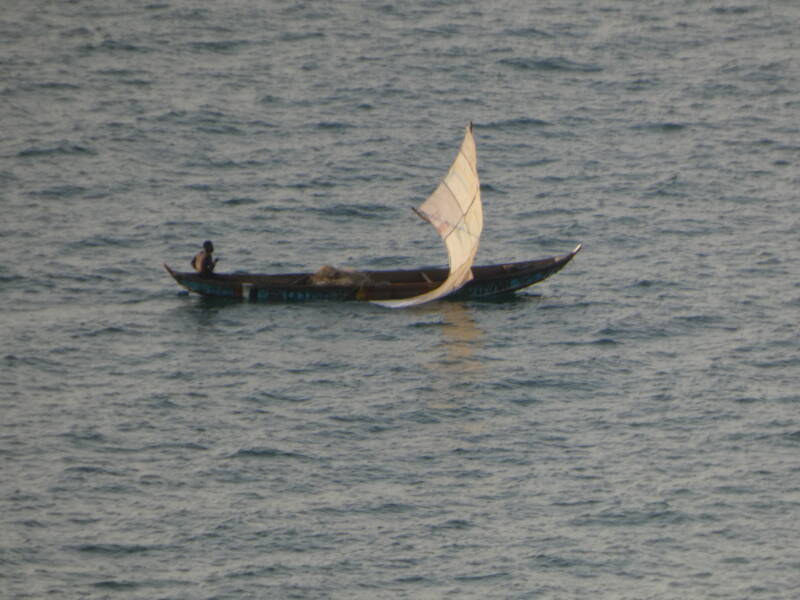
Boat off the coast of Monravia
Create Your Own Website With Webador