Day 22 - 24th March Return to the mainland and explore the capital Freetown

Photo above - poverty right in the centre of the capital, Freetown. Photos to follow below
Boat back to the mainland
At 8.30am we set off by boat for the 30 minute journey across the Atlantic and back to the fishing village of Kent on the mainland. The crossing was a bit calmer than yesterday. We are heading a short way north to the nation’s coastal capital Freetown.
Freetown
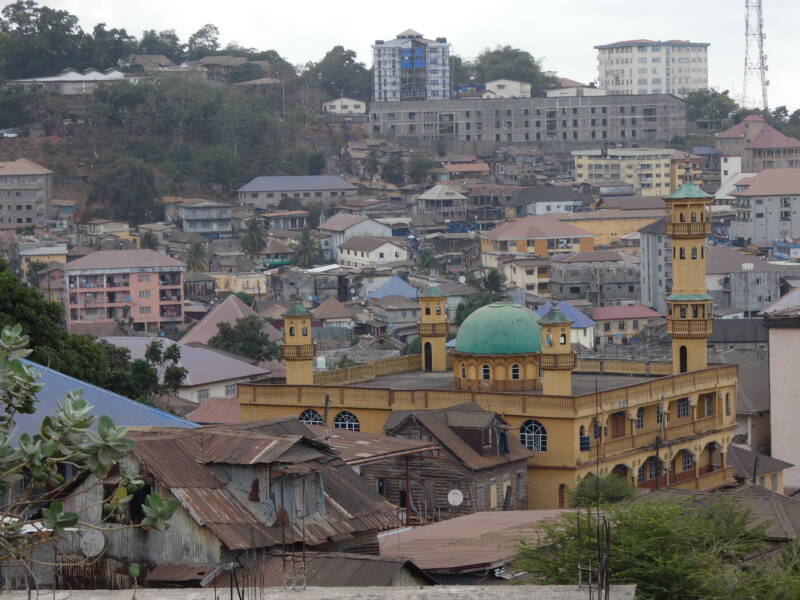
Sierra Leone’s capital (population 1.3 million) is a major port city, set between hills and ocean, a chaotic jumble of buildings and streets. Freetown’s name derives from its original raison d’etre – in the late 18th century the abolitionist movement launched a programme to send freed African slaves back to the continent, settling on this part of West Africa as a likely spot. The last twenty years or so have not been kind to the city – it was utterly devastated during the vicious civil war which raged through the country, with many gutted and half destroyed buildings to be found, but like the rest of Sierra Leone it is now moving on and increased development bears witness to a growing confidence in the city.
Poverty and improvements
We took a minor road running parallel to the coast and along the foot of the hills. It does look particularly poor here, but at one point we passed a small modern housing estate, which was a self styled ‘micro city’ with large security gates and perimeter fences. A gated community by any other name.
We went over several small rivers where people were doing their washing. Further along the road became wider, and as we neared the city centre, we could see a lot of building work going on. House and road improvements, as well as new buildings. We went down a dirt road to a famous beach with extremely white sand, which may or may not be where a 70s Bounty advert was filmed.
We then pressed on to our hotel in the city to have some lunch. The city is frantic, with lots of people, tuk tuks and motorbikes on the roads
Exploring Freetown
After lunch we went out to explore a bit. It was not obvious when we first drove in, but the city is built on and around a huge hill. There are some very steep roads, and the housing has crept up the hillsides until there is no forest left. It reminds me of some south American countries in the Andes.
We passed the largest Prison in Sierra Leone, which houses the most dangerous criminals. It is right in the centre of the city, and looks very grim. The road goes right along the outside wall, but there are barriers that can be put down to close the road, and there are armed army personnel everywhere. The police do not have guns here.
We visited the National museum which houses some cultural artefacts from the country‘s past. The building was originally built as a railway station during British colonial times.
Slave trade
We then walked around the streets in the immediate area and saw the cotton tree considered to be the centre of the city, although it burnt down a few years ago, and is now little more than a stump. Next was a house that was important in the slave trade here, which I believe was used for administration at the time. We also saw a street sloping down to the sea, which was where slaves were led down to awaiting ships, and is now where a ferry leaves from.
Further along we saw a large ship anchored just off shore. This is moored there permanently, and has a huge electrical generator on board which provides power for the city! After a quick wander around an indoor market, we hopped in a tuk tuk to return to the hotel.
Tomorrow, we visit a Chimpanzee sanctuary, then continue north to cross the border into Guinea.
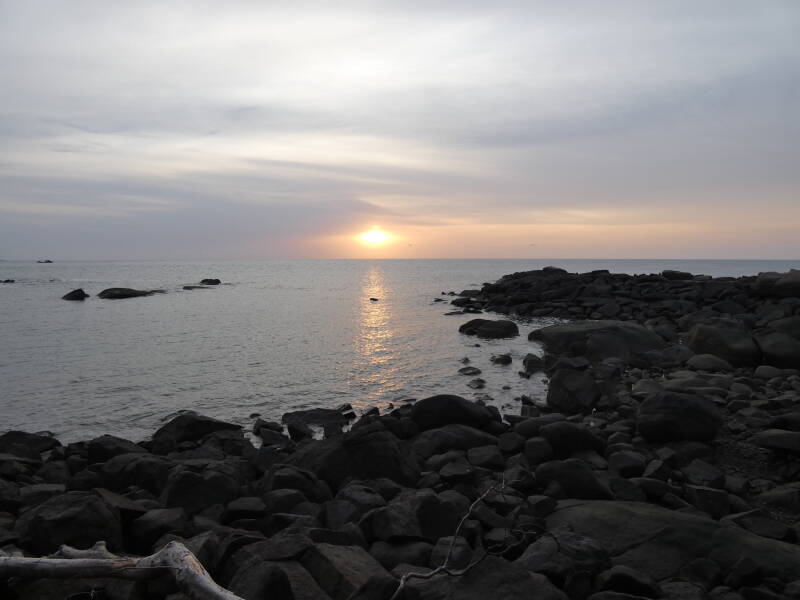
Banana Island sunrise
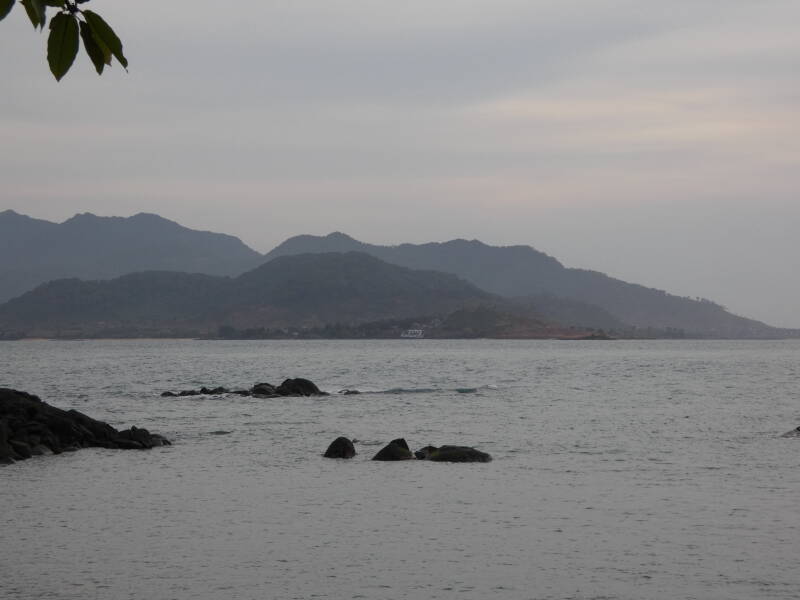
Banana Island early morning

Banana Island shipwreck
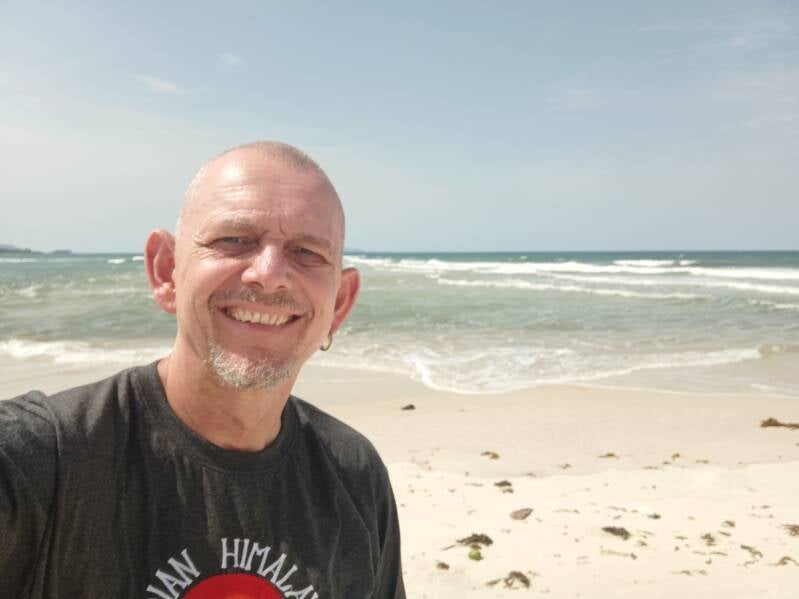
White Sandy beach near Freetown
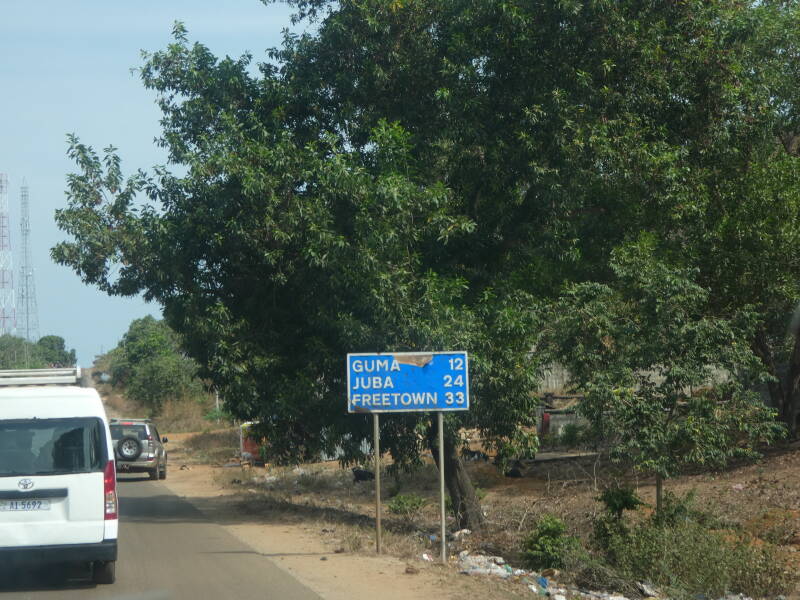
On the road
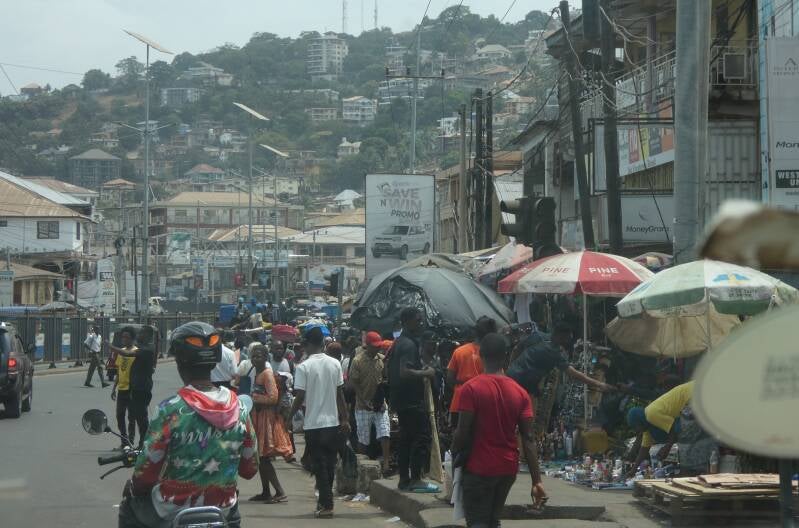
Freetown
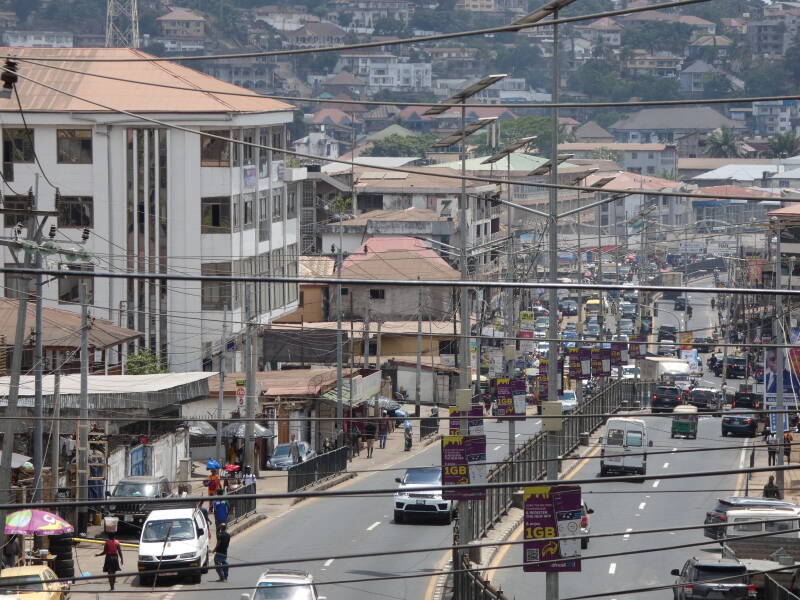
Freetown
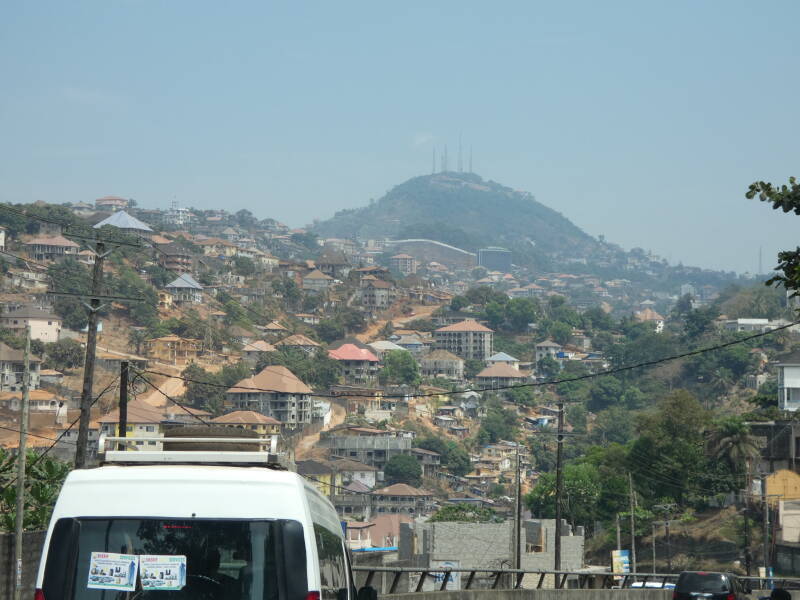
Freetown
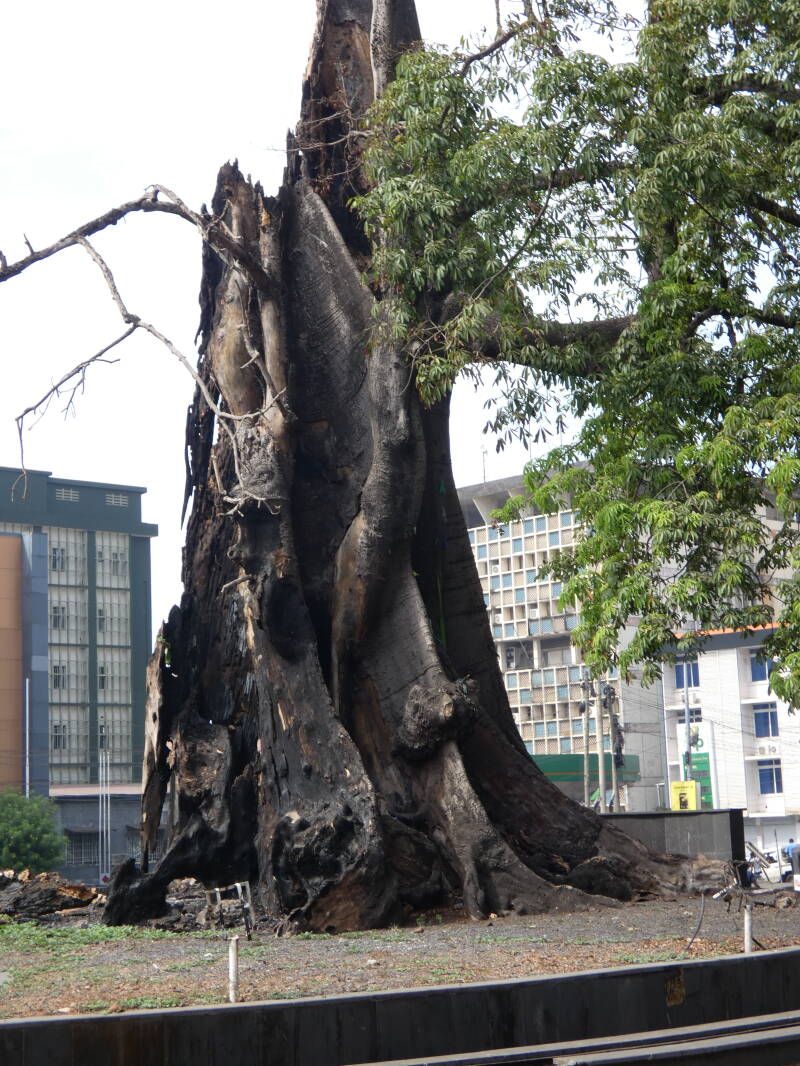
Cotton tree, Freetown
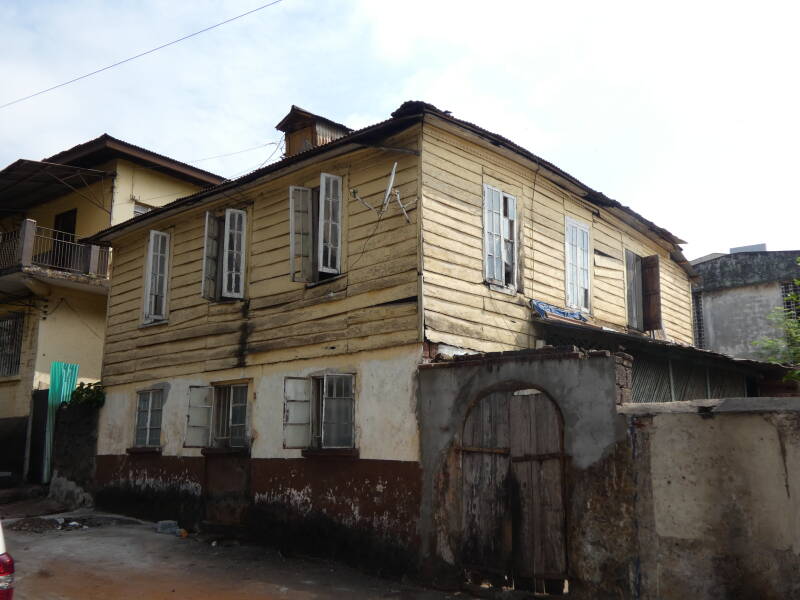
Freetown slave house
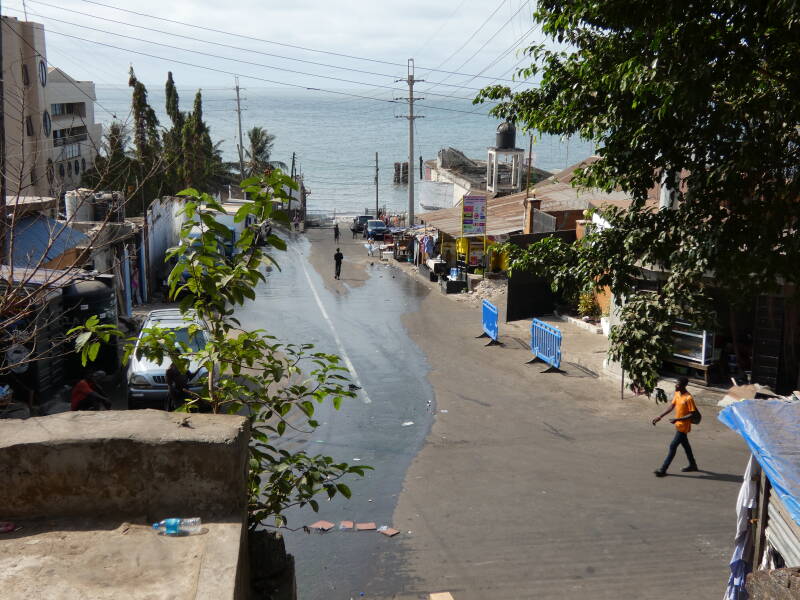
Slave road Freetown
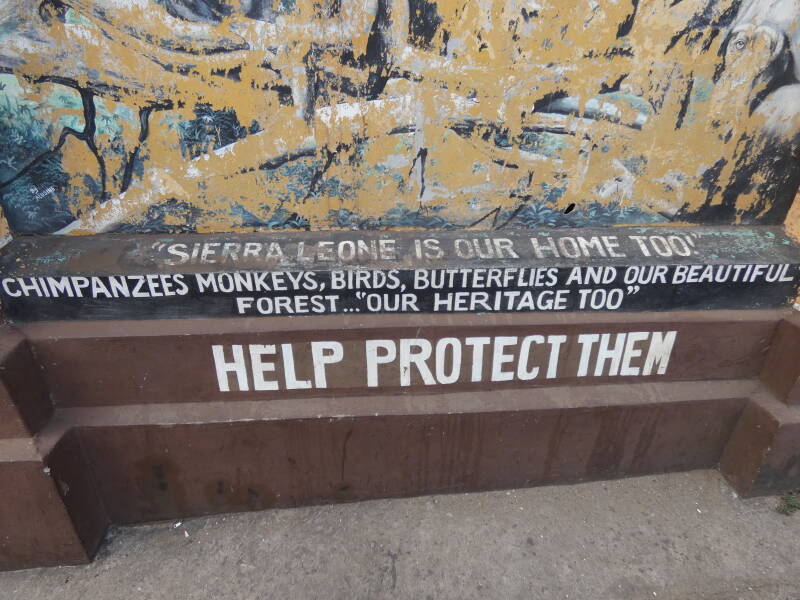
Freetown
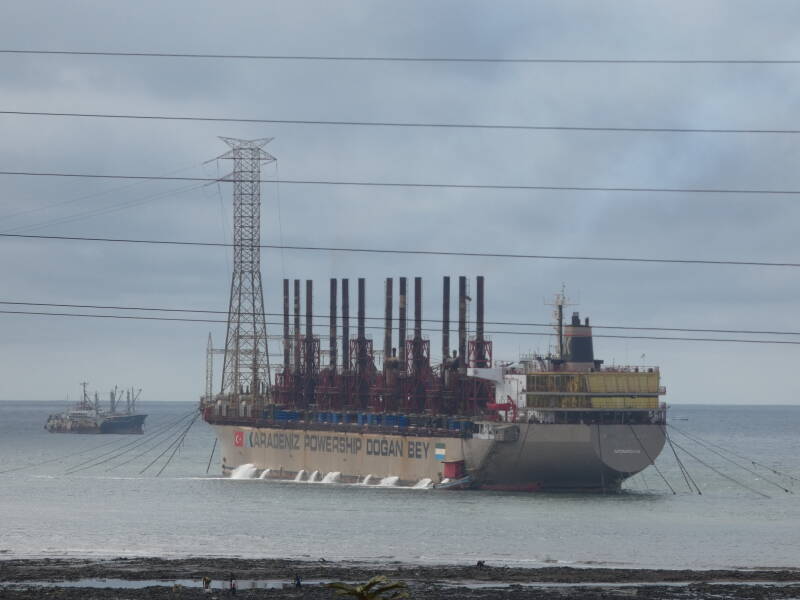
Freetown electricity supply
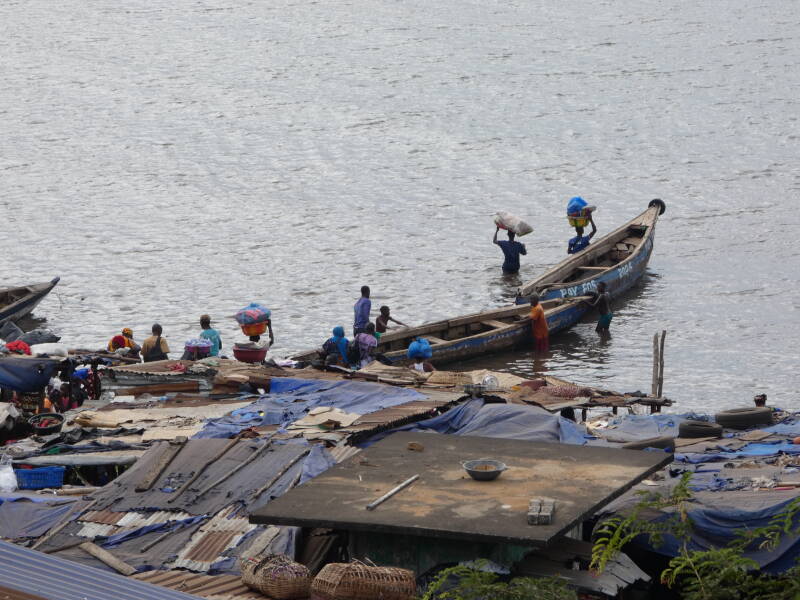
Poverty in the capital
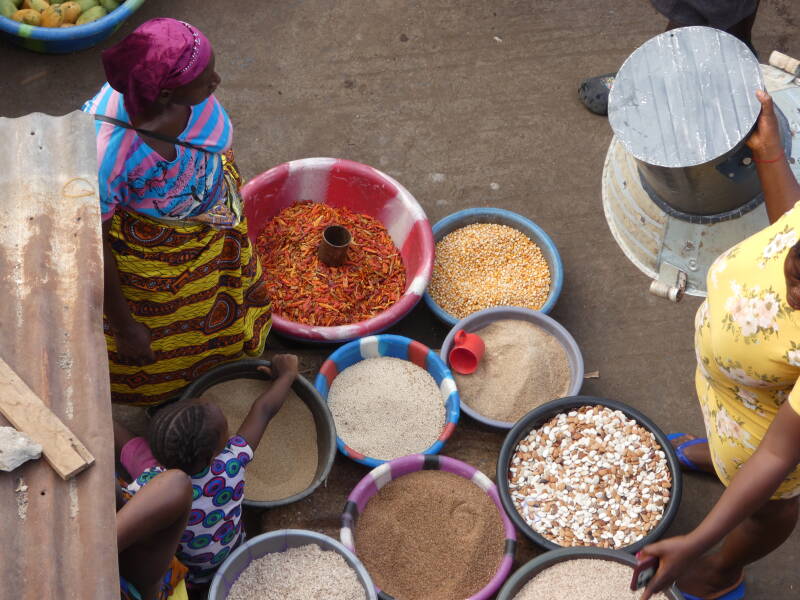
Market Freetown
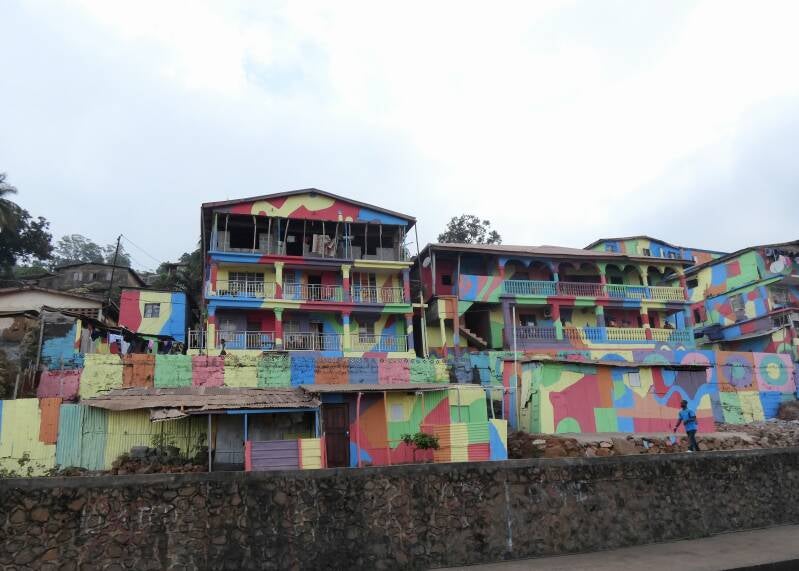
Freetown
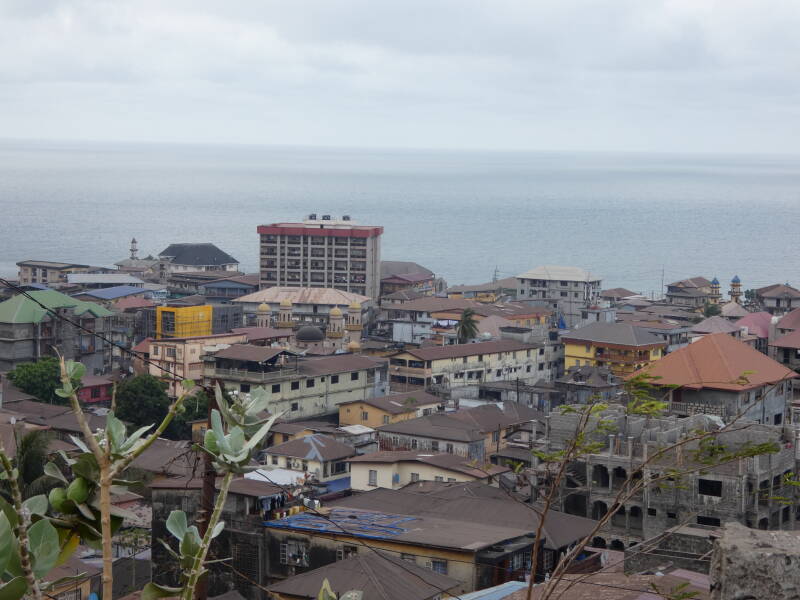
Freetown
Freetown
Freetown
Freetown kids
Create Your Own Website With Webador