Day 4 6th March - A visit to a stilt island, then the road trip begins

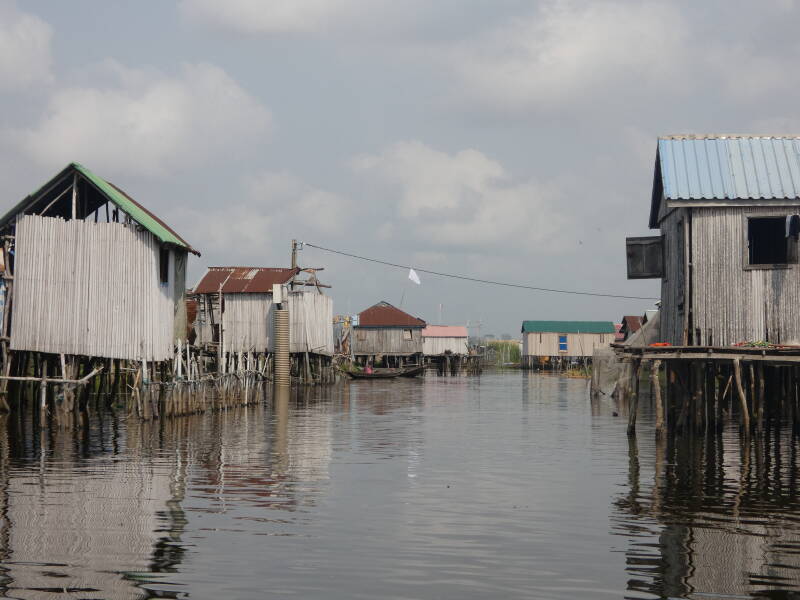
Photo above - Ganvie Stilt Village near Cotonou. More photos below
Heading out of the city to a stilt village
After breakfast, we set off in our minivan, to finally start the road trip. We started by driving for approximately an hour north out of the city. We are heading to Lake Nokoue just north of Cotonou, to visit Ganvie, the largest stilt village in Africa. Lake Nokoue is 20km long and 11km wide and Ganvie lies in the centre of the lake, a settlement of 25,000 people isolated from the land and only accessible by boat. The Tofinou people fled here in the 18th century to escape the more powerful Dahomeyans on the lookout for slaves, or people to sacrifice for voodoo. Generations have stayed on despite government offers to house them on land.
The road out to Lake Nokoue was busy, with trucks, some cars, some tuk tuks, and thousands of motorbikes. In some places they have their own lane which eases congestion on the main bit of road. There are constant roadworks and construction sites as development in Benin continues at pace. The current president is generally considered to be good for the country, as he implements lots of projects to improve people's lives. Lots of jobs are available in construction for local people, although the labour force is supplemented by Chinese labour. Plenty of activity at the side of the road as everyone buys, sells, repairs, manufactures etc
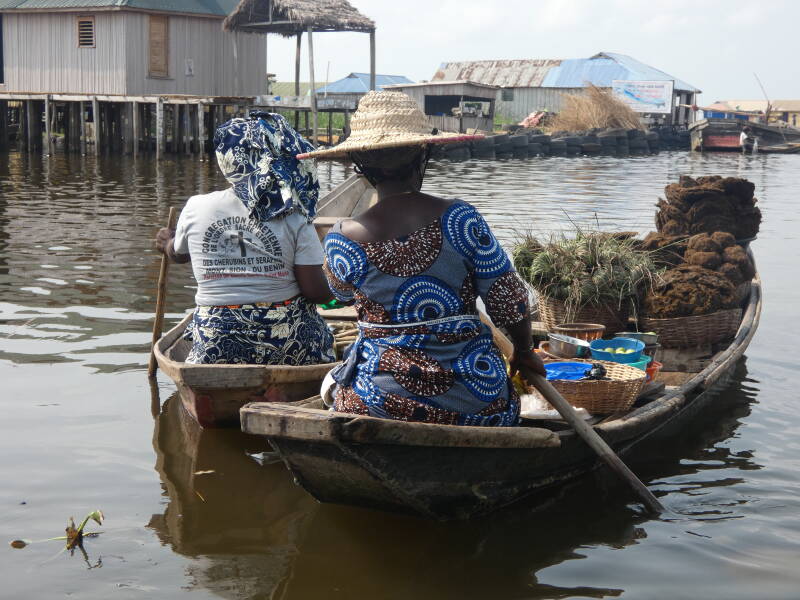
Commerce and life on the water
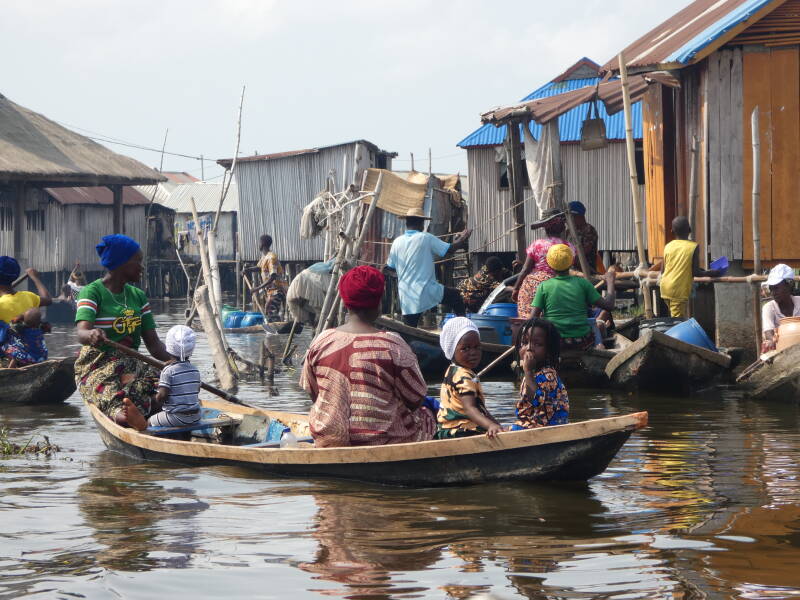
We were still within the suburbs of Cotonou when we turned off on to a side road to go down to the edge of the lake. Here we were met by a bustle of activity as locals from the floating village of Ganvie gathered to sell their fish and other goods to people and traders in the main town.
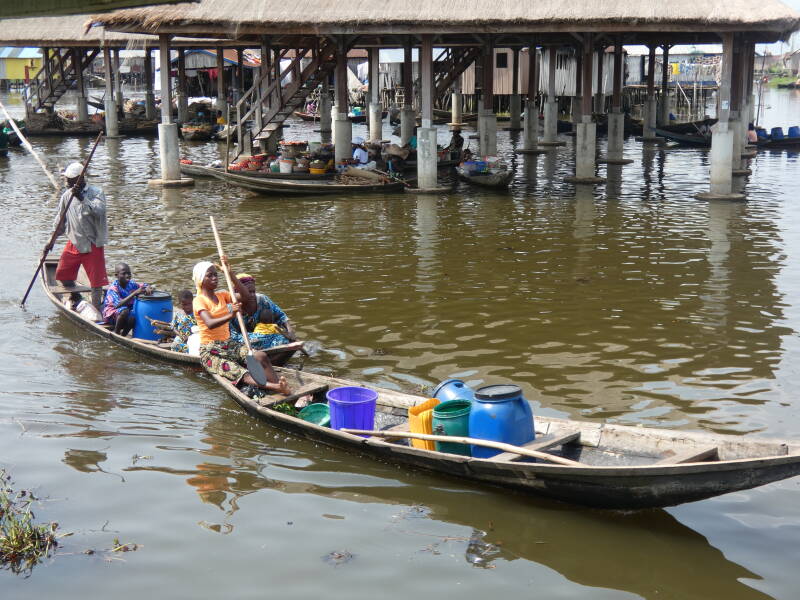
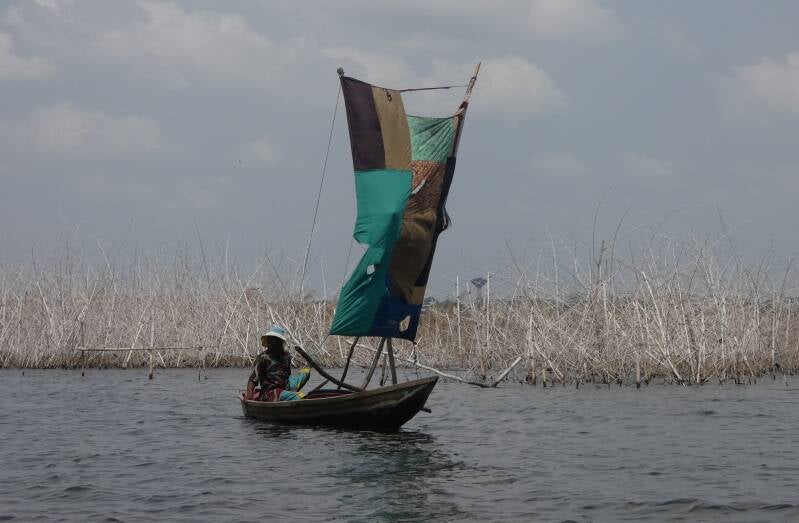
We got into a covered motoboat and started off on the 20 minute cruise to Ganvie out into the middle of the lake. On the way we saw a constant stream of canoes going in each direction. Some carrying their goods to town, others carrying businessmen one way or the other. We came across a fishing boat, and the fisherman demonstrated how he cast his net to catch the fish. We also came across a boisterous boat load of locals in traditional clothing, performing a ‘naming ceremony’, which basically consisted of violently fast rowing by some, and the beating of drums by others. At one point, the oarsmen got out of the boat and performed a sort of New Zealand haka with their oars, in the water
A very different life
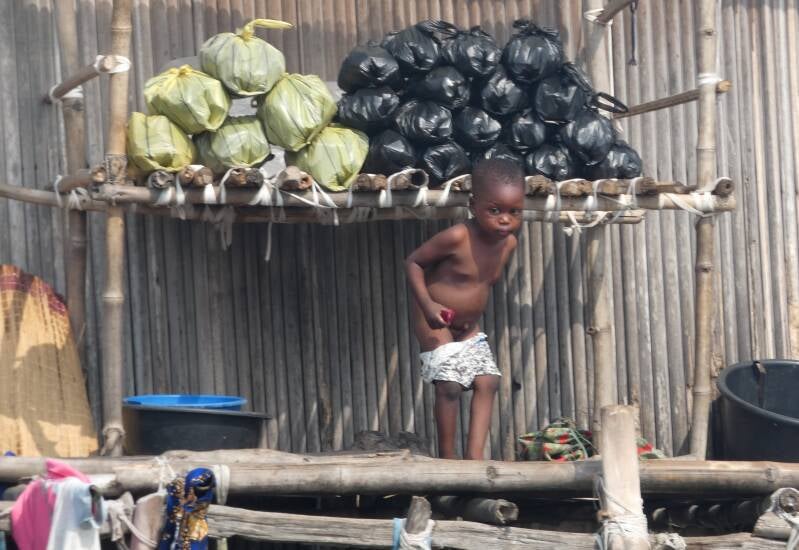
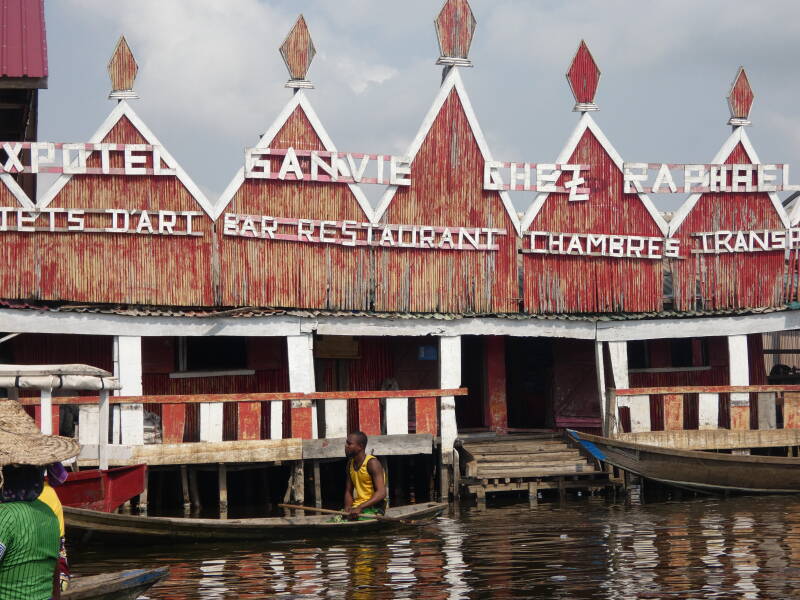
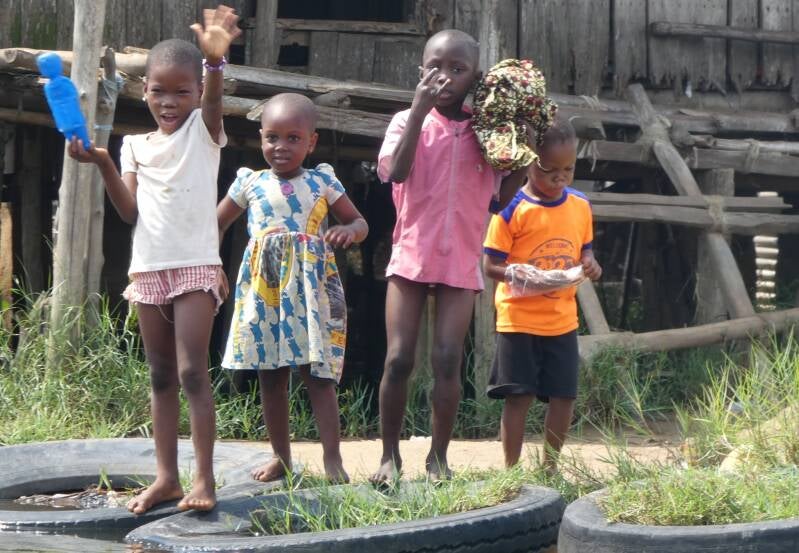
We arrived at the sedate village shortly after. As suggested, all the buildings are built of wood and on stilts, most having corrugated steel roofs. Most have no power or lighting. Families live here generation to generation. There is a school, a church, a cemetery, a shop, a hotel etc. lots of people were in their canoes selling goods, and we saw some people weaving, so it is not just about the fish. I even saw someone who had several pigs. We stopped for 15 minutes at a bar to have a mid morning drink. It was great to see all the life play out in the village, especially as quite often you could see glimpses of inside the houses. And everyone dressed so colourfully, so it was all quite a spectacle.
Tribute to the women
We returned by boat to the mainland and picked up our minivan to drive back into the outskirts of the city to get some lunch in a local cafe. After lunch we headed to see a huge bronze monument to powerful women of Benin, which is about 150ft tall. It is situated in a large open square, opposite the presidential palace. Behind the statue there was some kind of arena set up. When we enquired, we were told it was a festival primarily for school girls and women, celebrating female actions and achievements. Naturally we gate crashed to see what was going on. There were lots of school girls milling around, some of whom insisted they had photos taken with us. There were also some food stalls, and we took the opportunity to try some local undistilled millet beer, and local ‘wine’, both served in half coconut type recepticles, and both with ice. Both had unusual tastes, but were not unpleasant!
Journey west along the coast
Finally, we were back in the minivan for the 25 mile drive west along the Atlantic coast road, from Cotonou to just outside the next major town Ouidah. It has a population of about 100,000 and is a port town with strong links to the slave trade. The road was mostly a newly constructed dual carriageway, however in places construction was still being completed. On our left side were miles and miles of glorious sandy beaches. On the right was lucsious green land with palm trees and the occasional lake. Dotted here and there were small villages of wooden huts where fishermen reside. The seas are rough along this coast, and the red flag is usually flying to advise against swimming. We arrived late afternoon at our hotel on the beach.
A few Benin facts picked up today
There are 42 tribes and a similar number of languages in Benin.
18% of population worship voodoo
About 50 per cent of men cannot read or write
There was a Military coup last year in 2025. All the culprits were arrested and are now in jail
There are no passenger trains in Benin, but there is a line that takes freight
In the north of the country there are many primitive tribes. Some distinguish themselves with various patterns of scars on their faces. These are done to the children between the ages of one and ten
There is a tribe in the north that went permanently naked until they started to wear clothes just ten years ago
There is a national park in the north where you can see the big five wildlife, however people don't go there because rebels hide in the park
Tomorrow we explore the area around Ouidah, which is set to include snakes, voodoo and slave history.

Commerce on the lake
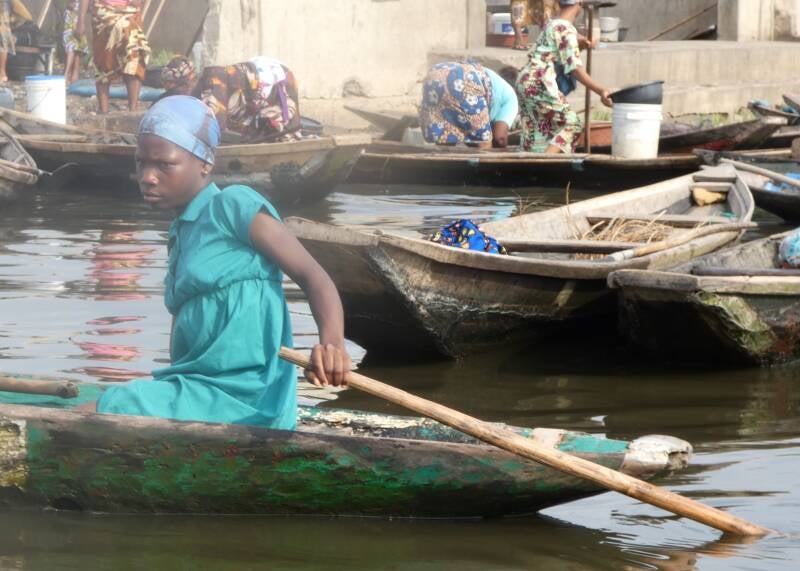
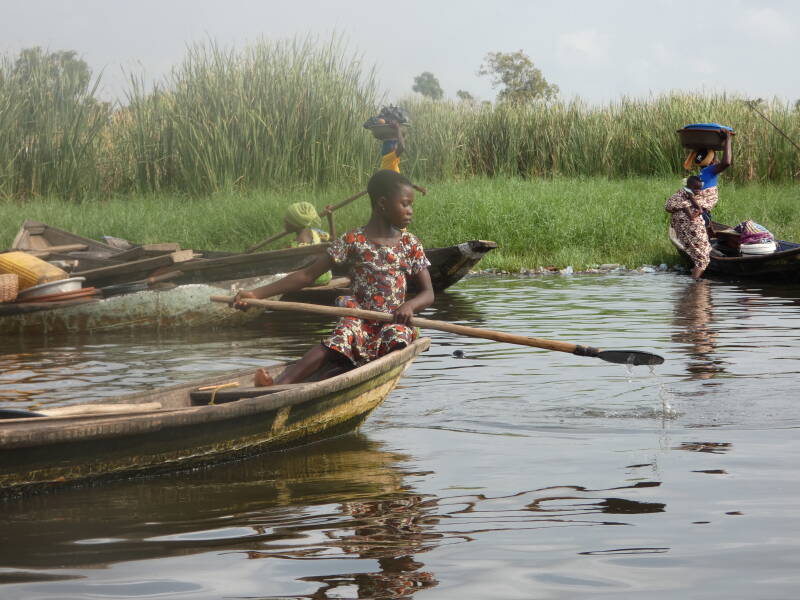
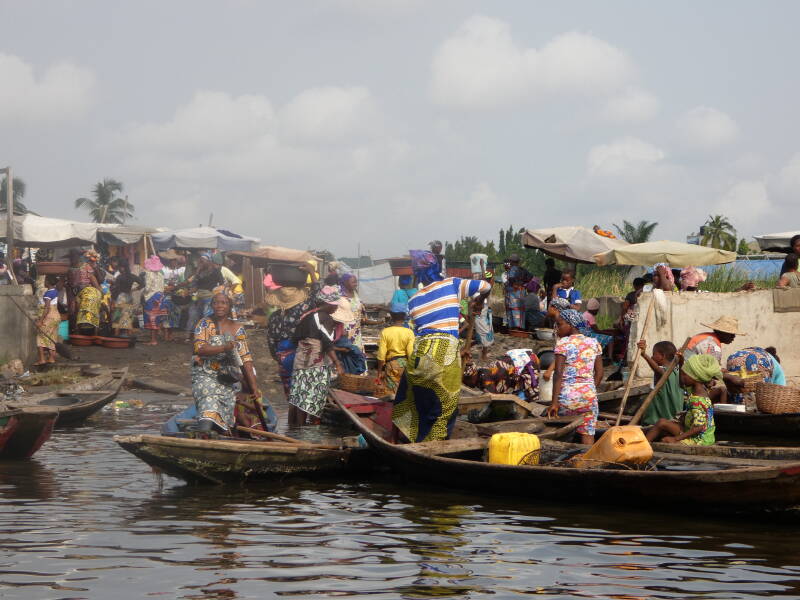
Commerce on the lake
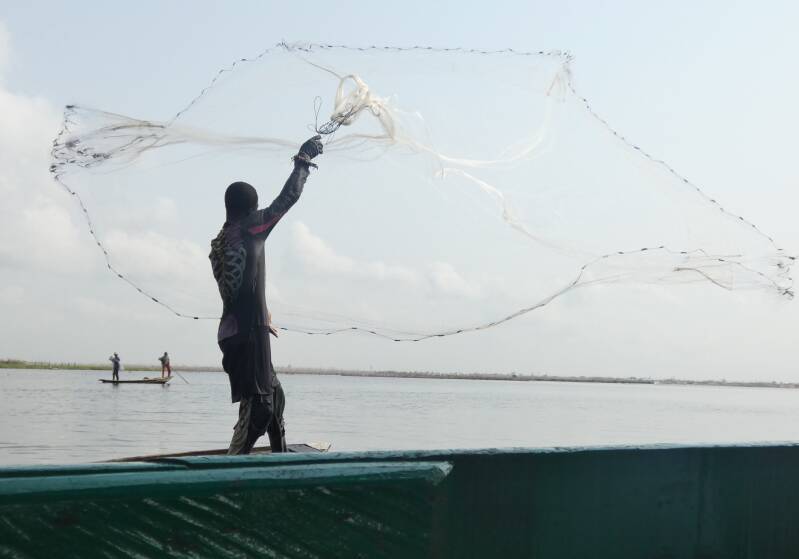
Casting the net
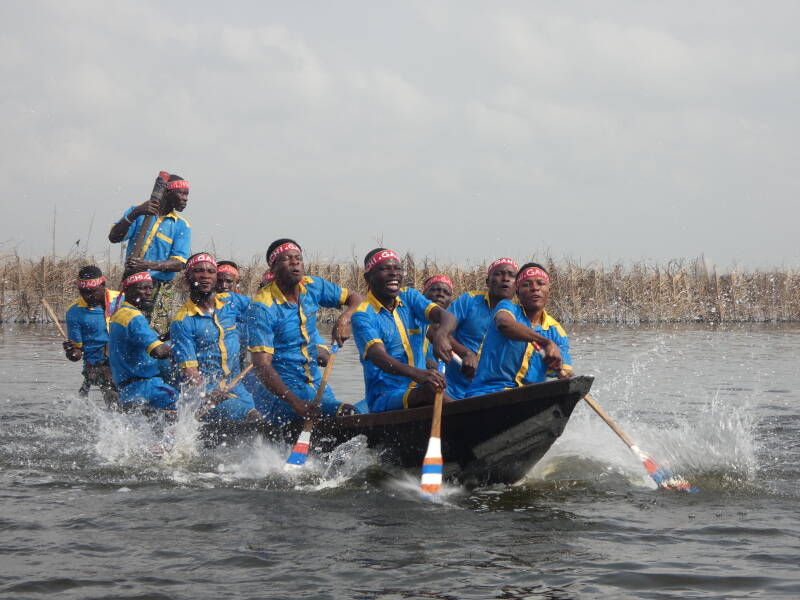
Naming ceremony
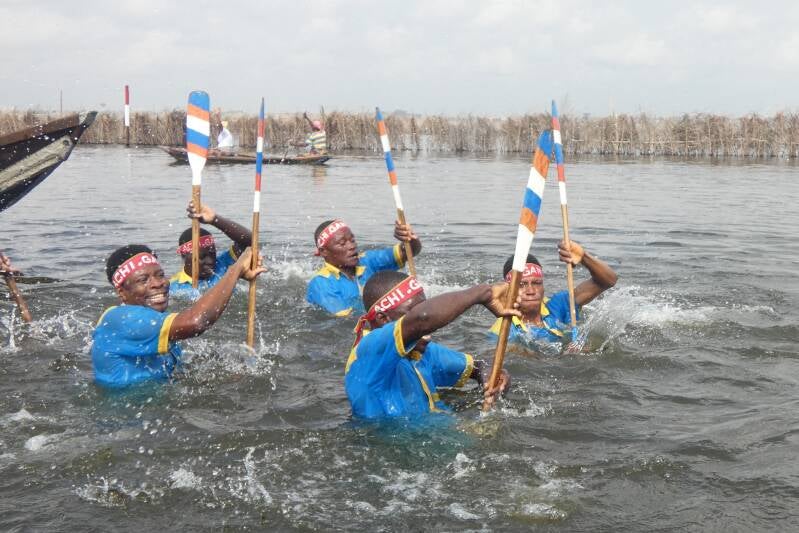
Naming ceremony
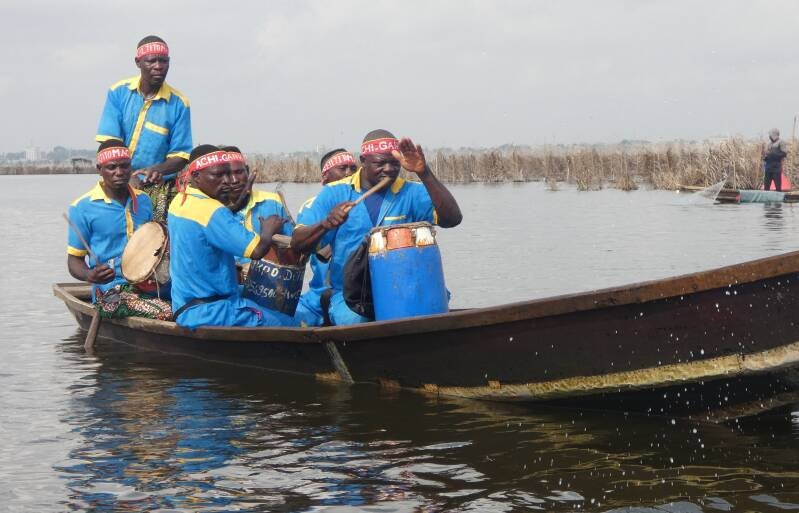
Naming ceremony
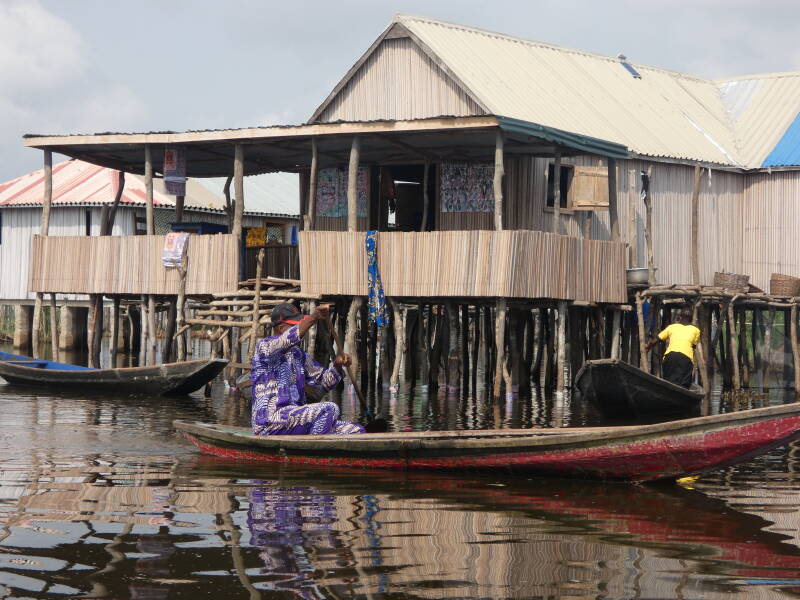
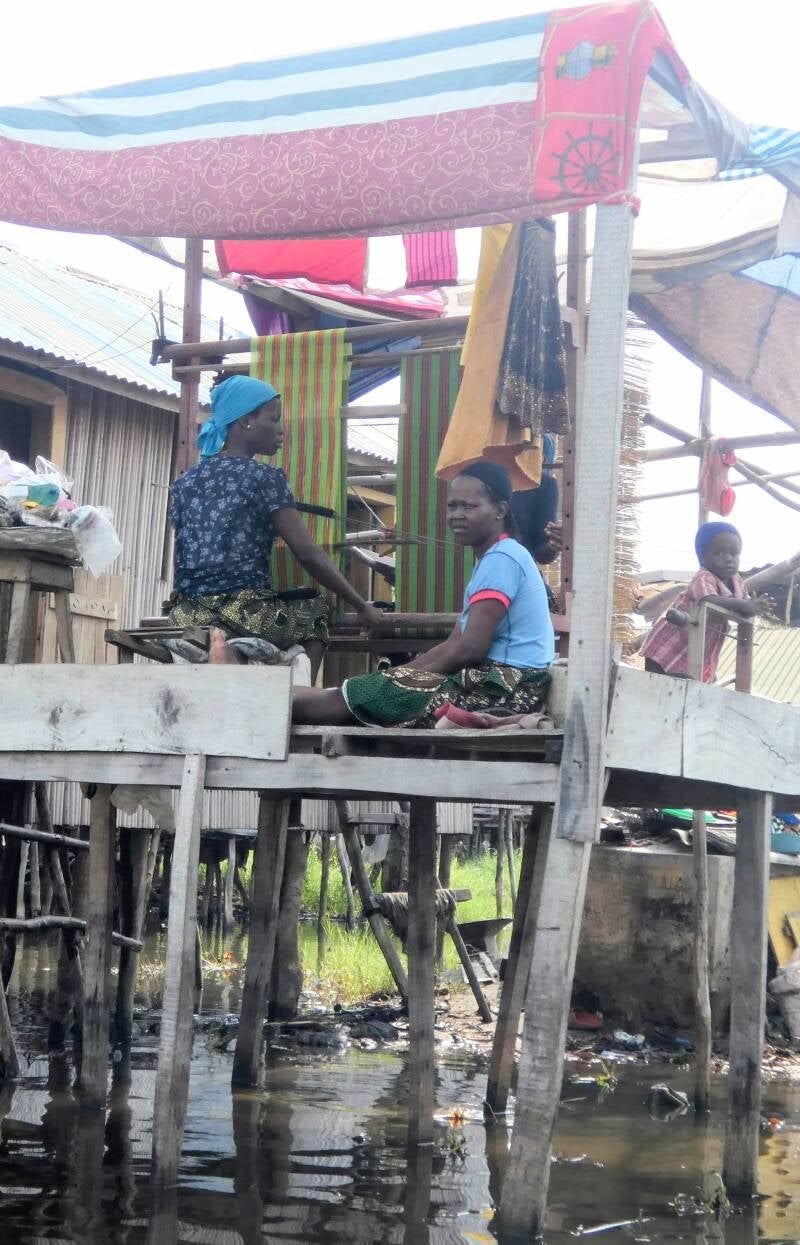
Weaving on the water
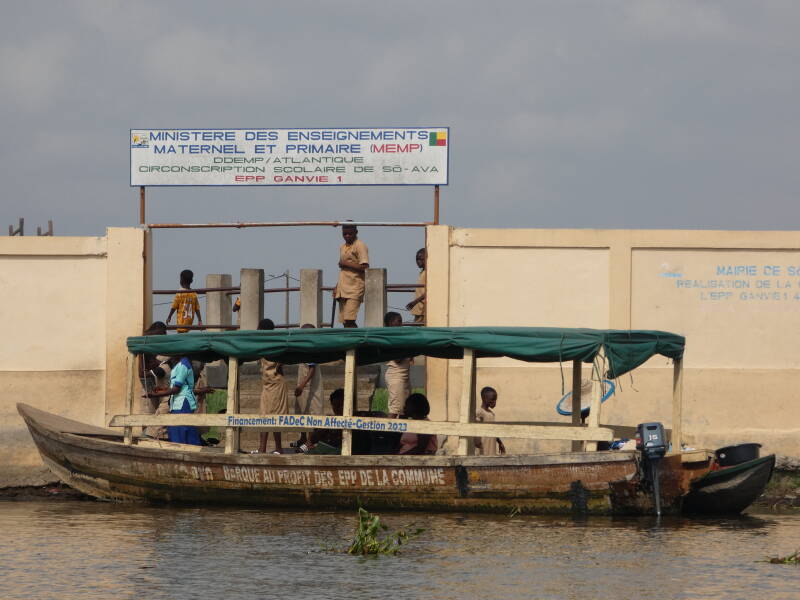
School
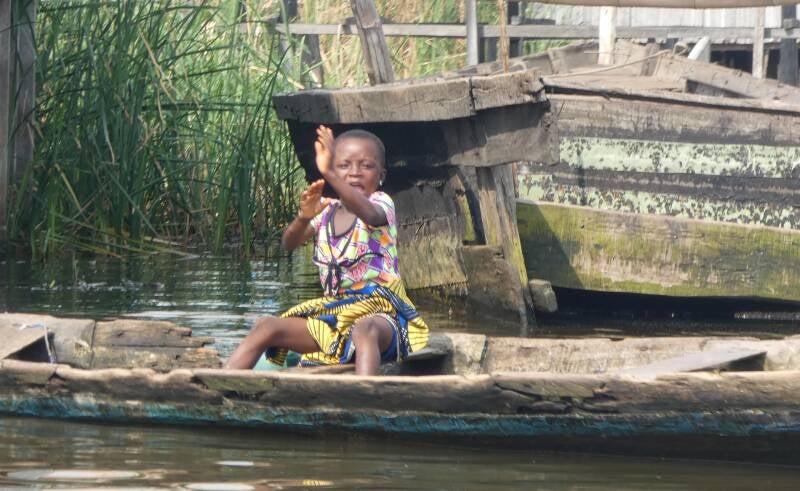
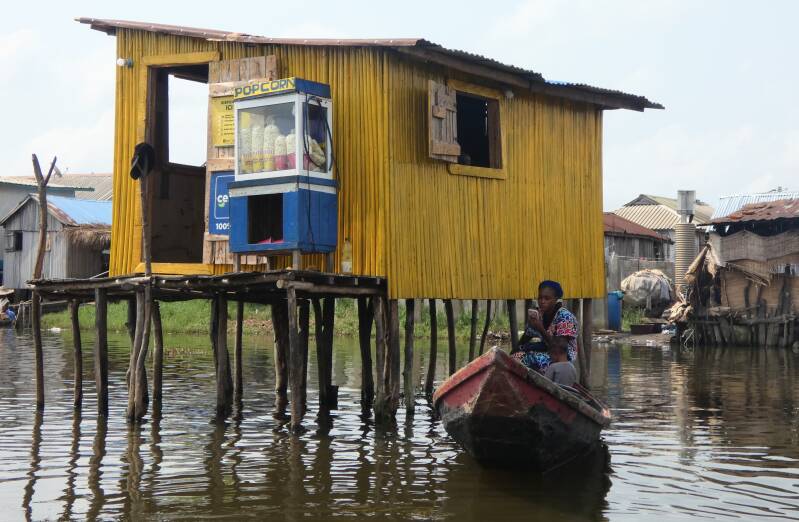
Popcorn seller
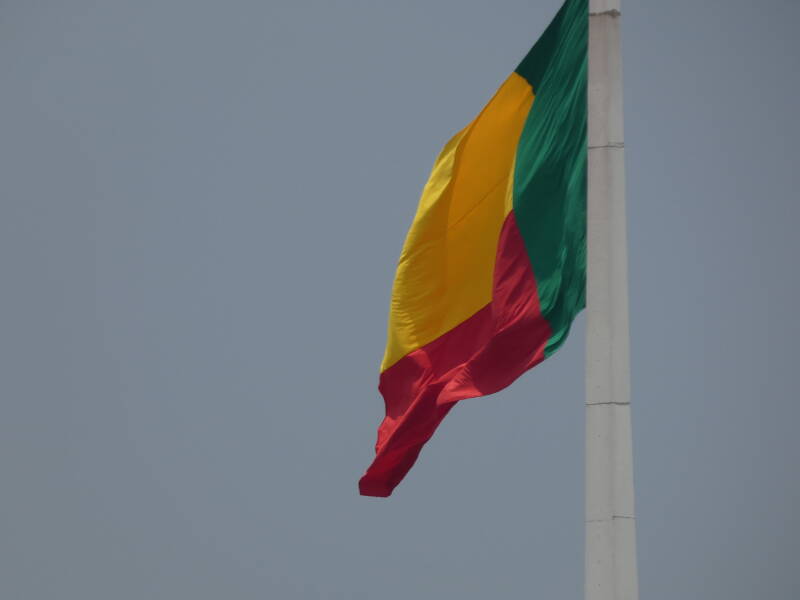
Benin flag
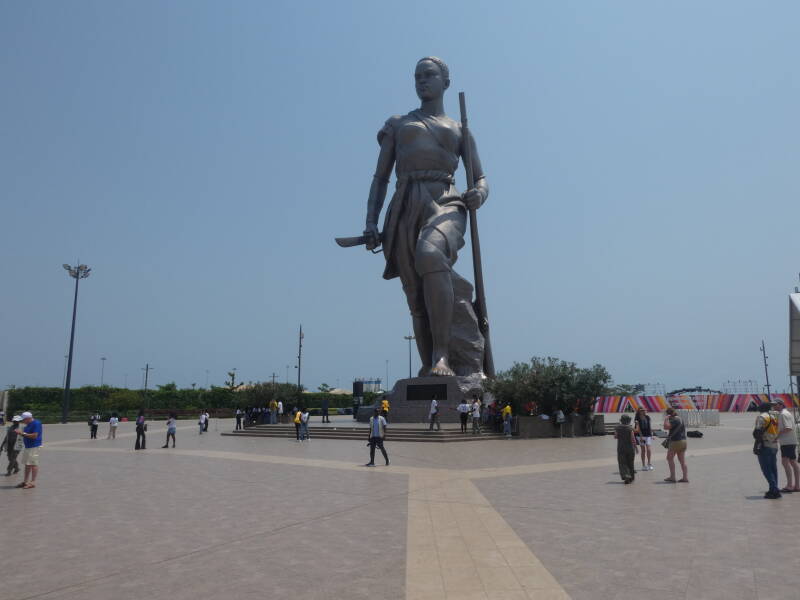
150ft bronze monument to Benin women
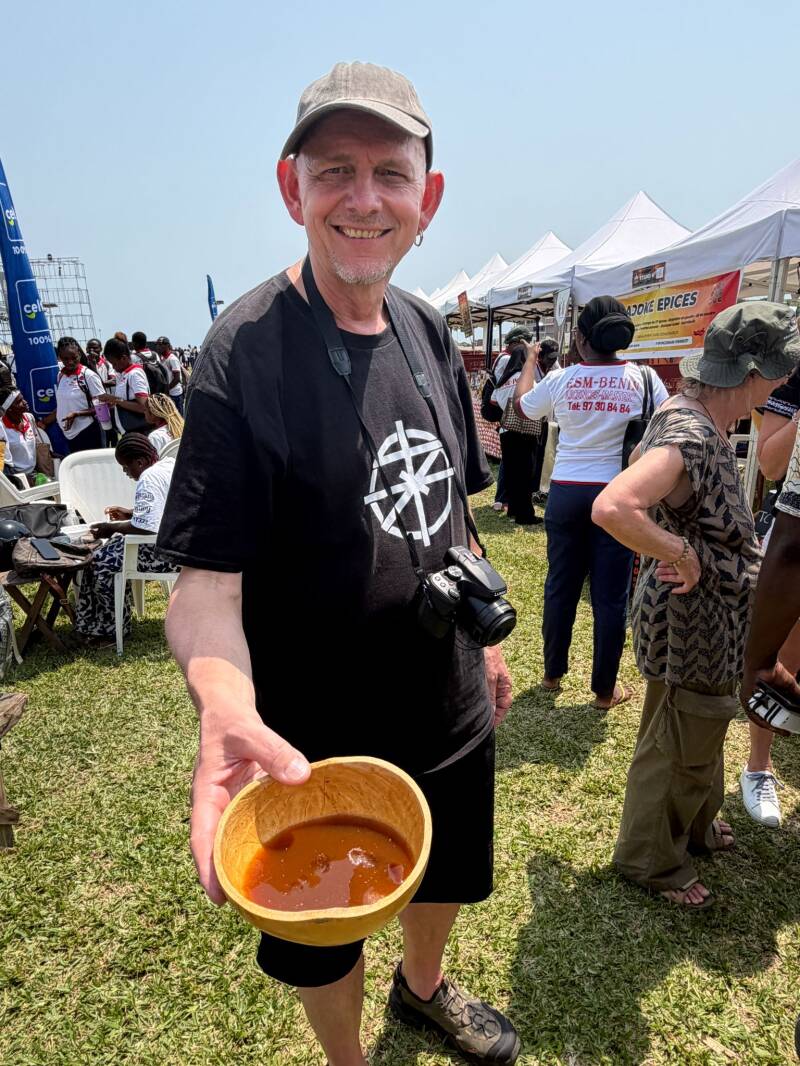
Millet beer

Ending the day on the beach
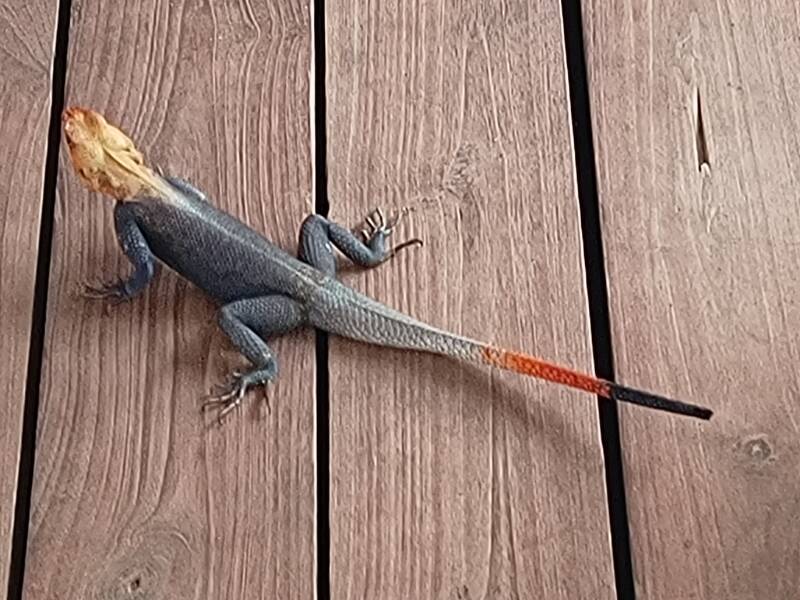
Benin equivalent of the bar fly
Create Your Own Website With Webador