Day 1/2 - 23/24 Sep Bristol to Bolivia via Columbia & Peru!

Photo above - me finally at the hotel in La Paz. Everything overlooks everything else here.
An amended start to the initial journey
Well, my latest trip got off to an inauspicious start, when I got a message from Trainline to say my train to Heathrow had been cancelled. Frantic searching of the internet, and a seat on a Flix Bus was reserved at very short notice.
This journey involves travel through three countries starting with Bolivia, however getting there will involve an 11 hour overnight flight to Bogota, Columbia (5280 miles) leaving at 10pm from Heathrow, with an early arrival at 03.10 on 24th. Then some time to hang around in the airport before an 8am flight to Cusco, Peru (1270 miles), and finally at noon, Cusco to La Paz, Bolivia (323 miles) arriving a little before 3pm.
A brief return visit to Columbia
As it happens, the plane arrived an hour early at Bogotá, despite an electrical storm on the outskirts of the city. It was quite a sight to see from a plane, but slightly concerning! Bogotá is a 24/7 airport with flights through the night, so still plenty of people about when I transited for my 8am flight onwards to Bolivia via Peru.
A brief return visit to Peru
My plane left the Columbian capital on time, and took about two and a half hours to fly to the Peruvian town of Cuzco. This is the entry airport for people who are making their way to nearby Machu Picchu. As we left Bogotá behind and headed south towards Peru, we started flying over an amazingly large area of jungle and snaking river, with little or no settlement. Soon however we could see nothing except cloud cover. After about 45 minutes the cloud cover dropped away, and by now we were likely to be over Peru, but the jungle and snaking rivers were still the only thing to see. Later as we started our descent, small towns came into view. Then on the approach to Cuzco, there were some fantastic views of the arid brown Andes, some distant snow capped peaks, and then colourful little settlements, and finally the riot of colour that is Cuzco.
On arrival at Cuzco, I was expecting, and had been told, to get off the plane and enter the airport for a short period before getting my short hop flight to La Paz in Bolivia, even though the flight is on the same check in and boarding pass as the flight I just completed, and even has the same flight number. It turned out to be a lot easier. The 20 or so people not terminating at Cuzco and going on to La Paz, simply stayed on the plane in the same seats. Security came in to make sure every bag left on board had an owner, and passport control checked passports against passenger lists. We then waited a short time for the new passengers to get on, and we were away again.
Final leg to La Paz
The flight left on time, with more great views, but we experienced really bad turbulence as we ascended. Not sure I have ever experienced it so bad, however pilots must get used to it on routes like this crossing the Andes.
I arrived before 2pm in La Paz, the capital of Bolivia. Great views of Lake Titicaca which forms the border at this point between Peru and Bolivia. The airport here (El Alto) is the highest international airport in the world at 4,061 metres (13,325 ft) up in the Andes. This is three times the height of Ben Nevis, and well above the height at which altitude sickness can occur, and breathing can be difficult.
First hours in the highest capital in the world
I definitely felt it as I breezed through security and customs, but just need to take things slow. Unfortunately no sign of the pick up I was expecting to take me to a city centre hotel 10 miles away, so I had to risk a taxi. The airport is way above the city and there is a long fast winding three lane highway that takes you down to city level, some 400m below. The guy drove like a lunatic, but I soon realised that is the norm. Once off the fast road, having exited at the appropriate height, we wound our way through tiny steep streets thronging with people and cars. I noticed they used the wonderful brightly coloured buses common to other countries in South and Central America. There were also lots of women shopping or selling wearing traditional clothes and hats. This place is a photographer’s dream. I was emptied out into what felt like a back street, with lots of small shops and market stalls selling their own speciality, from paint to fruit, to health food, to sandpaper to watches. No sign of anything like a supermarket. After asking a travel agency guy, I found my hotel. I have a view over the city sort of.
About Bolivia
Bolivia is situated in the centre of South America, and is landlocked. It has borders with Brazil, Paraguay, Argentina, Chile and Peru. The country has two capitals, the constitutional capital is Sucre, whilst legislative capital is here in La Paz. The largest city is Santa Cruz de la Sierra, the industrial centre of the country. The official language is Spanish, and over 90% of the 11.5 million population is Christian. The country was named after Simon Bolivar, Venezuelan, who led Bolivia, Columbia, Ecuador, Panama, Peru and Venezuela to independence from Spanish rule in the early 1800s.
With an area of 424,164 square miles, Bolivia is over eight times the size of England. Within it’s borders it has the central Andes mountain range, the Amazon rainforest, tropical savanna and the Altiplano, a high desert plateau, second in size only to the one that forms a large part of Tibet. Nearly 50% of the country is forested.
About La Paz
La Paz is the highest capital city in the world at 3,650 metres (9,153 ft), and the seat of government. It is located in west central Bolivia, situated in a bowl and surrounded by the high peaks of the Andes, which are permanently snow capped. The population is approximately 2 million. The city is built up the steep slopes, with the more affluent residents living in the central southwest area, middle class residents in the city centre in high rise apartment buildings, and lower income residents in the surrounding hills.
I have two days to explore the city starting tomorrow.
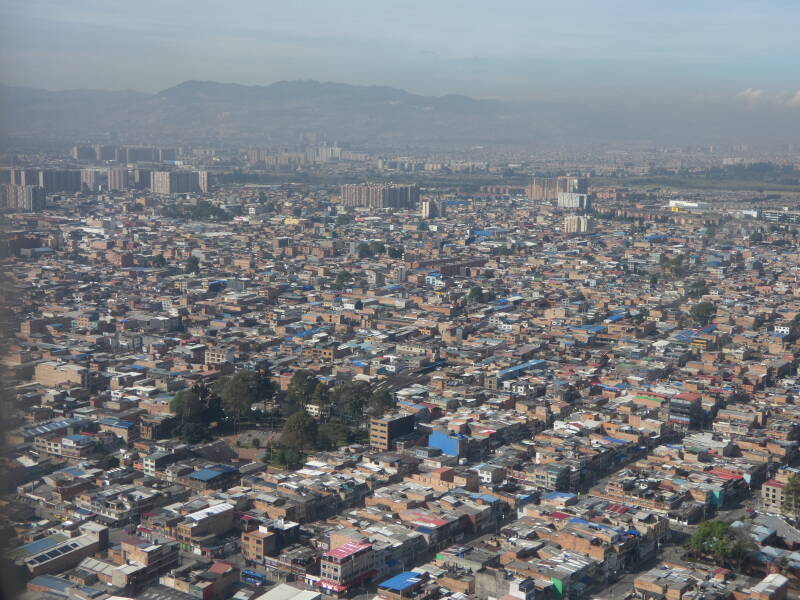
Leaving Bogotá, Columbia
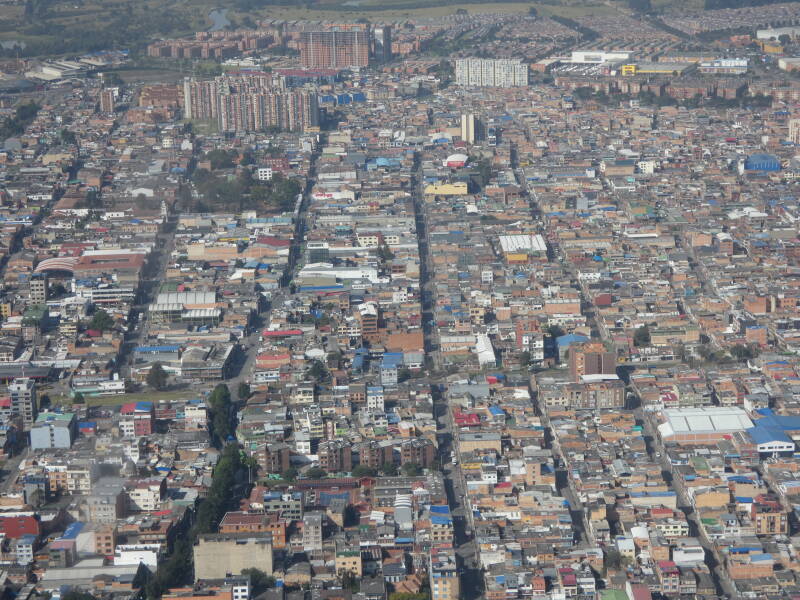
Leaving Bogotá, Columbia
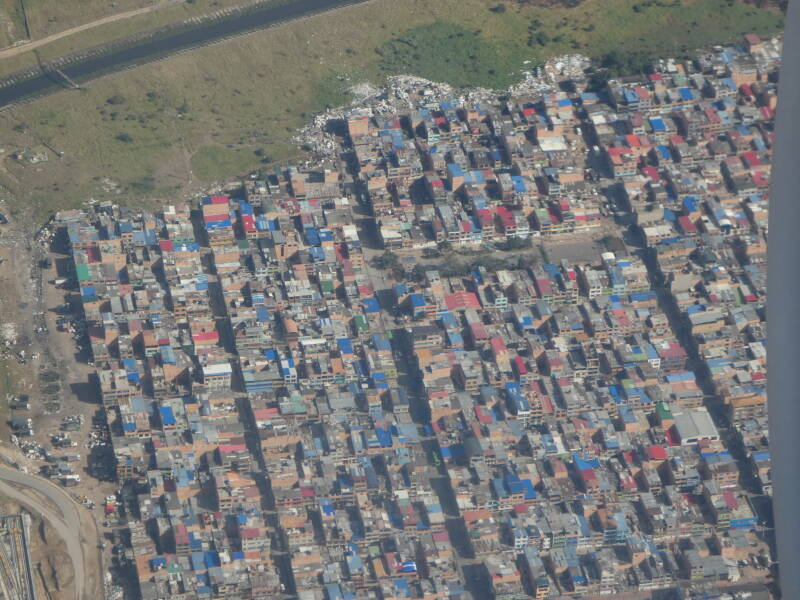
Leaving Bogotá, Columbia
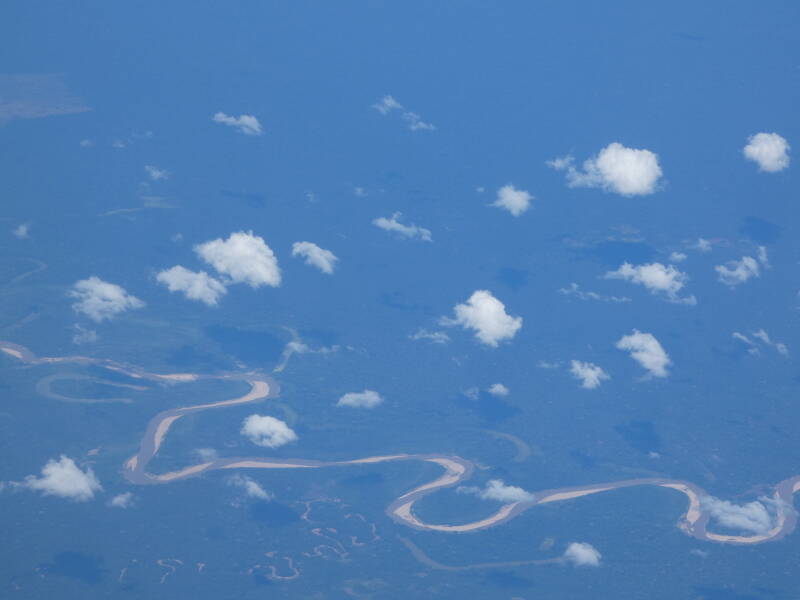
Jungle and winding river
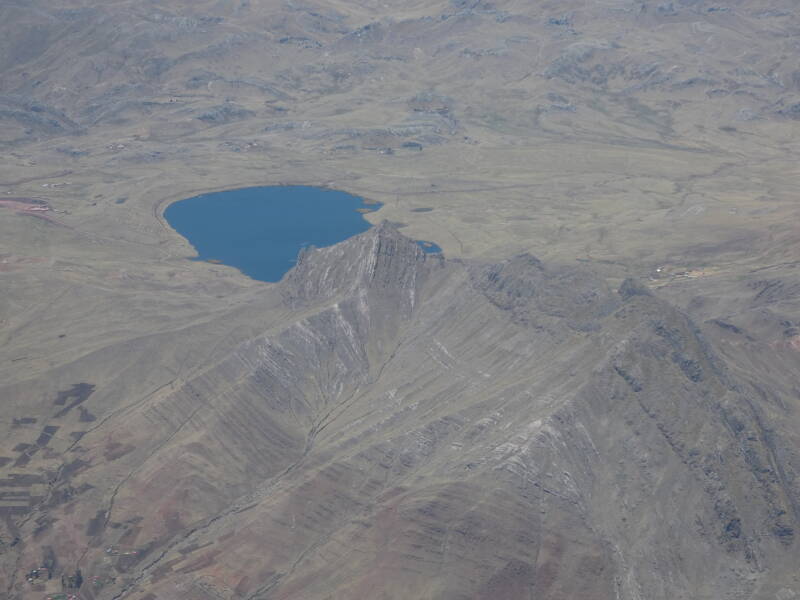
Huge scale of wilderness
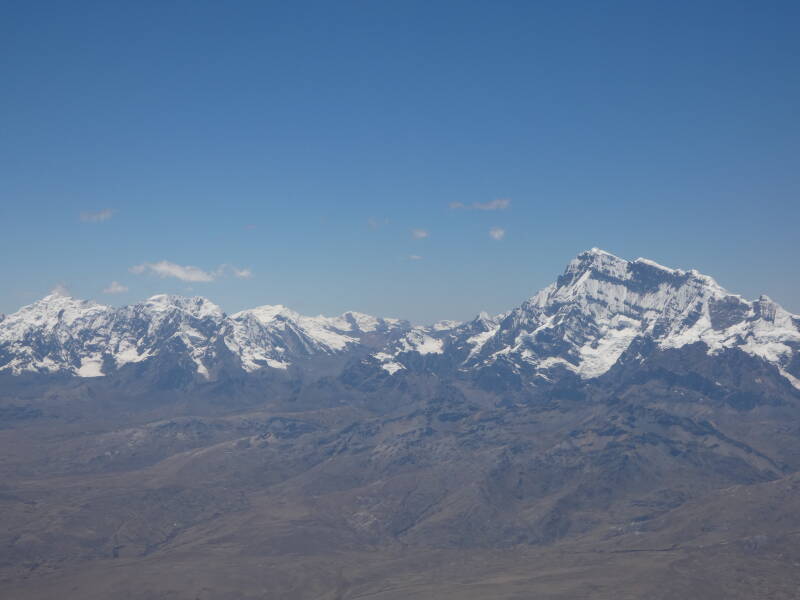
Approaching Cuzco, Peru
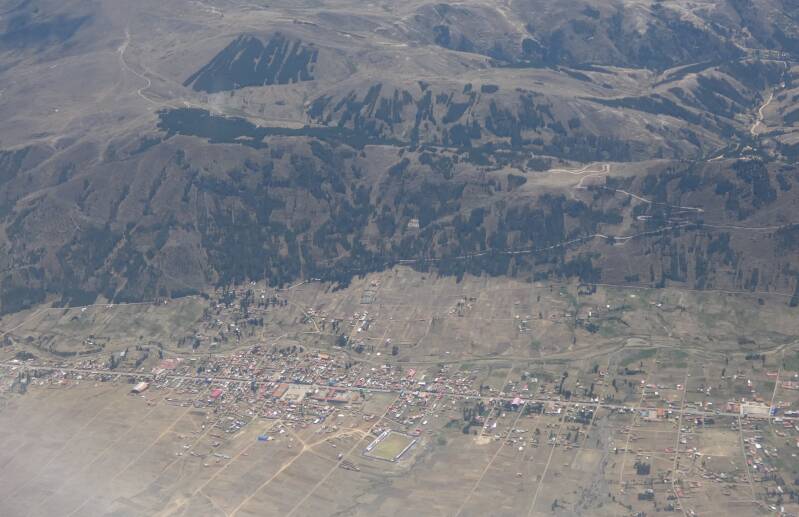
Approaching Cuzco, Peru
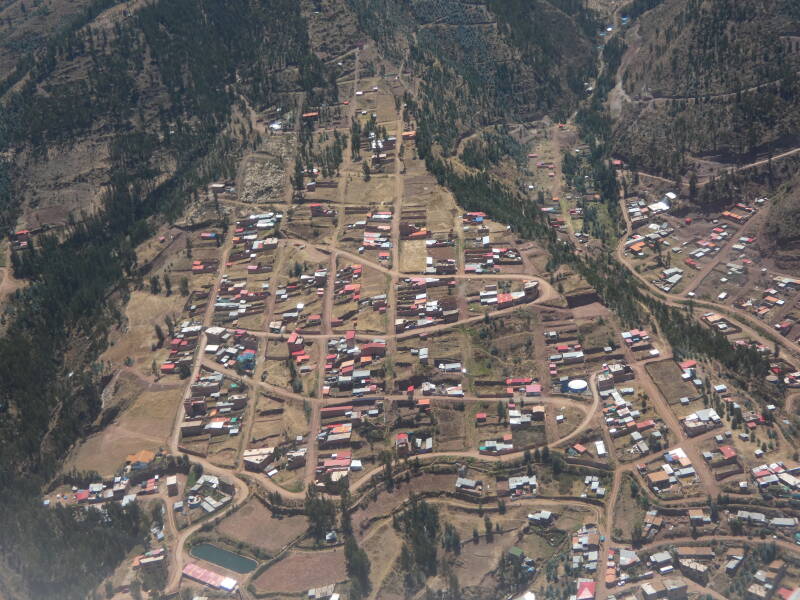
Cuzco, Peru
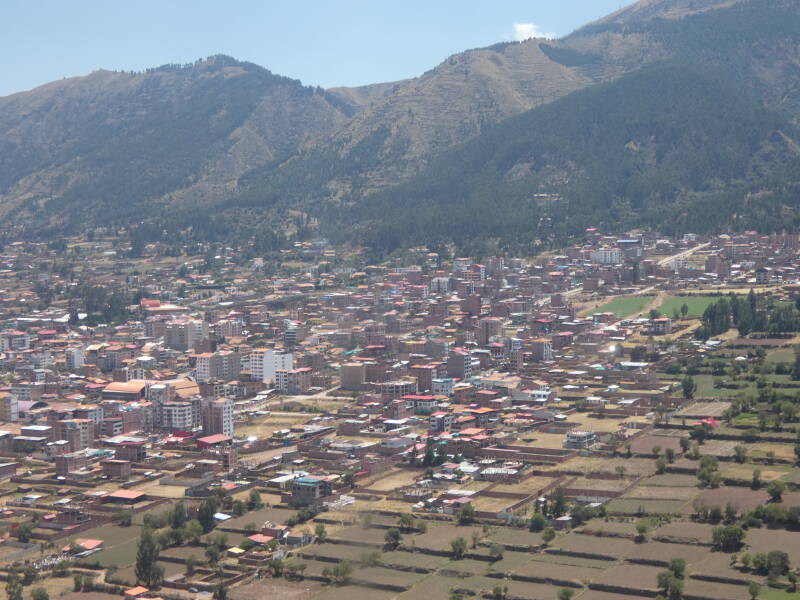
Cuzco, Peru
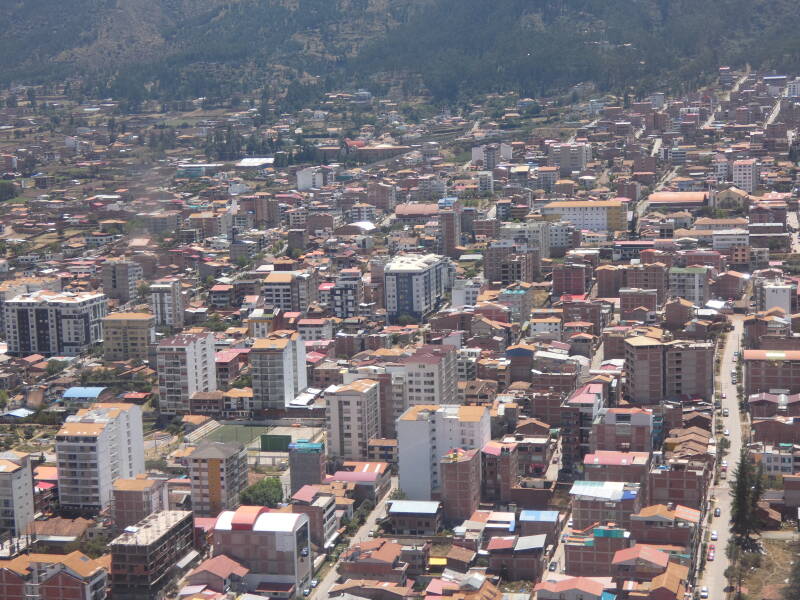
Cuzco, Peru
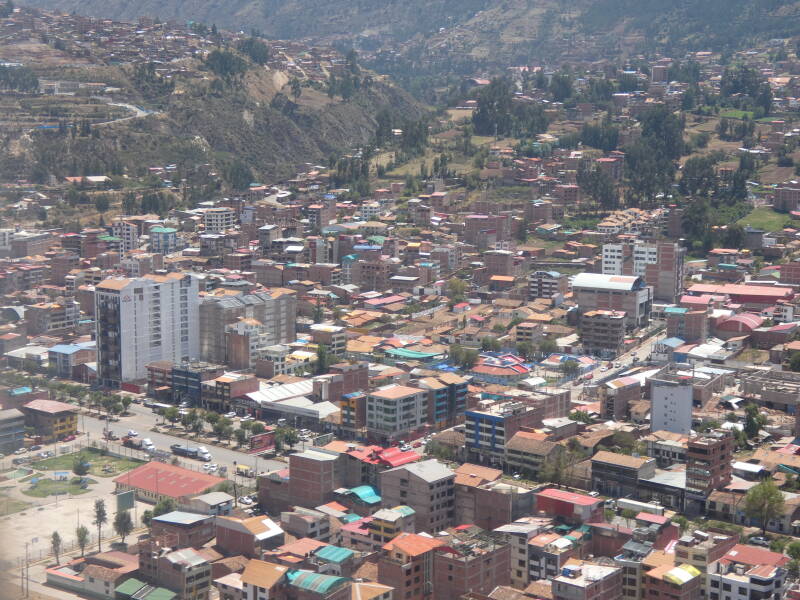
Cuzco, Peru
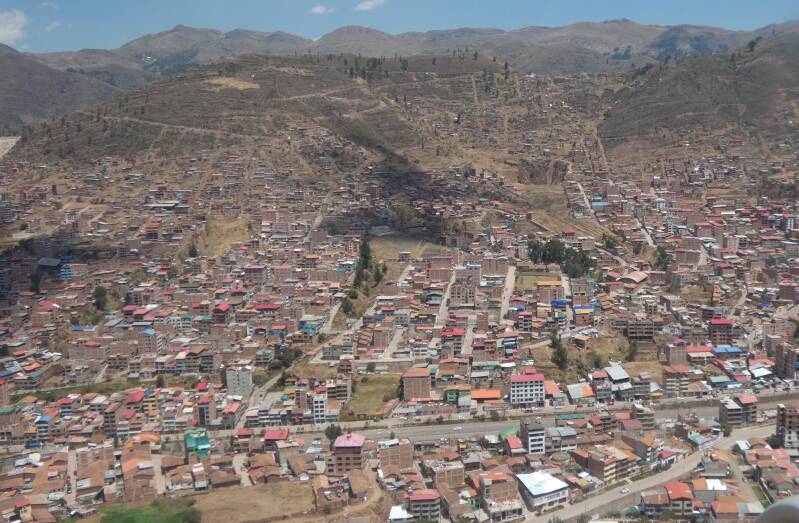
Leaving Cuzco, Peru
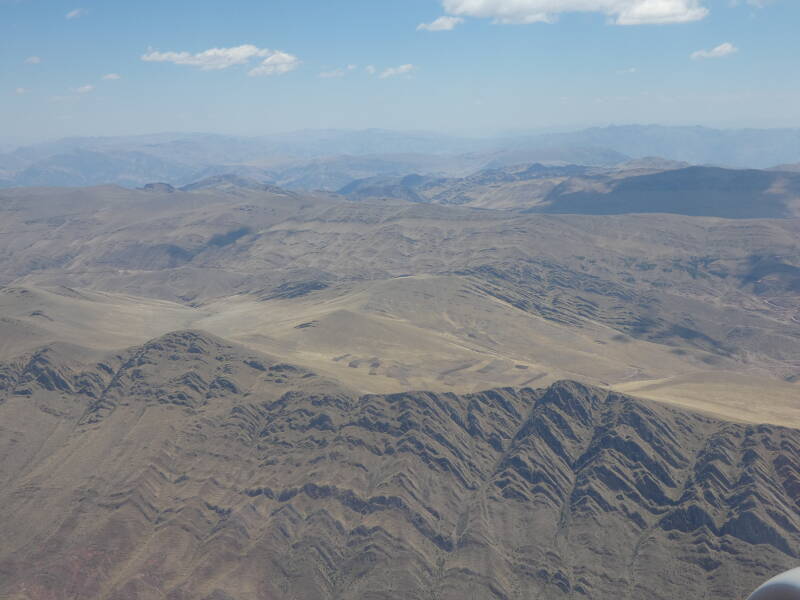
Arid Andes
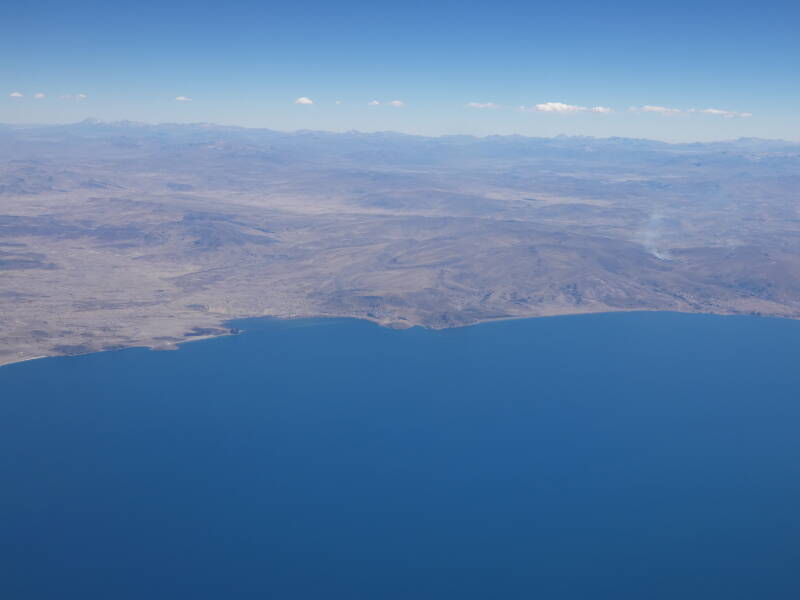
The huge Lake Titicaca
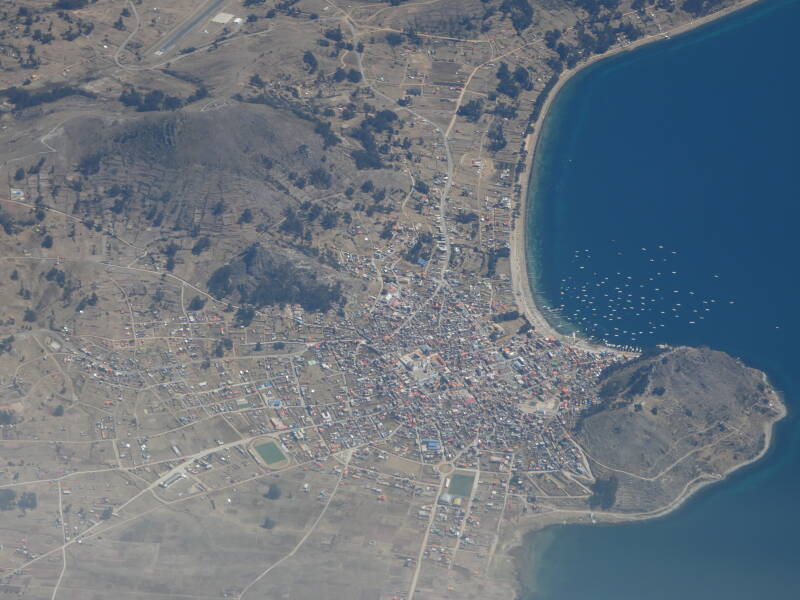
Lake Titicaca
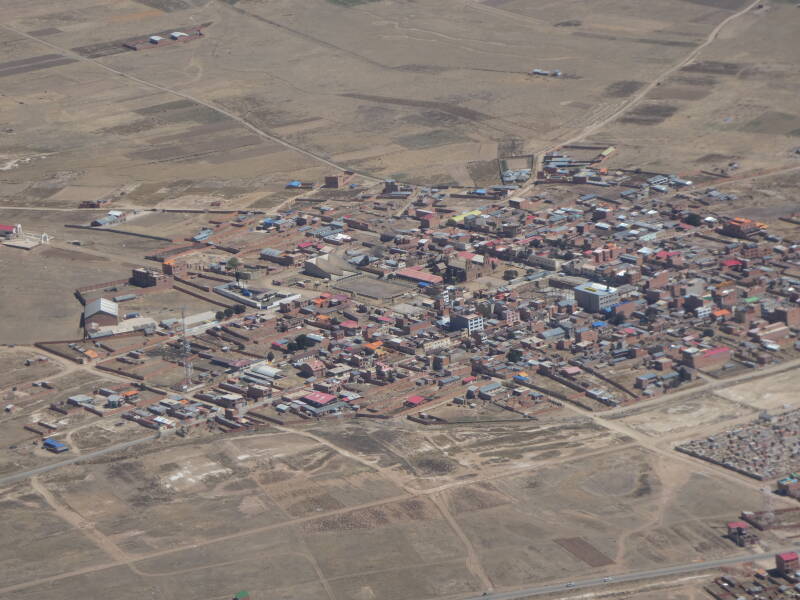
Approaching La Paz
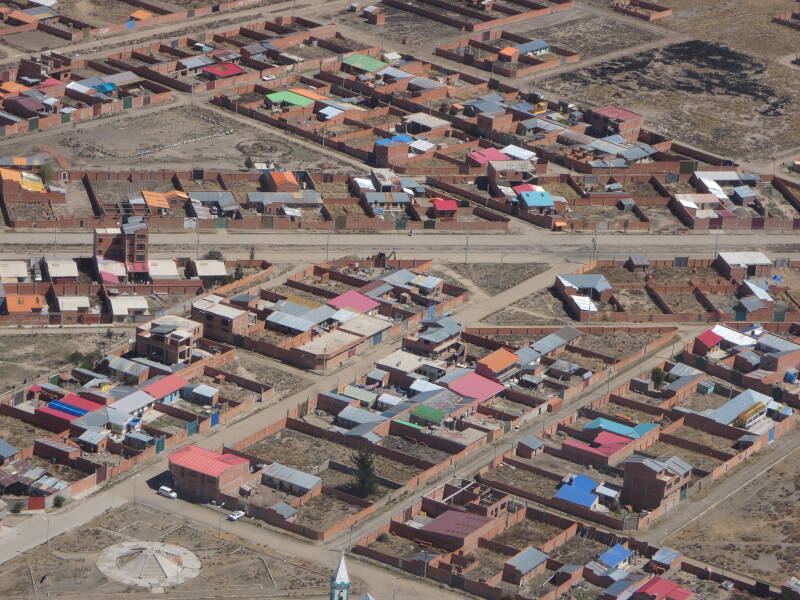
Approaching La Paz
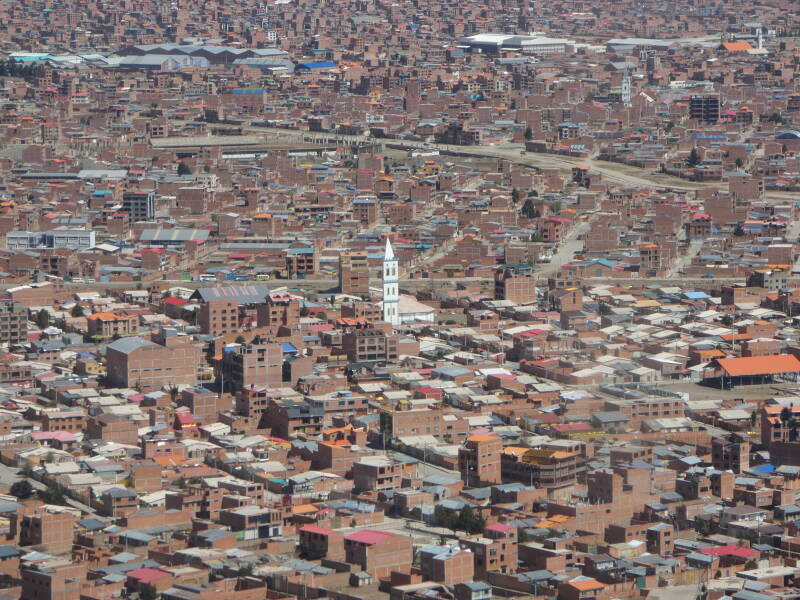
La Paz, Bolivia
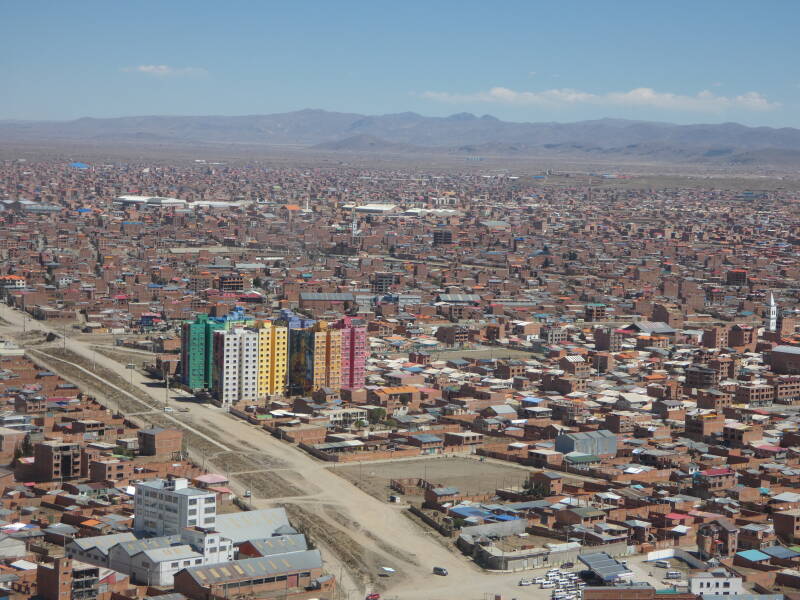
La Paz, Bolivia
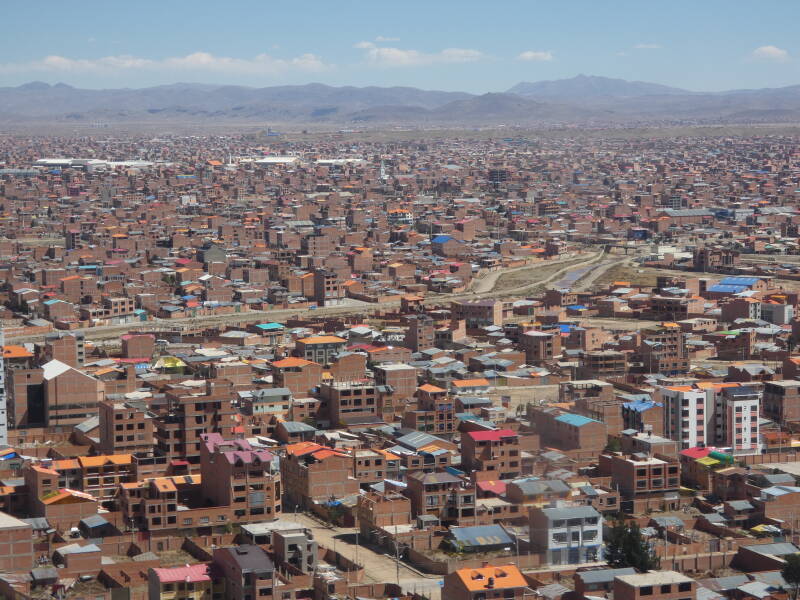
La Paz, Bolivia
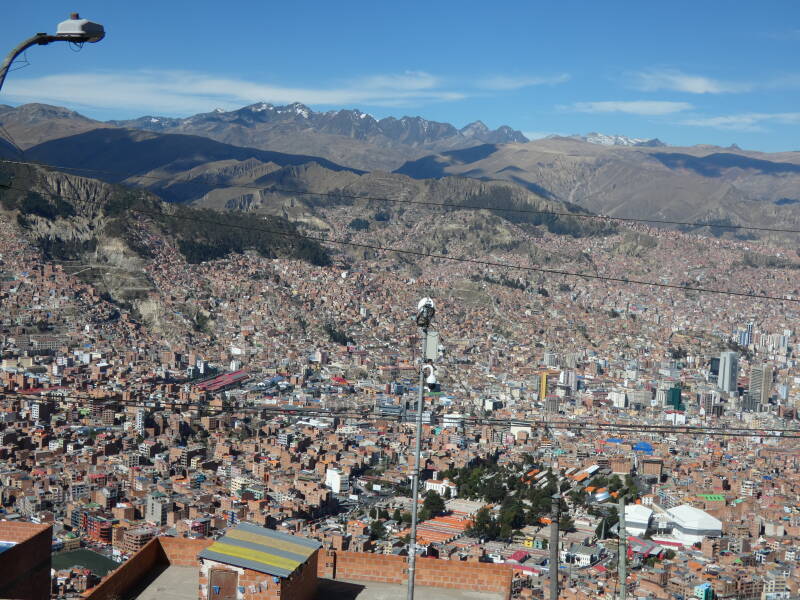
Looking down from near the airport at La Paz
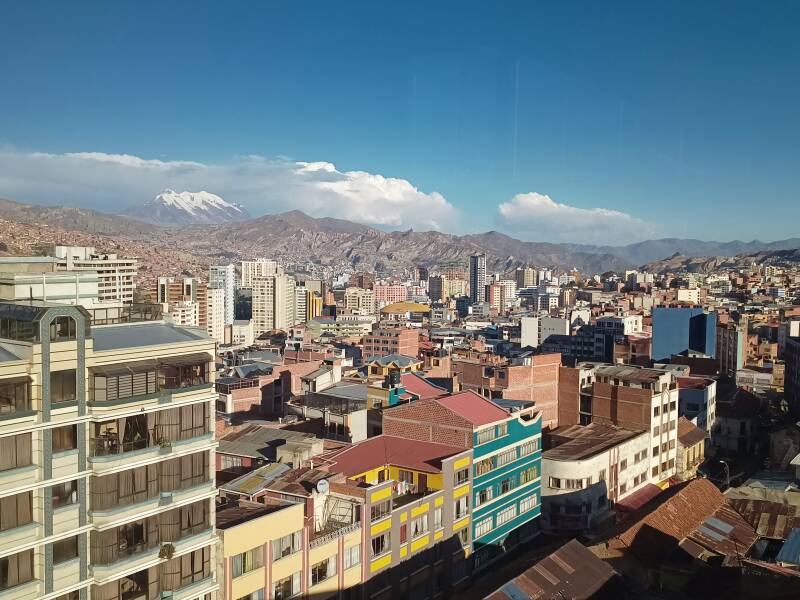
View from La Paz hotel
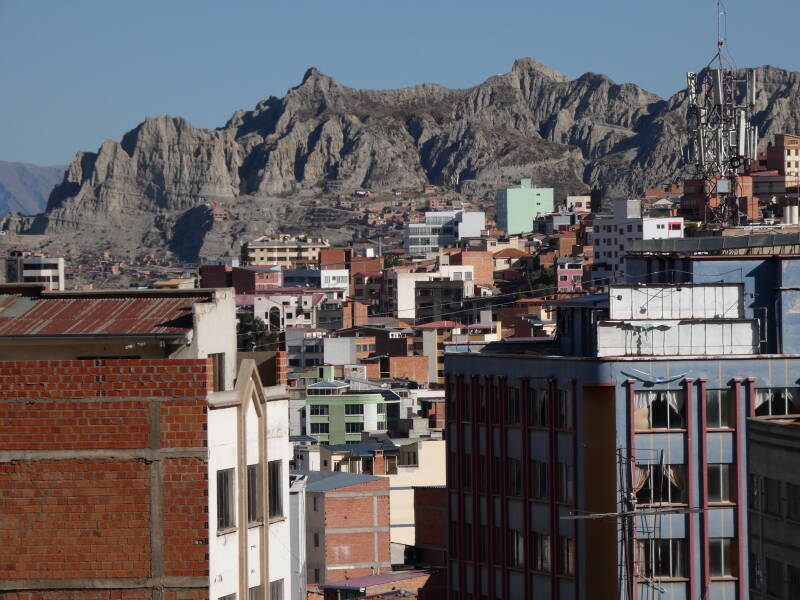
View from my bedroom in La Paz
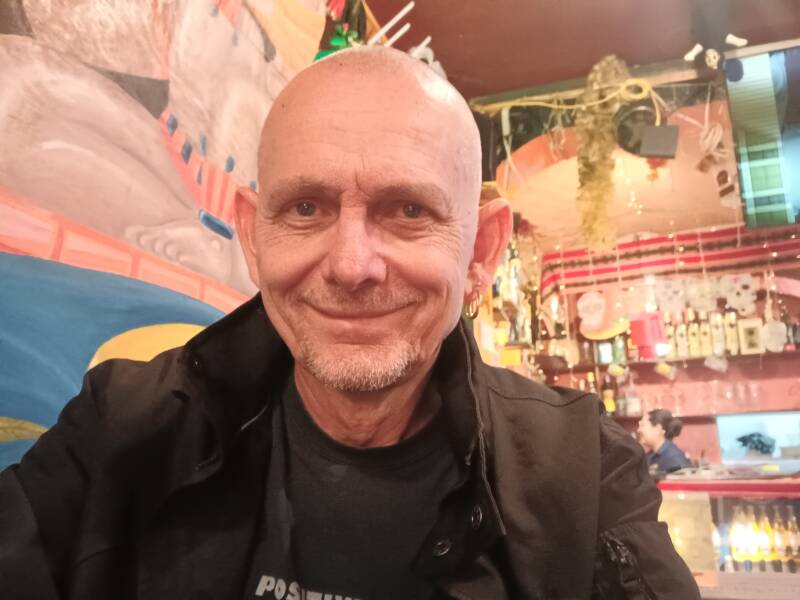
Having a Mexican in Bolivia
Create Your Own Website With Webador