Day 6 3 Sep - Explore Sarajevo, and a visit to the tunnel of hope

Photo above - me in the hills above Sarajevo, Bosnia. More photos to follow.
The break up of Yugoslavia
On this trip we are travelling through areas that were once part of Yugoslavia. When the former Yugoslavia began to break up during 1991 and 1992 and areas started claiming independence the impacts were very different in the many regions.
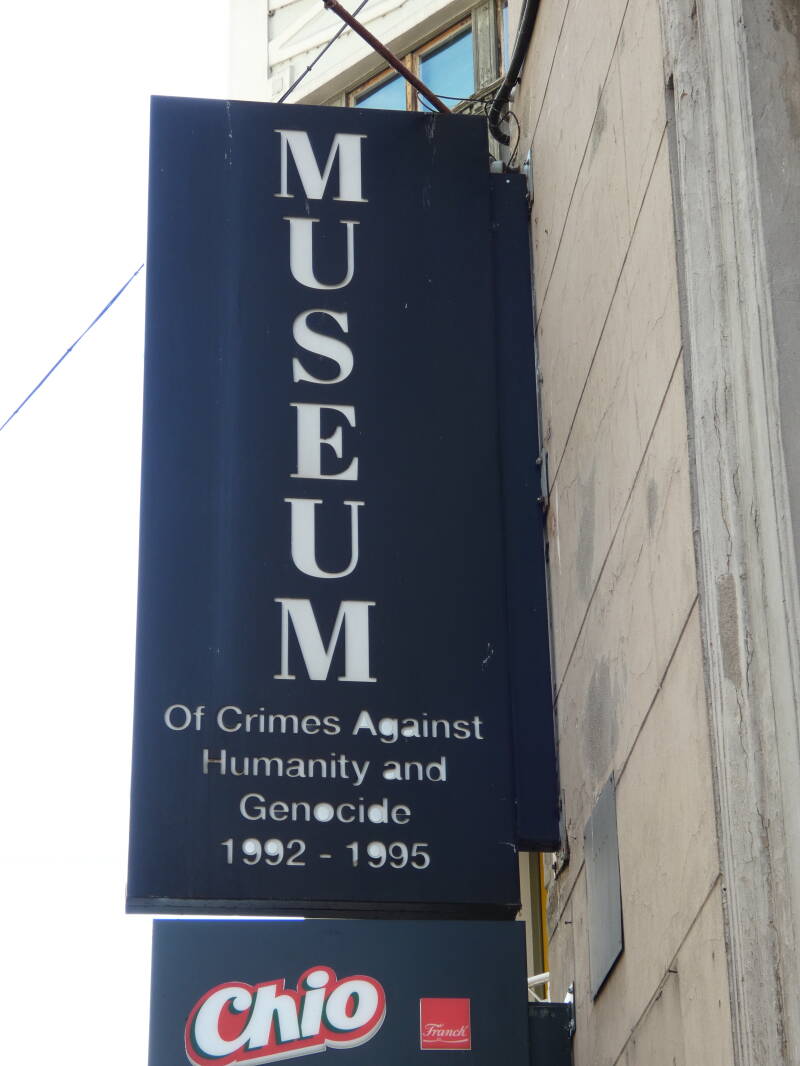
In Slovenia, it's declaration of independence resulted in a brief armed conflict (called the ten day war), with the Yugoslav army, resulting in approximately 100 deaths. In Bosnia however the civil war sparked by a successful referendum to declare independence which was not supported by Bosnian Serbs, resulted in 3.5 years of civil war between Bosnian Muslims and Bosnian Croat; and Bosnian Serbs backed by the Yugoslav army. This led to over 100,000 deaths and mass displacement.
Bosnia and Herzegovina today
Nowadays the country still has a complex power sharing arrangement in Government. The country is divided into two autonomous entities: Bosnia and Herzegovina, and Srpska. At state level there is a tripartite presidency, with one Bosnian, one Serb, and one Croat. The chair is rotated every eight months. There is also the Office of the High Representative who oversees civilian implementation of peace. The current incumbent based in Sarajevo is an American.
Even now, children from different ethnic groups are taught separately, often within the same school. Car registrations do not have region identifiers on them. There are separate national holidays, and towns have parallel public services like fire services and utilities on ethnic lines.
Exploring Sarajevo
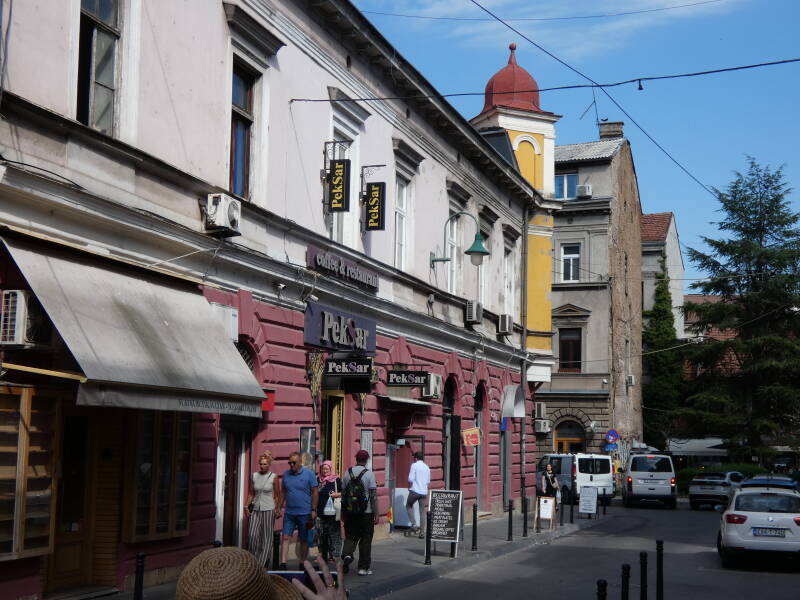
We set off at 9am to explore the city of Sarajevo, which was under siege for nearly 4 years during the civil war of the 1990s. It was also the site of a pivotal moment in world events - the assassination of Archduke Franz Ferdinand on 28 June 1914, which triggered the outbreak of the First World War. We saw the exact spot this happened which is marked by a plaque on the wall, and a replica of the car he was travelling in.
The city has a rich heritage that once earned it the nickname 'Little Jerusalem'. Sarajevo has long been a cultural crossroads, where East meets West and mosques, synagogues, Catholic and Orthodox churches all sit within walking distance of one another. This unique blend of influences is visible throughout the city - from the Ottoman-era Bascarsija bazaar to the Gazi Husrev-beg Mosque, the Cathedral of Jesus' Heart, and the Old Synagogue.
Into the mountains and the site of the Olympics
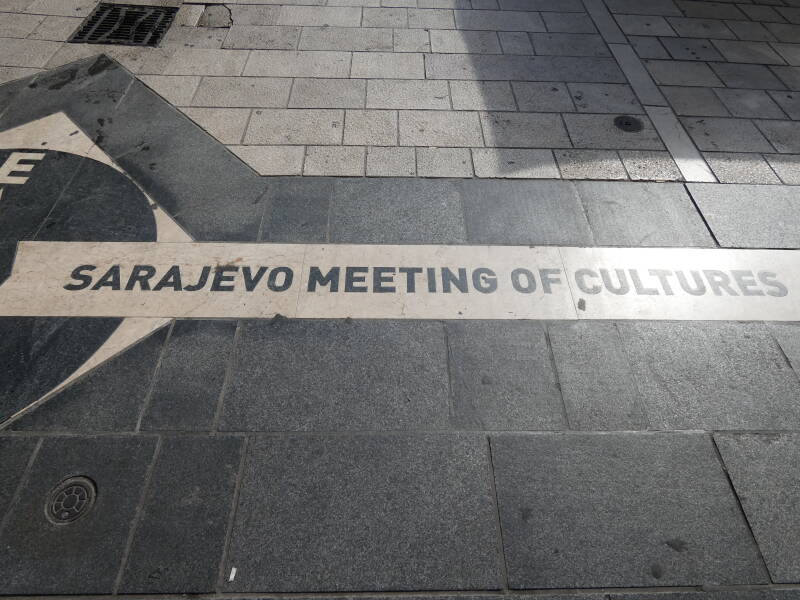
We walked through the old town where there is another spot where it is considered that east meets west. Then we took the cable car, which starts just the other side of the river flowing through the capital, and we went up into the mountains surrounding the city, to where the 1984 winter Olympics were held. There are a few good viewpoints over the city, and you can also walk down the old bobsled run, which nowadays is becoming overgrown and covered in graffiti.
Tunnel of hope
After coming back down the cable car, we walked back to the hotel for a break from the 35c sun, then at 2pm set off towards the airport to see the tunnel of hope. This was built during the 1992-1995 siege, and was a vital lifeline for residents under blockade. There is a museum here which provides a powerful insight into life during the longest siege in modern history. The tunnel is half a mile long and built under the airport, which was under the control of the UN so was not bombed. The tunnel starts under a small house and comes up in another suburban area, but there is only a small section of 100 metres or so, which we could walk through. It was used to bring food and supplies and weapons into the city.
On the way back to the hotel, we drove down the main road which was called snipers alley during the war, and we saw plenty of buildings that still had bullet holes and damage from shrapnel in the walls.
Later we went back into the old town to find a restaurant serving traditional Bosnian food. Tomorrow, we take a train further south to the town of Mostar, which was another place hugely impacted by the Balkan conflict.
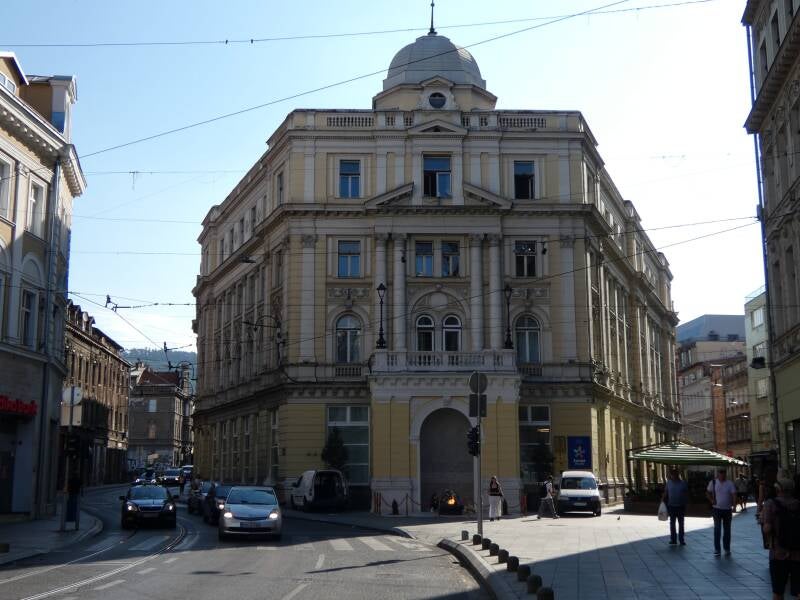
Sarajevo
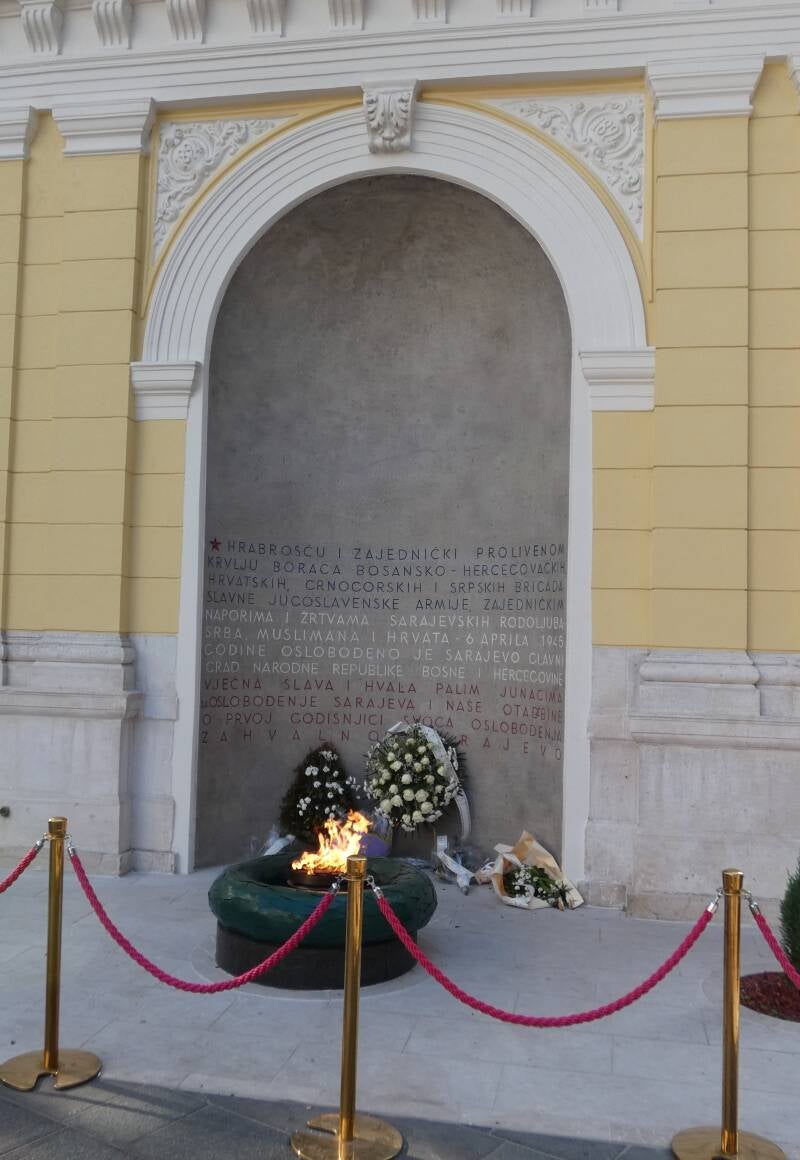
Eternal flame remembering those who died in WW2, and under nazi occupation
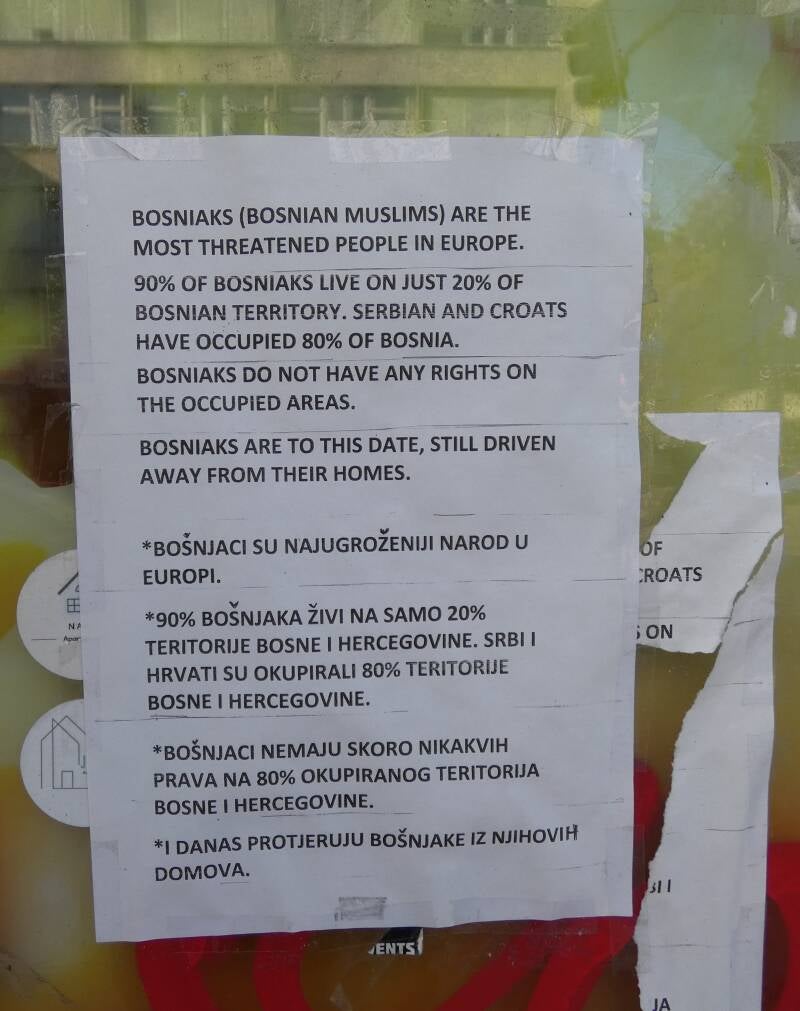
This illustrates how big the problems still are in this area. Someone has just typed this out and pasted it to a window
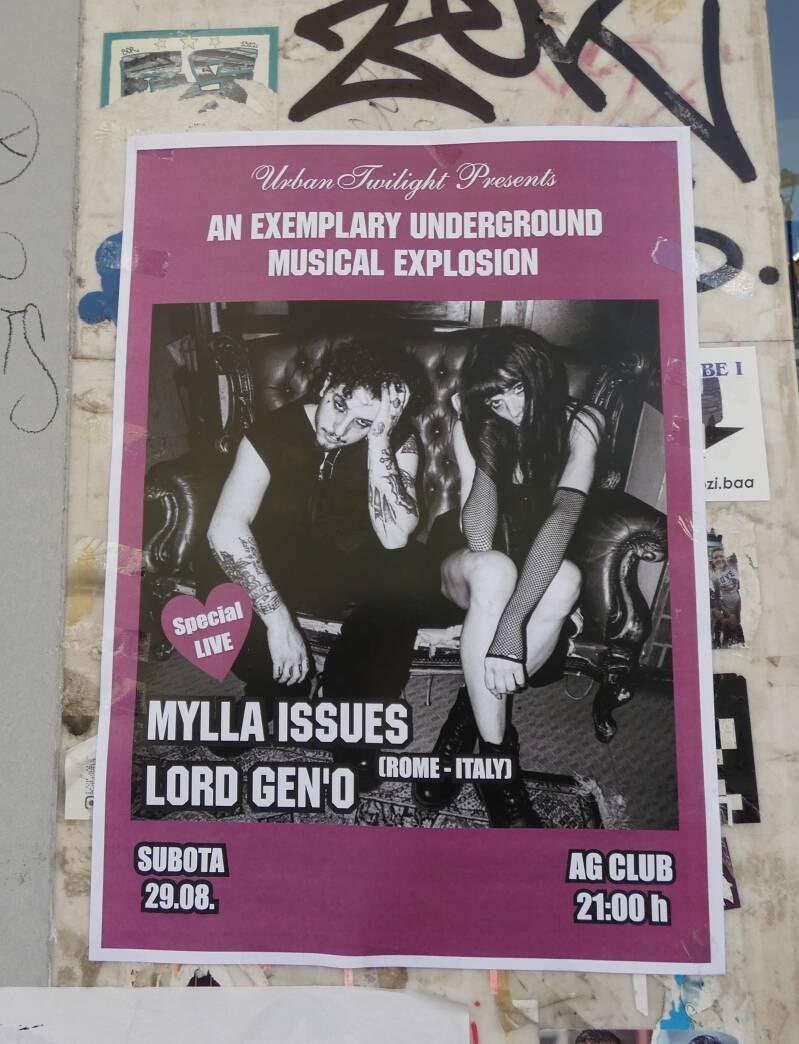
Alternative culture is alive and well
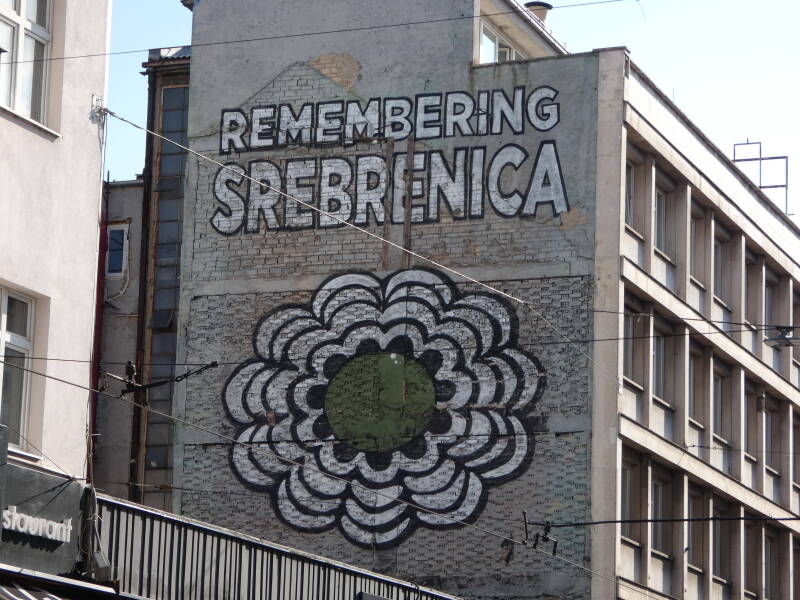
Srebrenica is a district of Sarajevo where thousands of Bosnians were massacred after the UN pulled out and stopped protecting the people who had gone there, expecting security
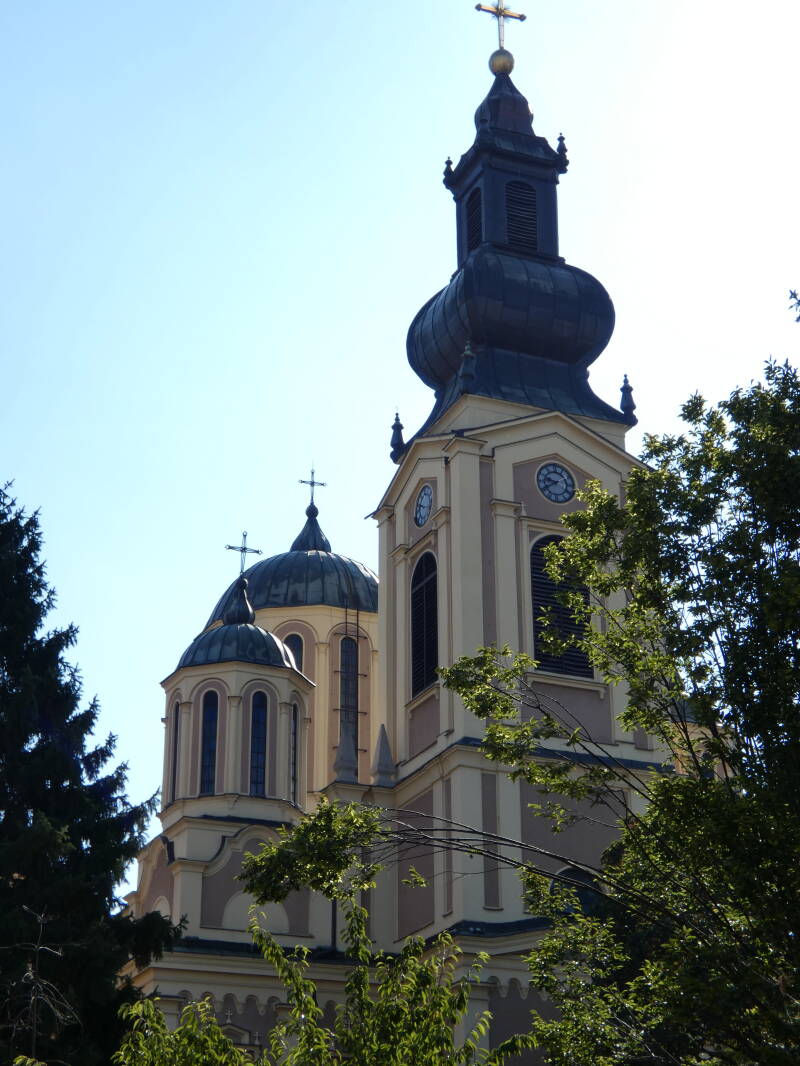
Sarajevo
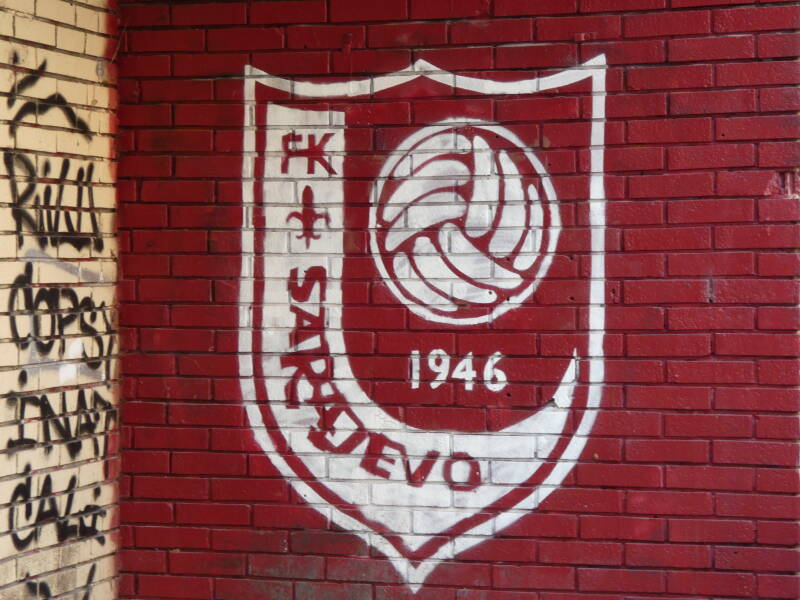
The local football team
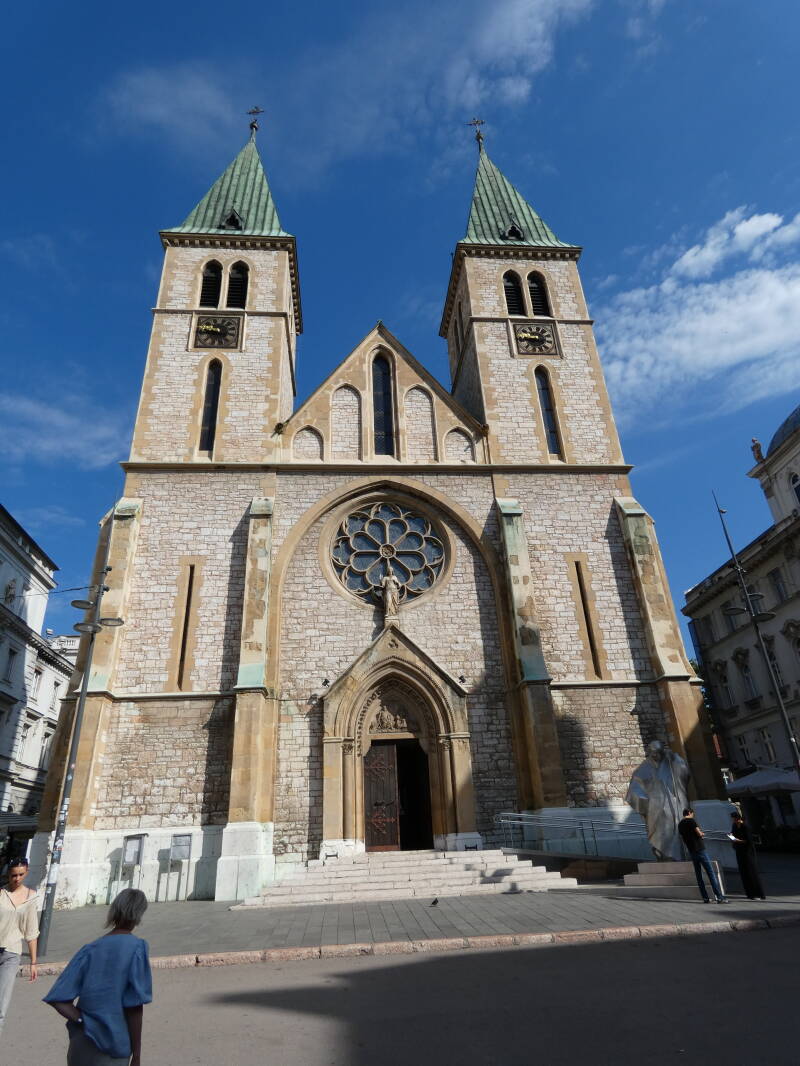
Sarajevo
Sarajevo
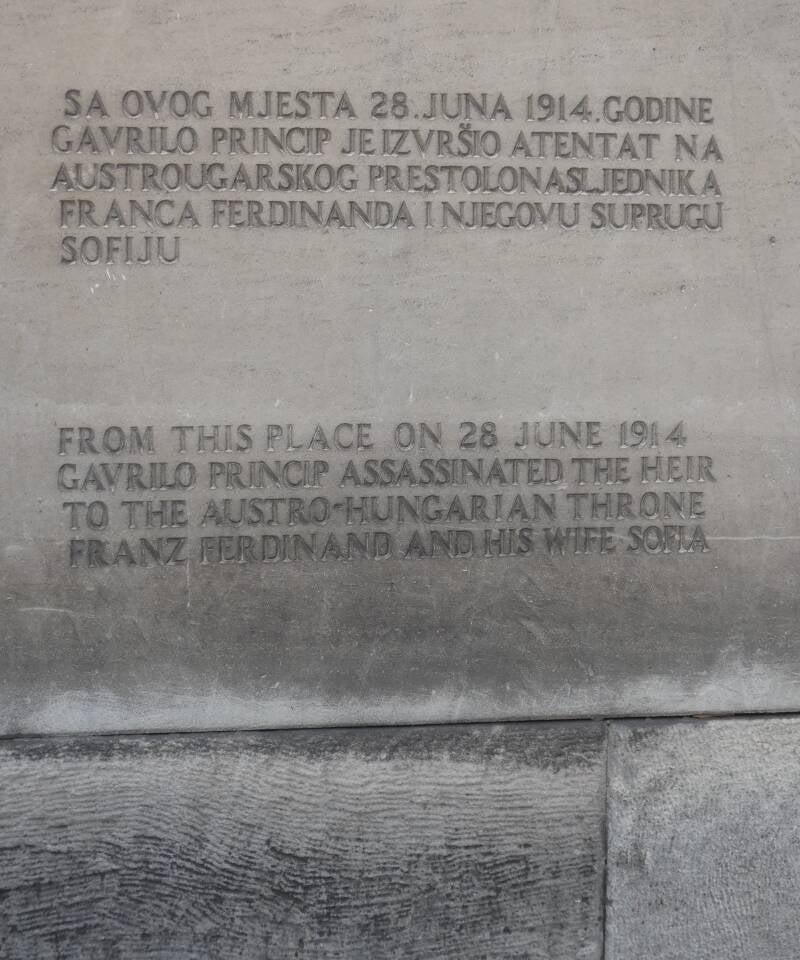
The incident that started the first world war, the assassination of Franz Ferdinand
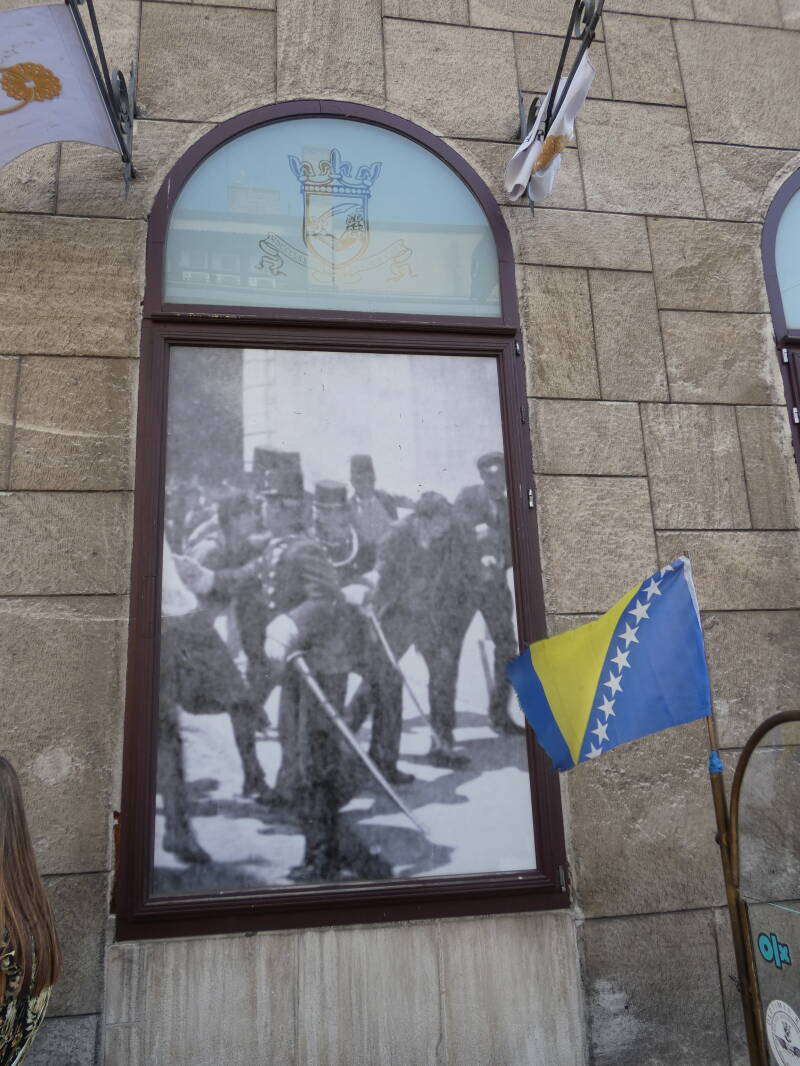
The incident that started the first world war, the assassination of Franz Ferdinand
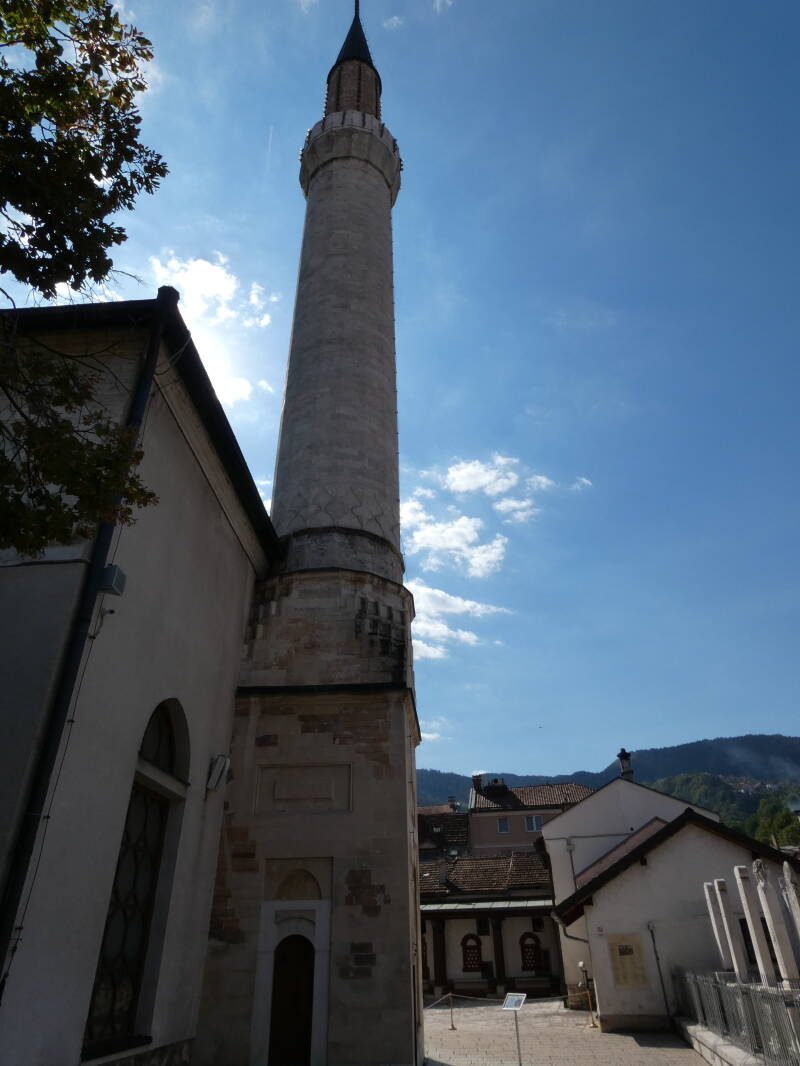
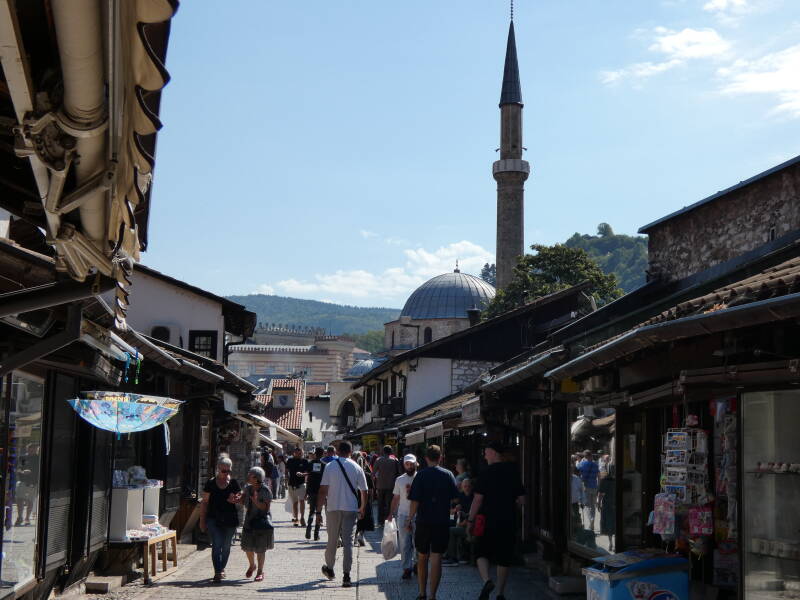
Sarajevo old town
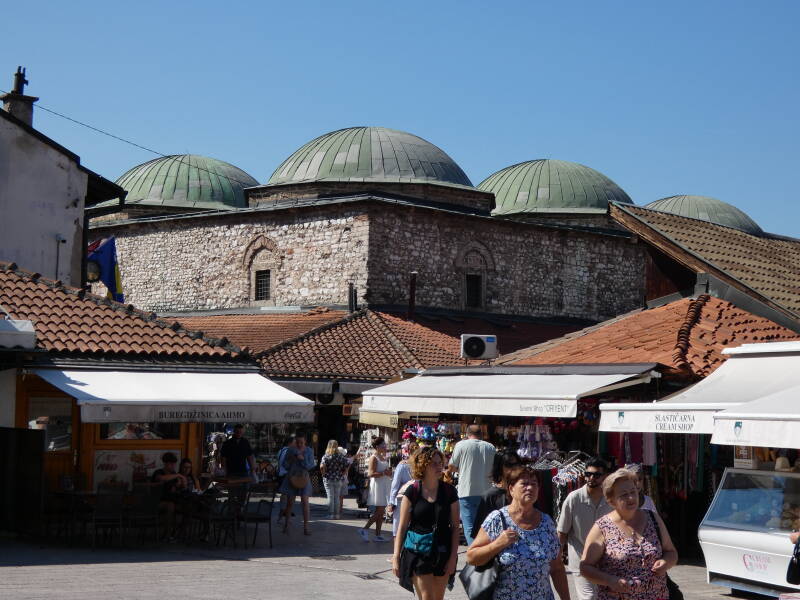
Sarajevo old town
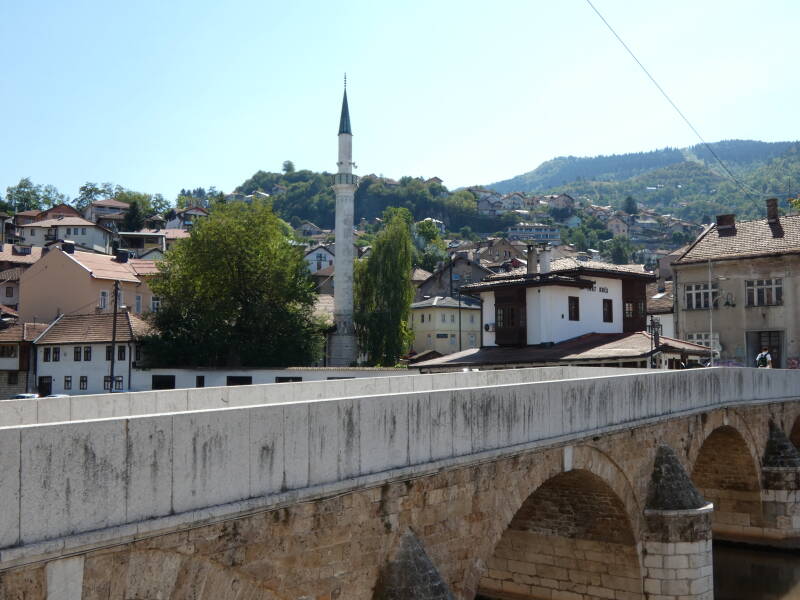
Bridge over the river
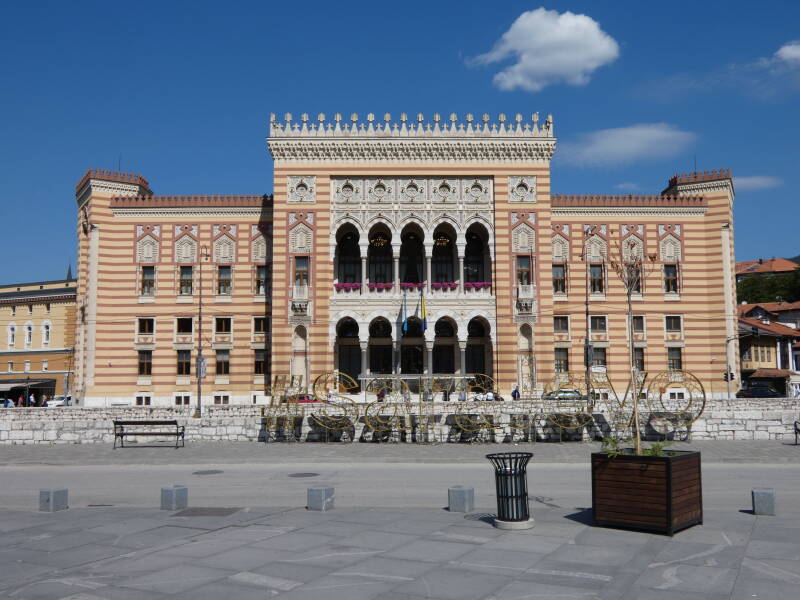
City Hall
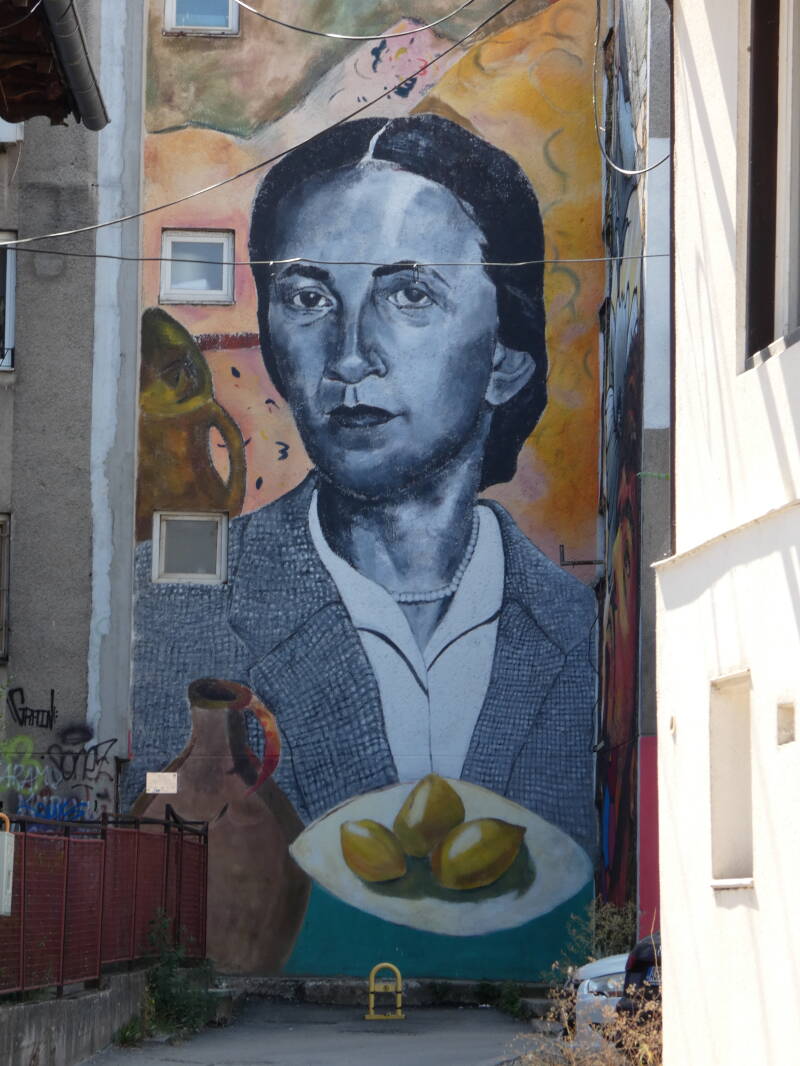
Local wall art
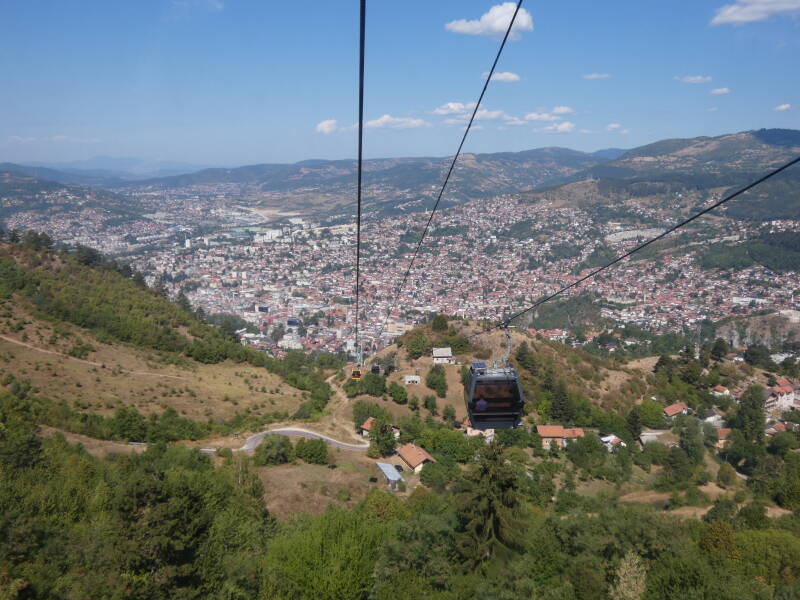
Cable car out of the city
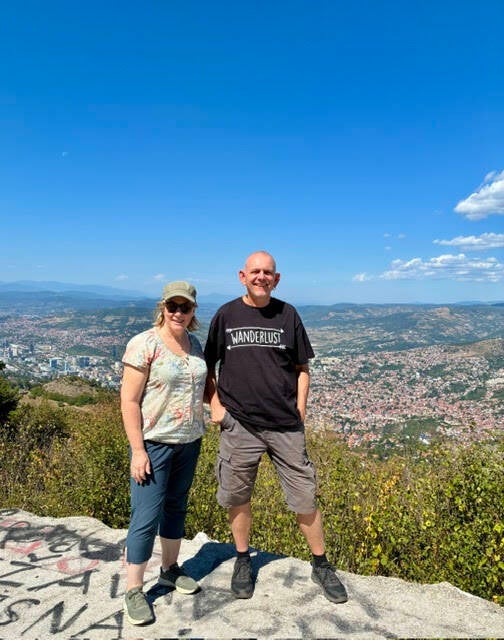
Viewpoint over Sarajevo
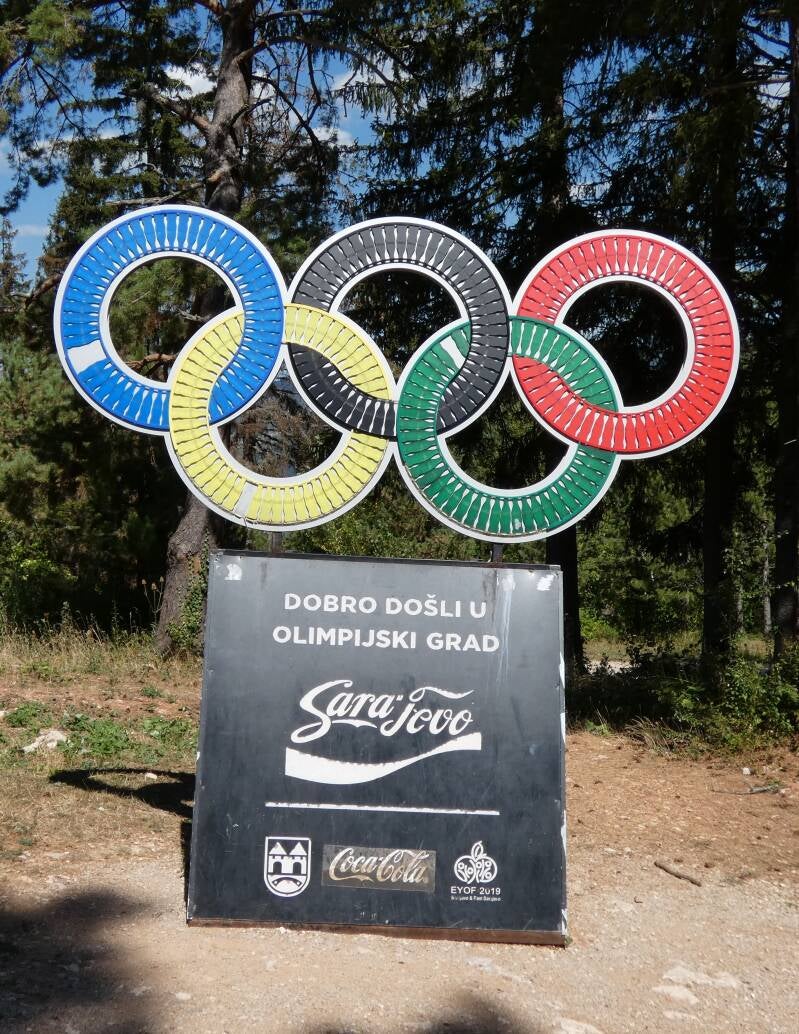
Site of the 1984 winter Olympics
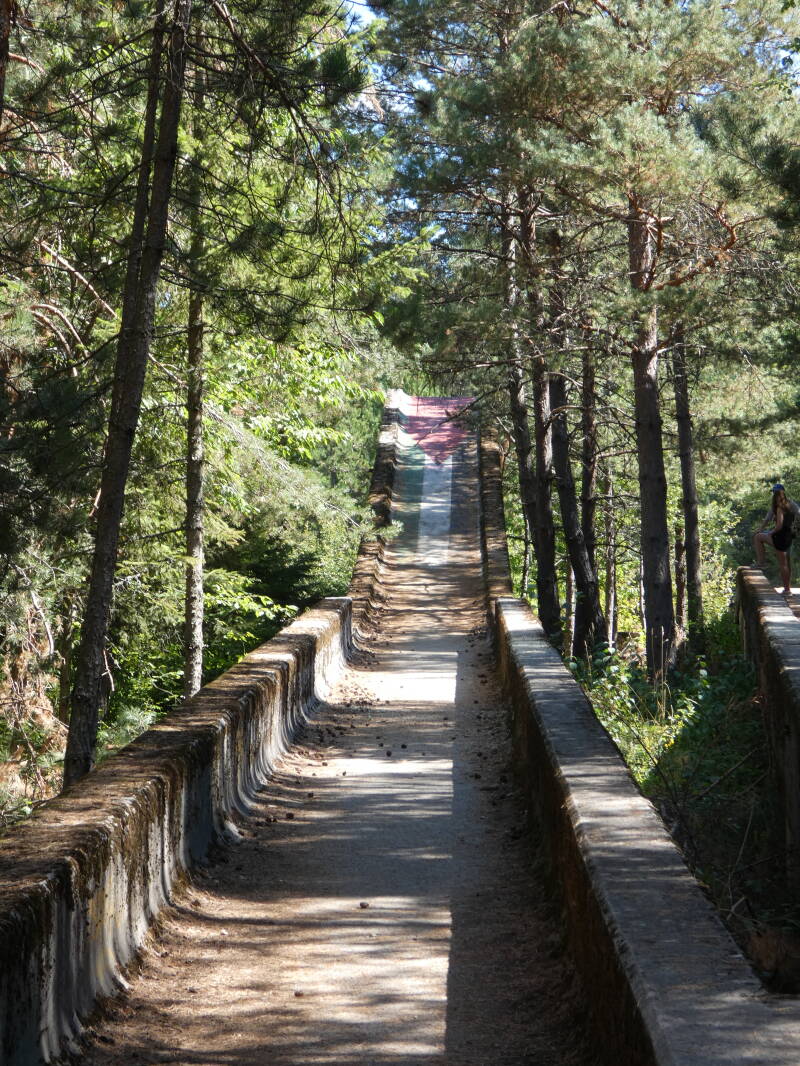
Old bobsleigh run
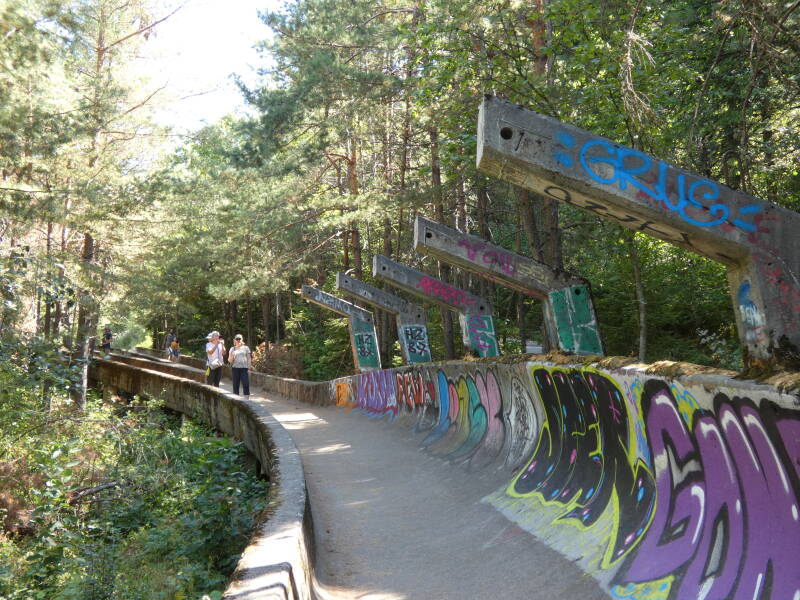
Old bobsleigh run
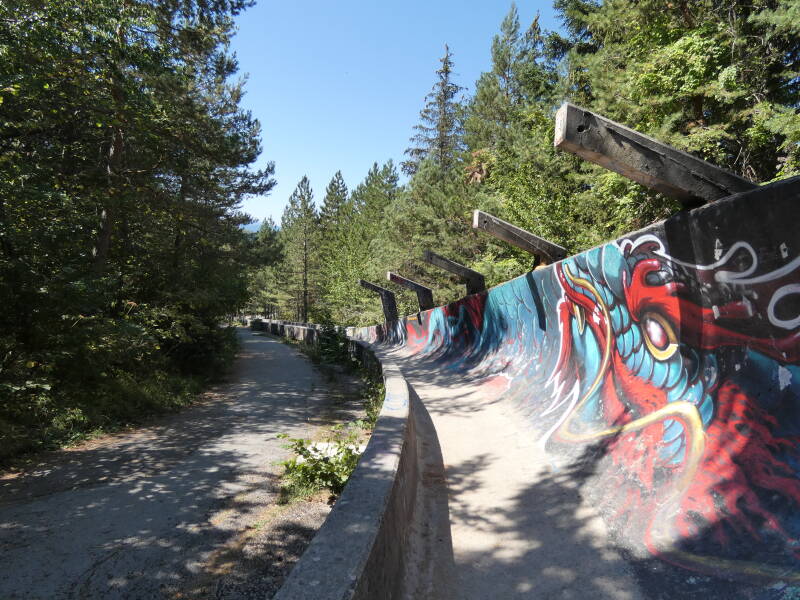
Old bobsleigh run
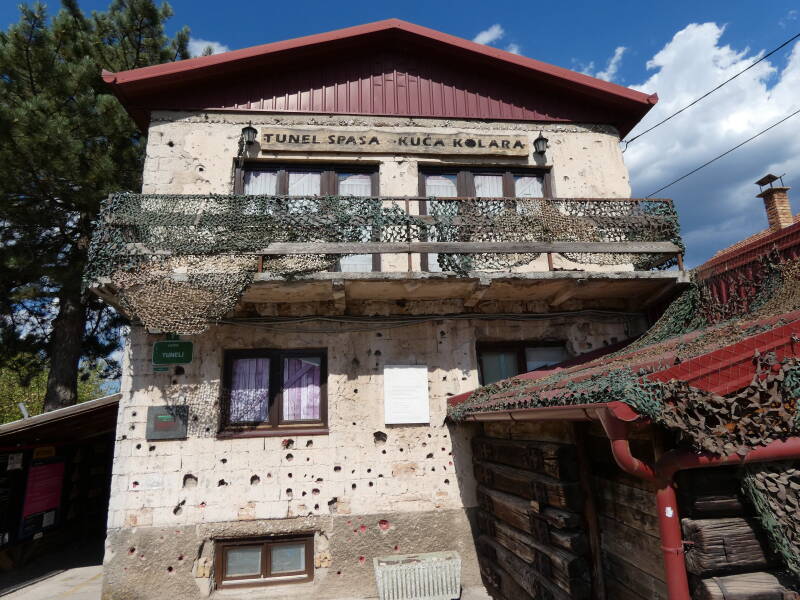
House where tunnel under the airport was started, complete with bullet holes
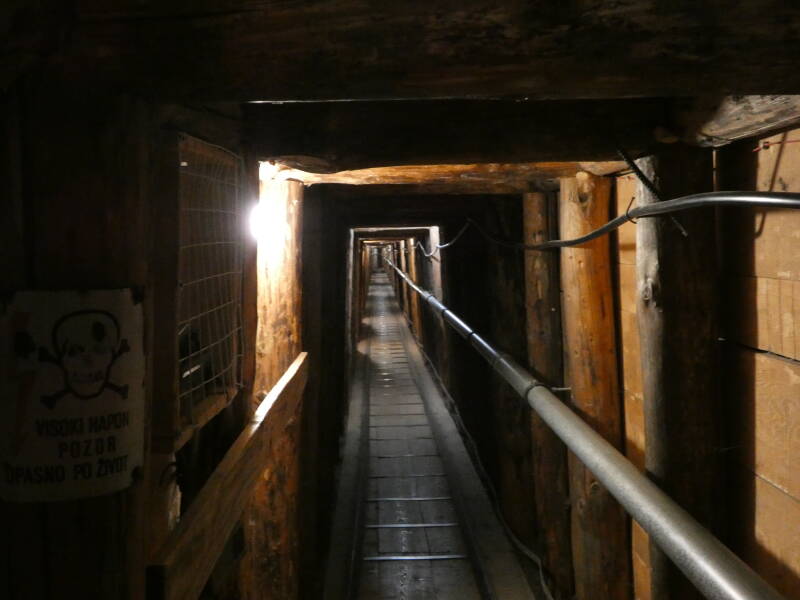
Tunnel of hope
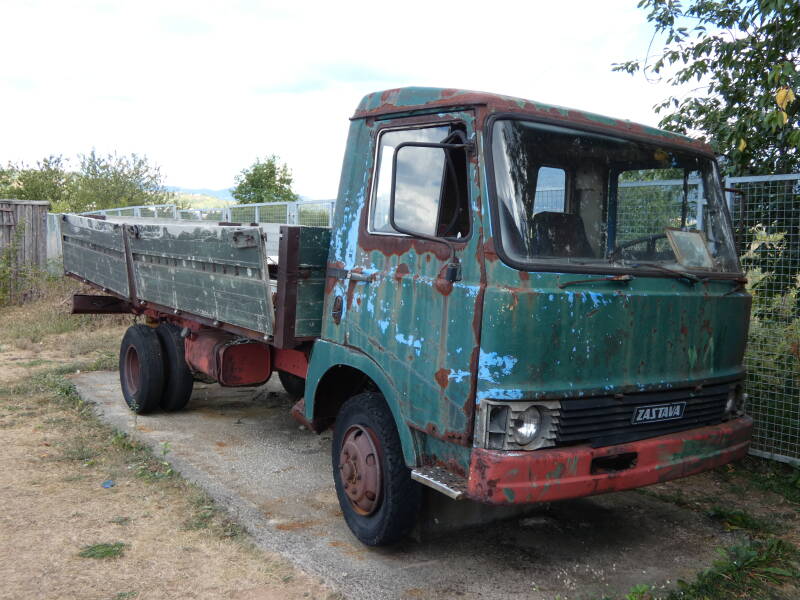
Old truck used to carry weapons to the tunnel
Create Your Own Website With Webador