Day 7 4 Sep - Rail journey to Mostar, and exploring the city

Photo above - me by Stari Most in Mostar. More photos to follow
Train south through the mountains
Left the hotel at 6.30am, and got a taxi round to the station, where we caught the 7.15am train south to the town of Mostar. Once out of the city, the train made it's way slowly through the valleys and wooded mountain slopes of the Dinaric Alps. Lots of small alpine style villages, lots of tunnels, and great views across valleys and up to the high surrounding peaks. For a long time we followed the course of a river down the mountain which was dammed at several points, presumably for hydro electric power. The journey was only about 45 miles, but took about 2.5 hours due to the terrain.
Mostar
The train took us from the Bosnia region to the Herzegovina region, and arrived in Mostar shortly after 9.30am. We got a taxi to the hotel to drop off our luggage and then set off to explore the city.
Set in the Herzegovina region, Mostar, with a population of 115,000, still bears visible scars from the 18-month siege it endured during the civil war of the 1990s. Yet despite its turbulent history, the city now has a relaxed, welcoming atmosphere. The Ottoman influence is still strong in the cobbled lanes, historic mosques and traditional architecture. There are still a lot of buildings that have been left as empty shells following the war, and still more with bullet holes, and damage from shells and shrapnel. We explored the old bazaar, visited a mosque, and wound our way through the heart of the city to one of Bosnia and Herzegovina's most iconic landmarks, Stari Most (Old Bridge).
Iconic bridge, and a jumper
Spanning the Neretva River, with it's unique half circle shape, the bridge once connected the city’s Muslim east bank with the predominantly Christian west. Destroyed during the Balkan conflict and later rebuilt, the UNESCO-listed Stari Most stands today as a powerful symbol of unity, reconciliation and cultural heritage. At it's highest point, it is about 27m above the river, and locals take money from tourists to see them jump off the bridge into the river below. As we were eating in a cafe overlooking the bridge, a couple of people did jump off, one with a sickening thud as he hit the water, but he was ok.
Memorial to the partisans
After lunch we retired to the hotel out of the 38c heat. Later I walked about 20 minutes north out of the city to visit the Mostar Partisans Cemetery Memorial. This was built in the early 1960s to honour Yugoslav partisans who fought against the Nazis in WW2. Unfortunately, it was neglected during the Bosnian war and later it has been targeted by neo fascists who have destroyed every gravestone there. Local residents are trying to maintain it and stop it from being systematically destroyed.
Later went back into the old town for some beer and ice cream! Tomorrow, we travel by road back into Croatia to visit Dubrovnik, then continue by road to our next country, Montenegro.
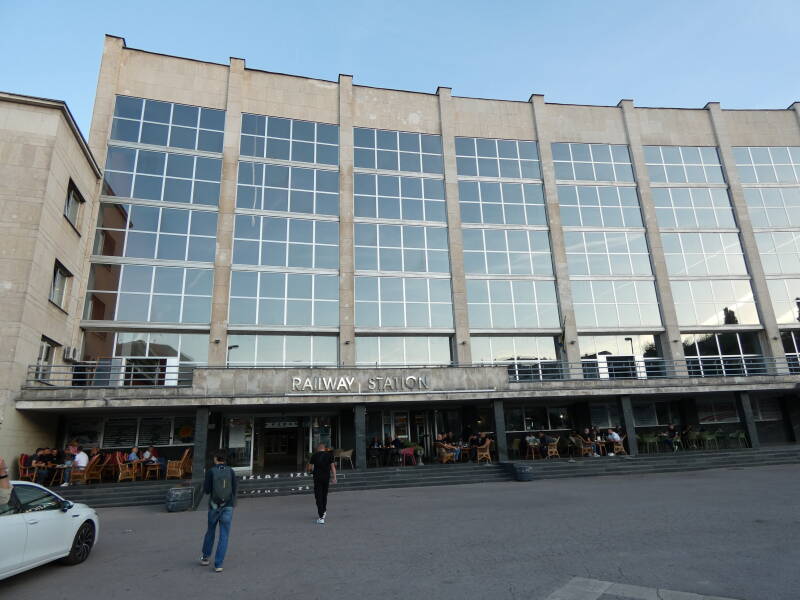
Sarajevo station
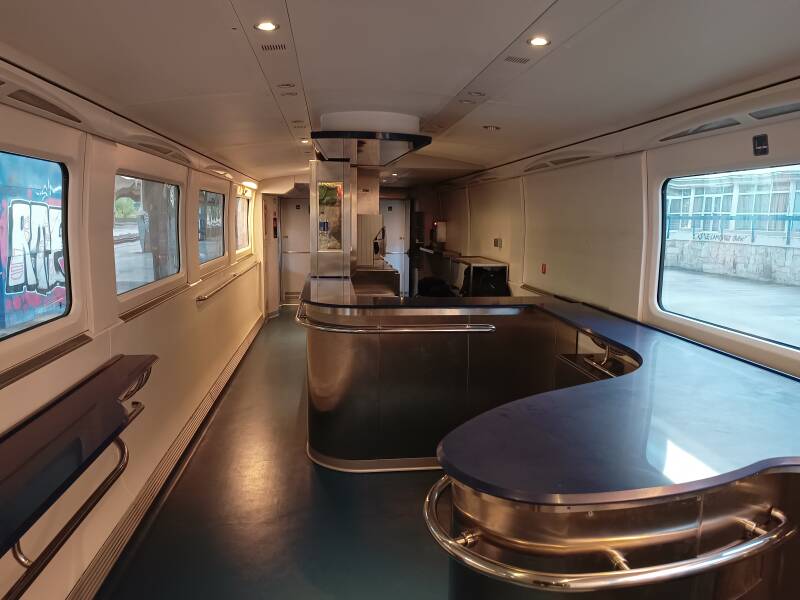
Used to be a buffet car, but now passengers who cannot find a seat stand in here
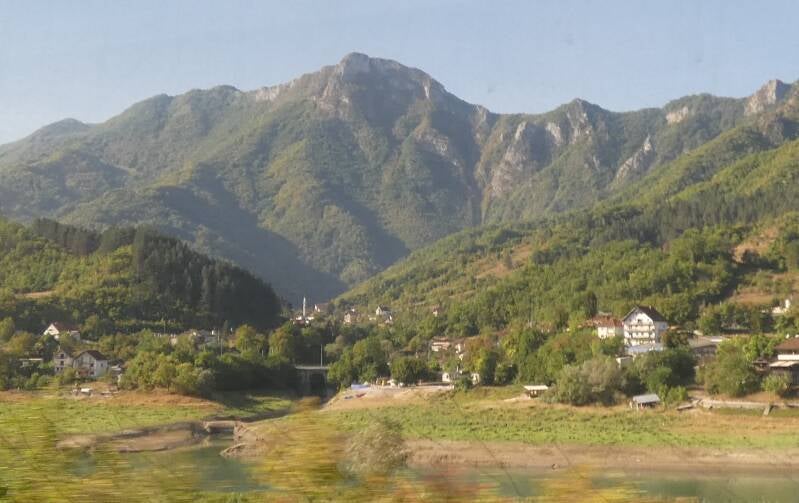
Typical view out of the train window
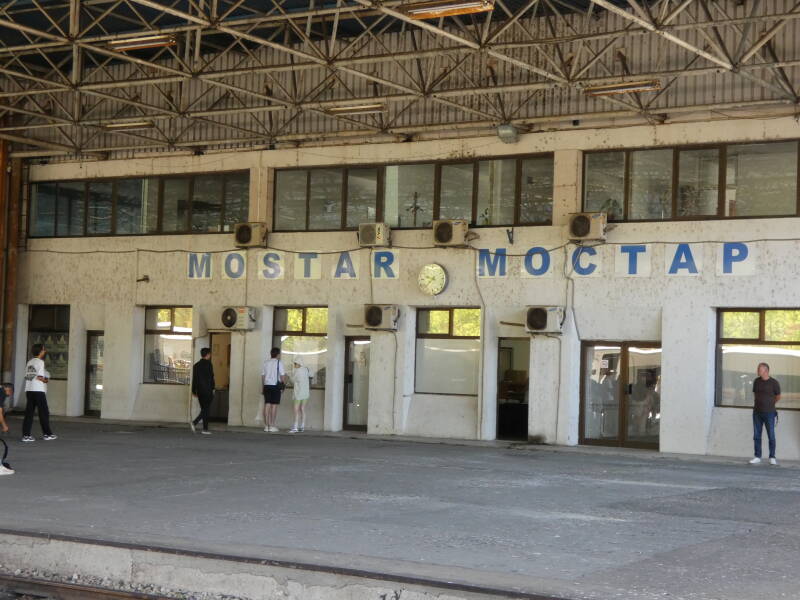
Mostar station
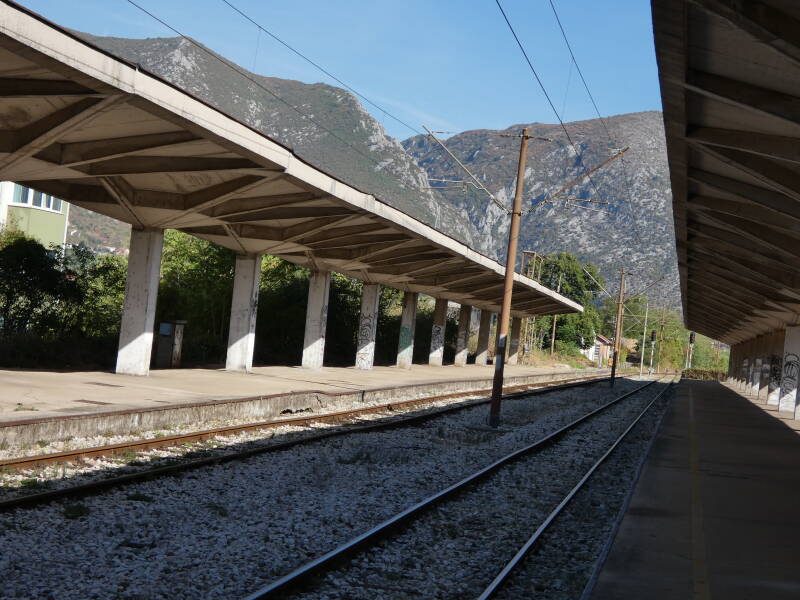
Mostar station
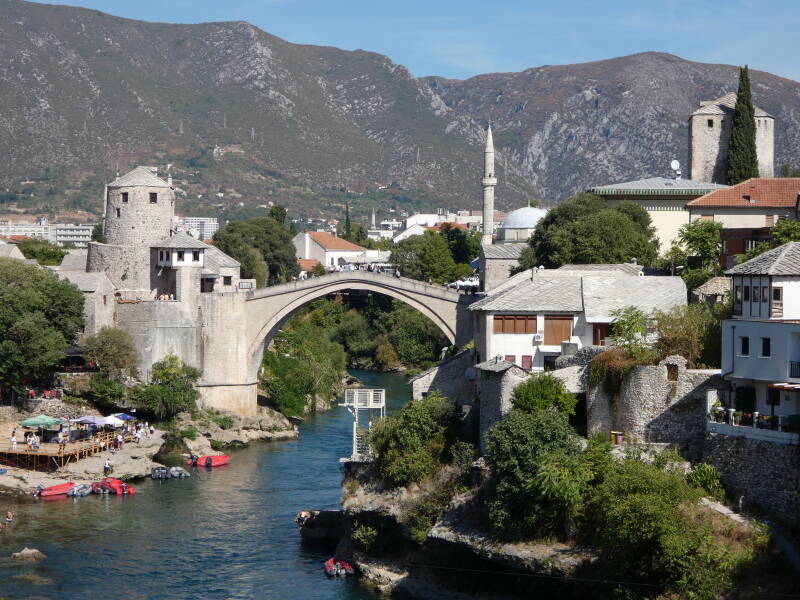
Stari Most first sighting
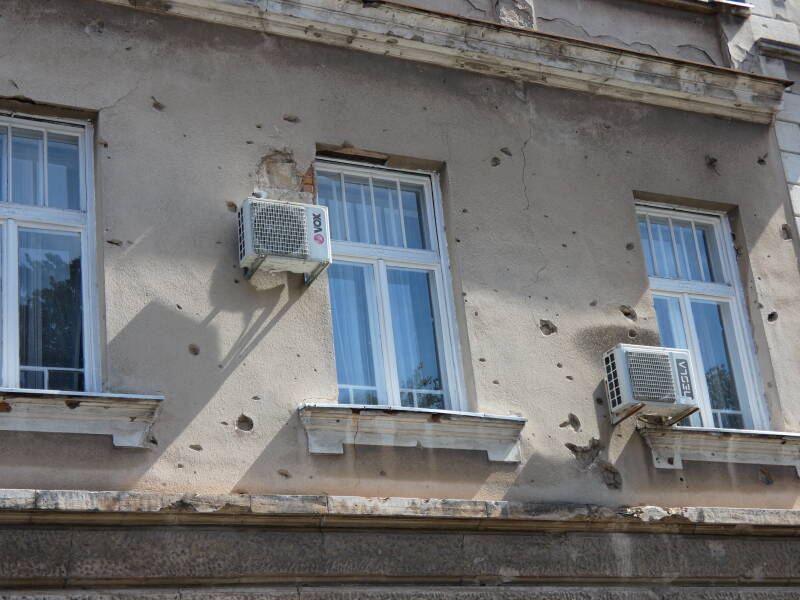
Bullet holes from the civil war
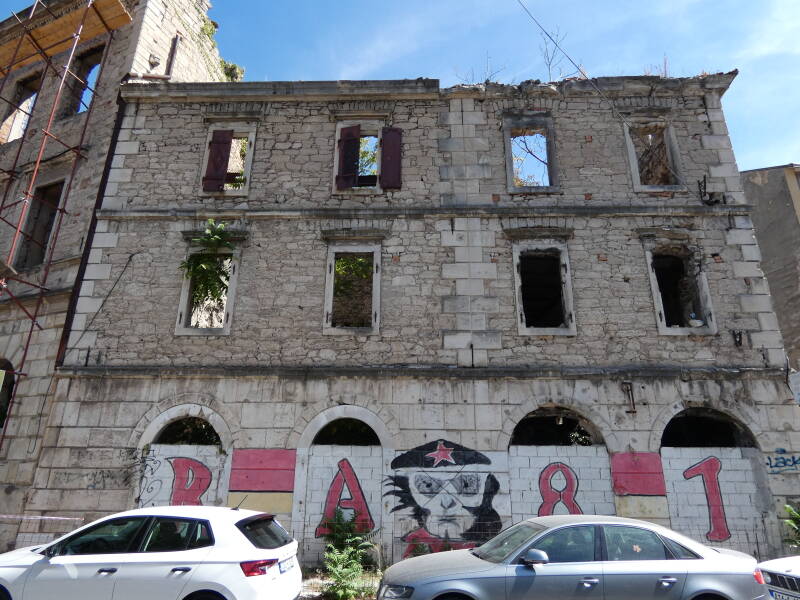
Bombed out building from the civil war
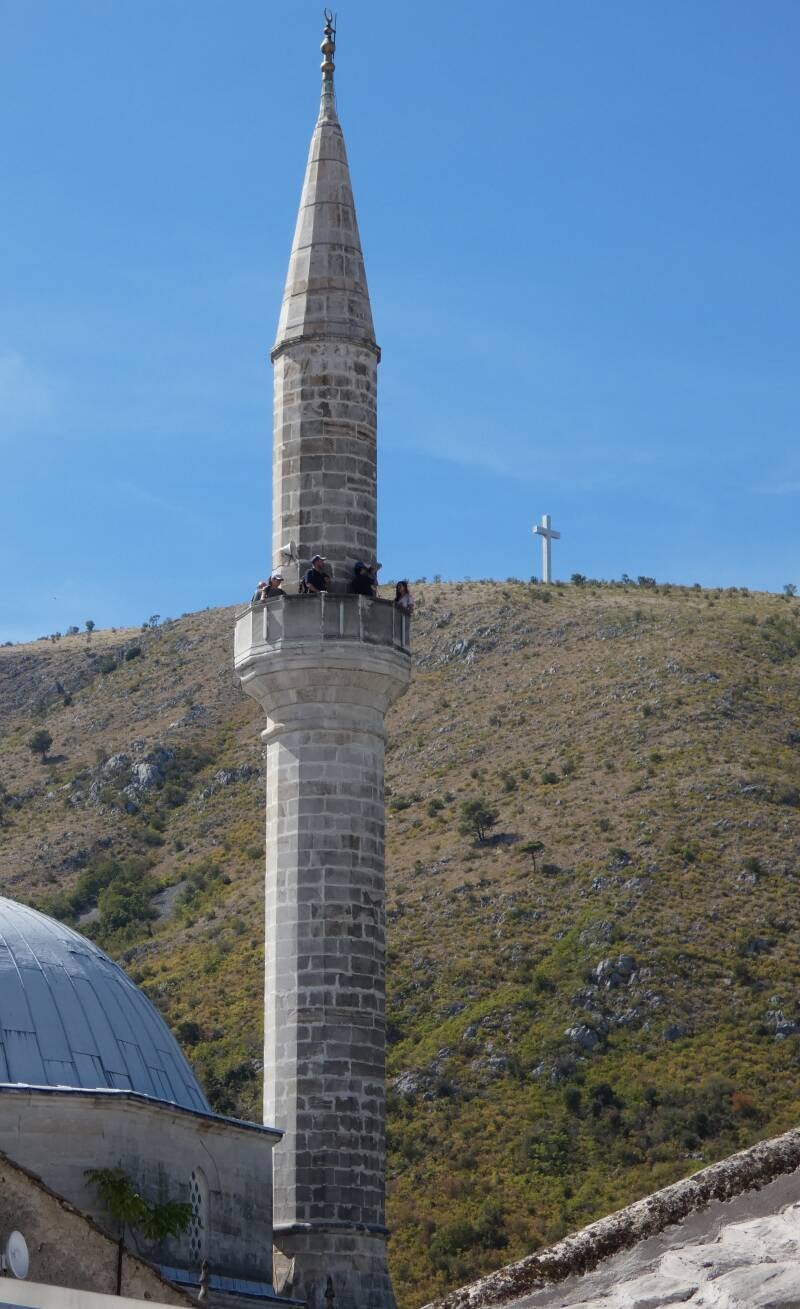
Mosque minaret and Christian cross
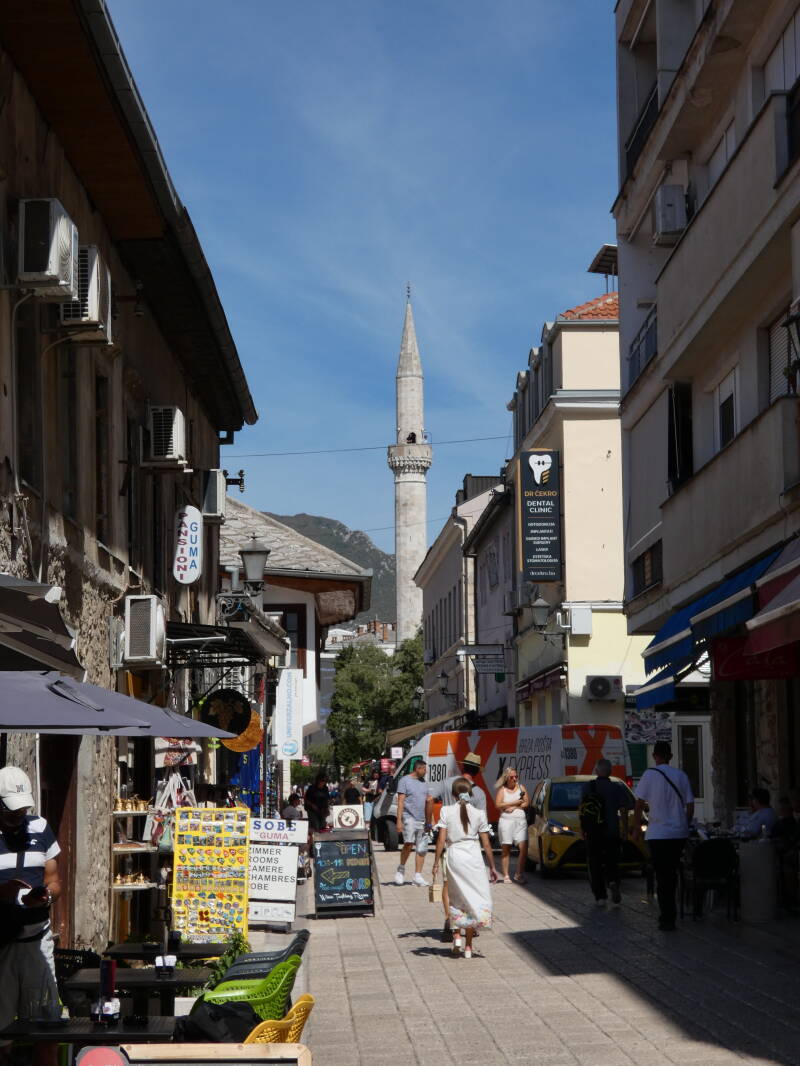
Mostar old town
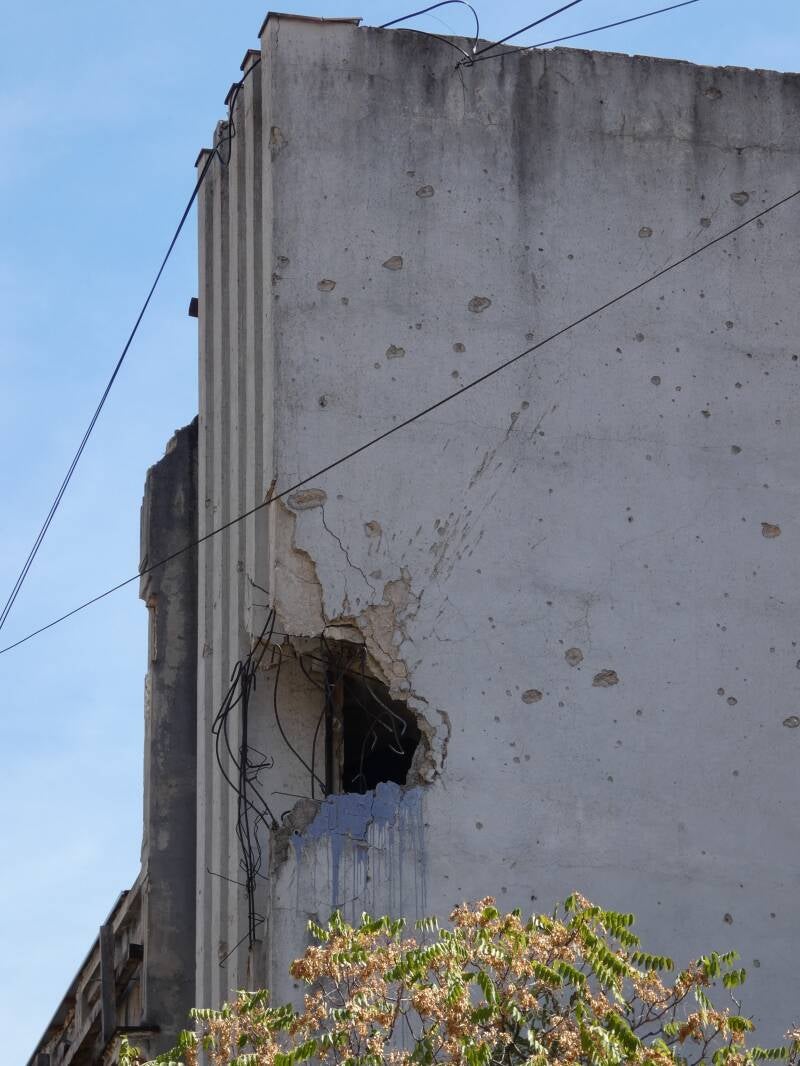
Shell damage from civil war
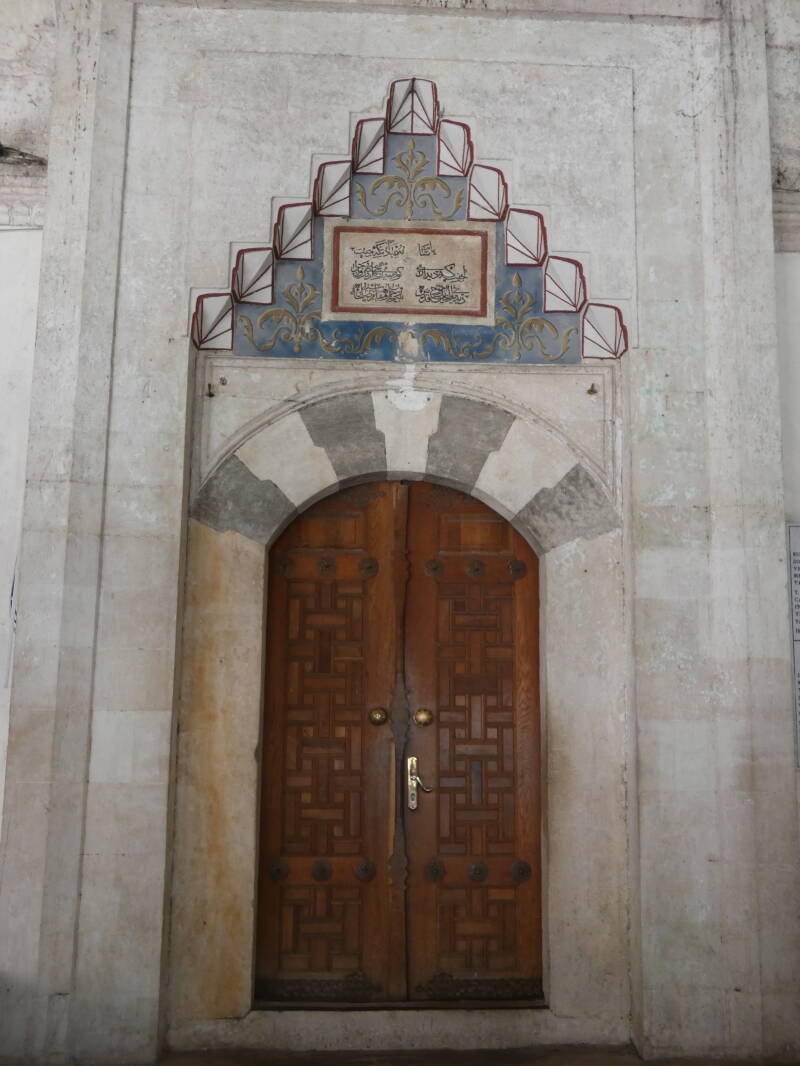
Mosque door
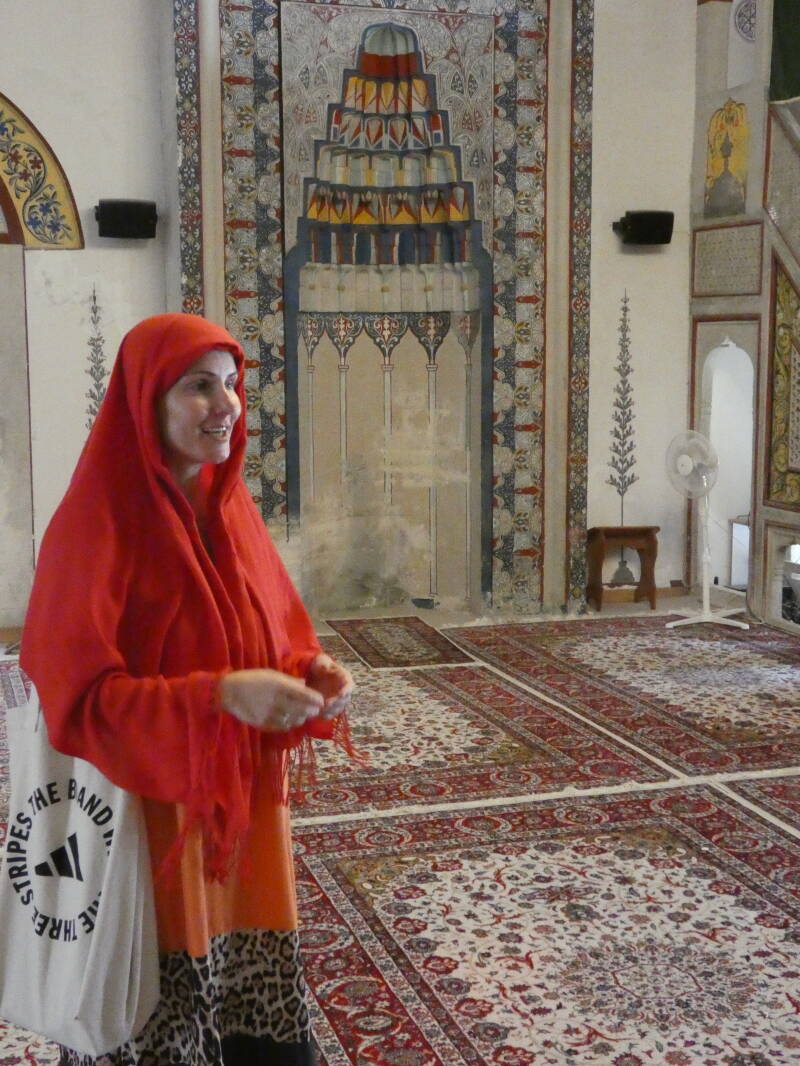
Inside the mosque
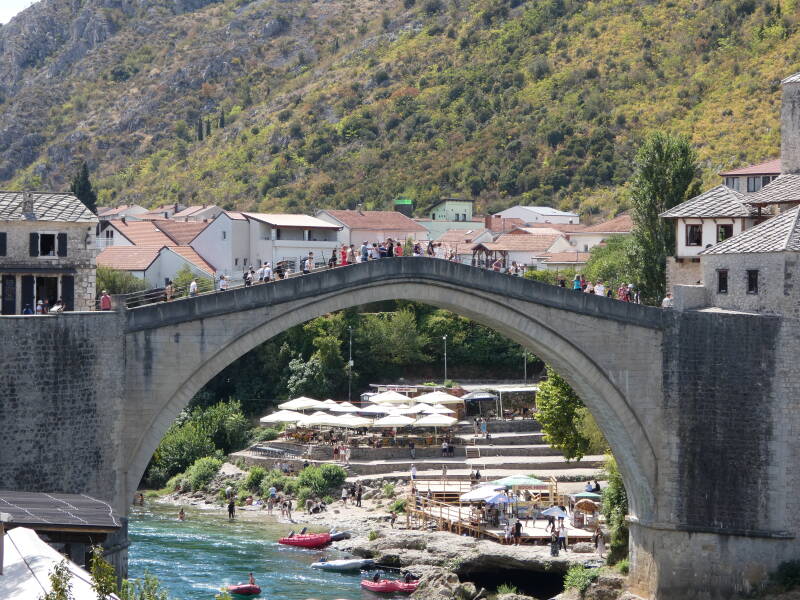
Stari Most
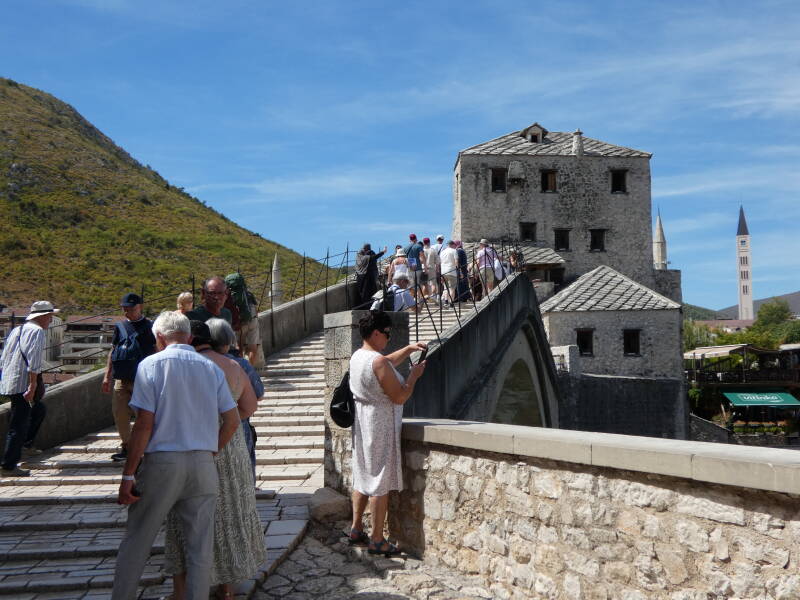
Stari Most
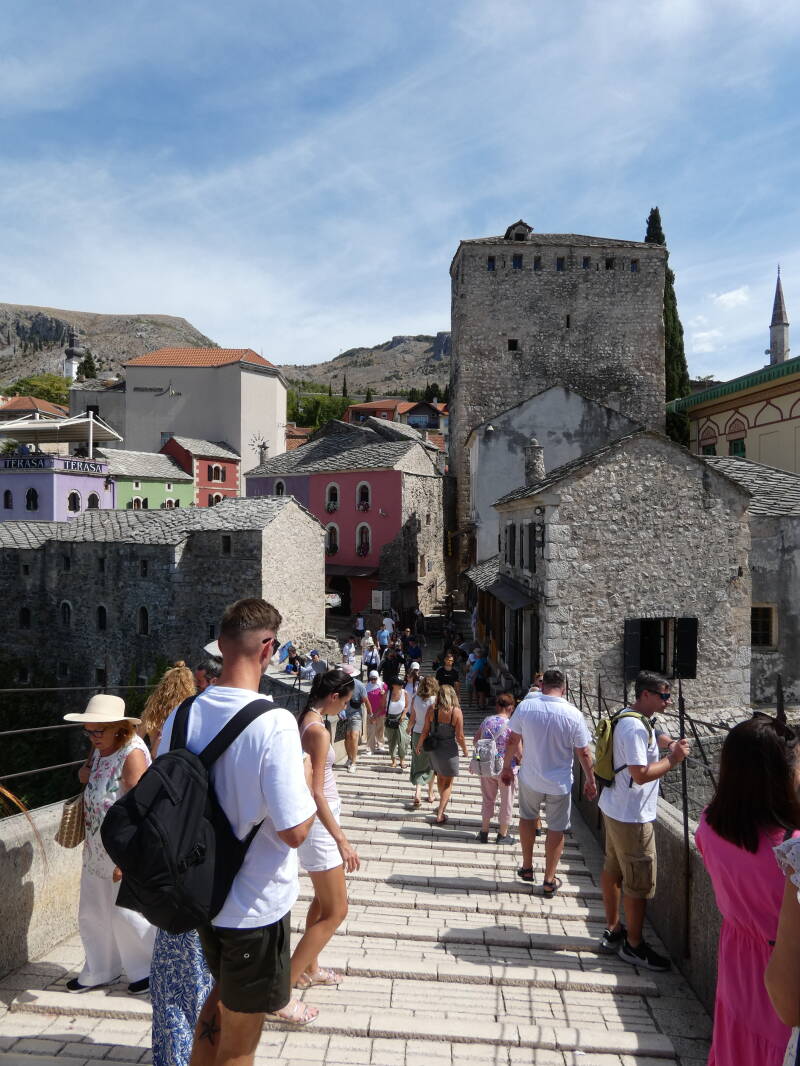
Stari Most
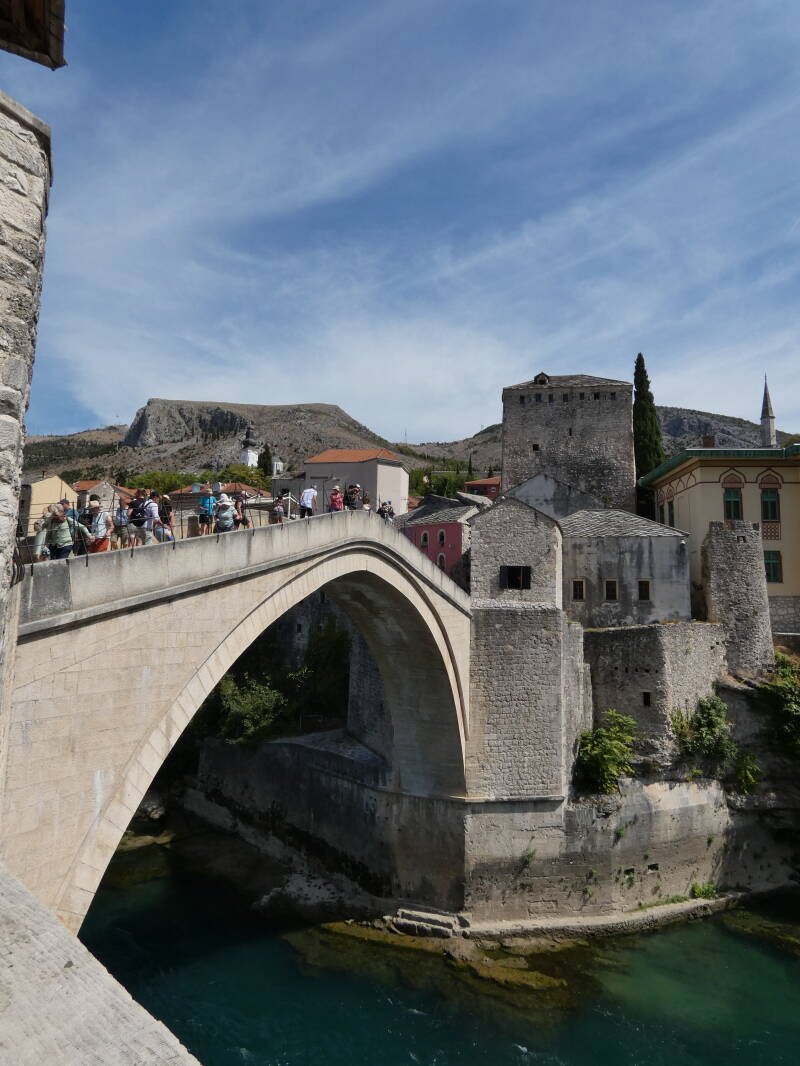
Stari Most
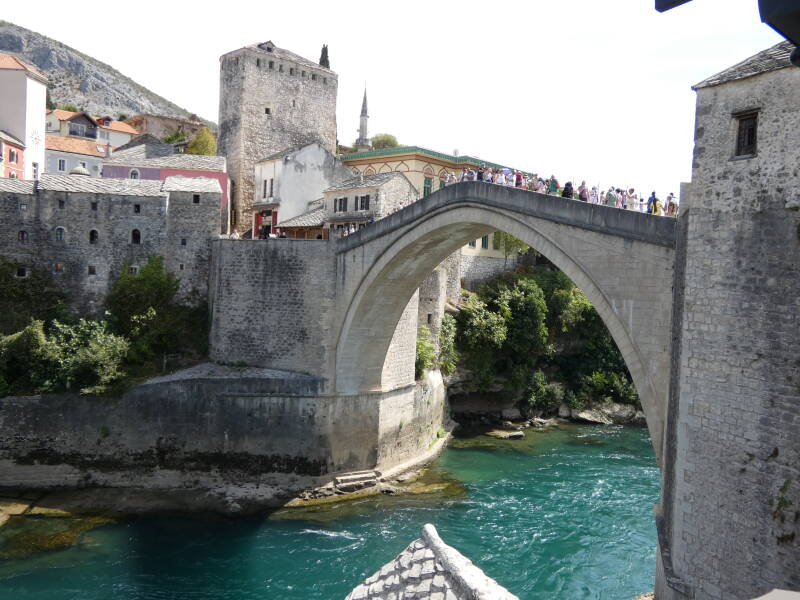
Stari Most
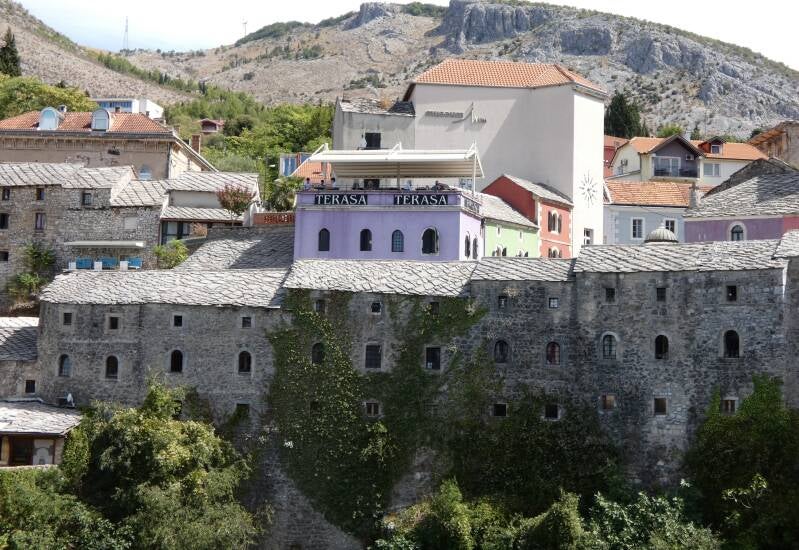
Mostar old town
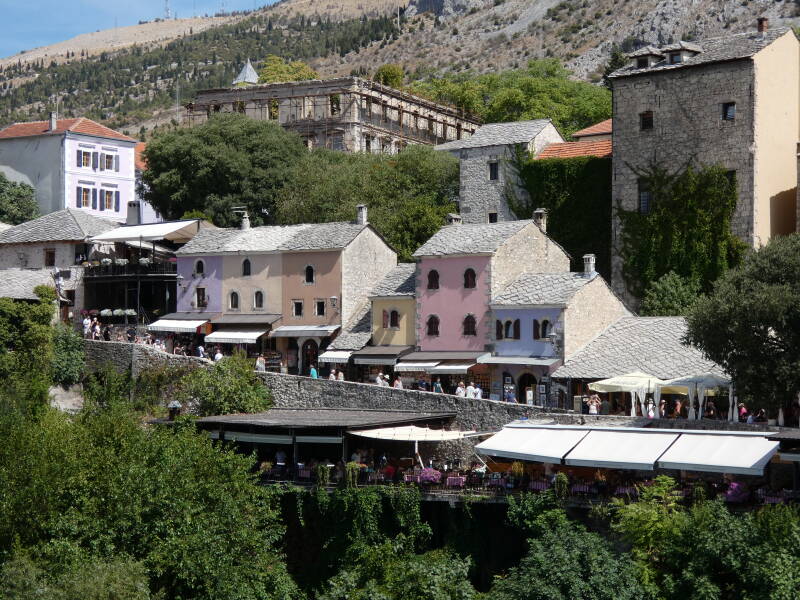
Mostar old town
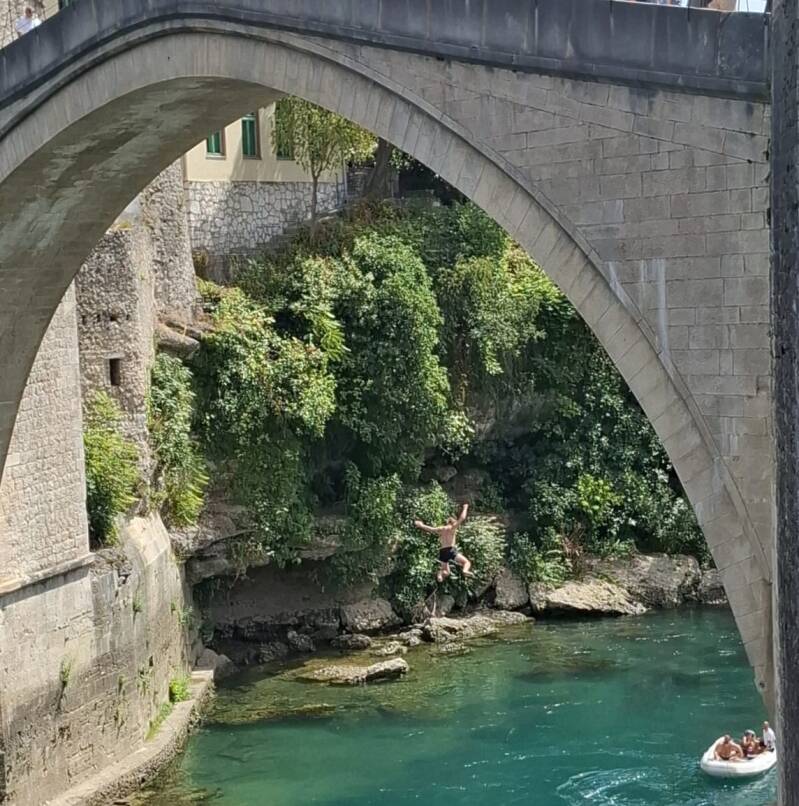
A jumper from Stari Most
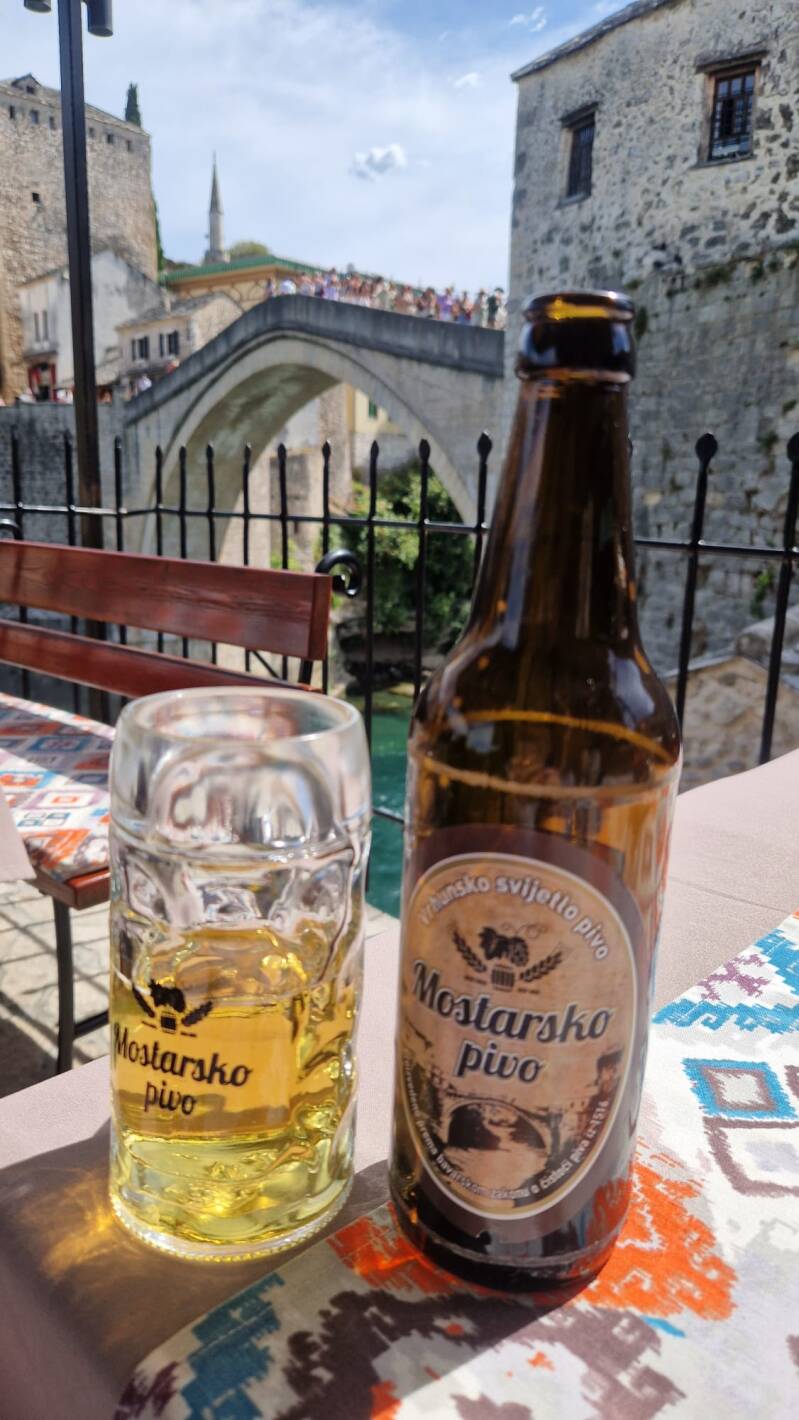
Stari Most beer in view of Stari Most
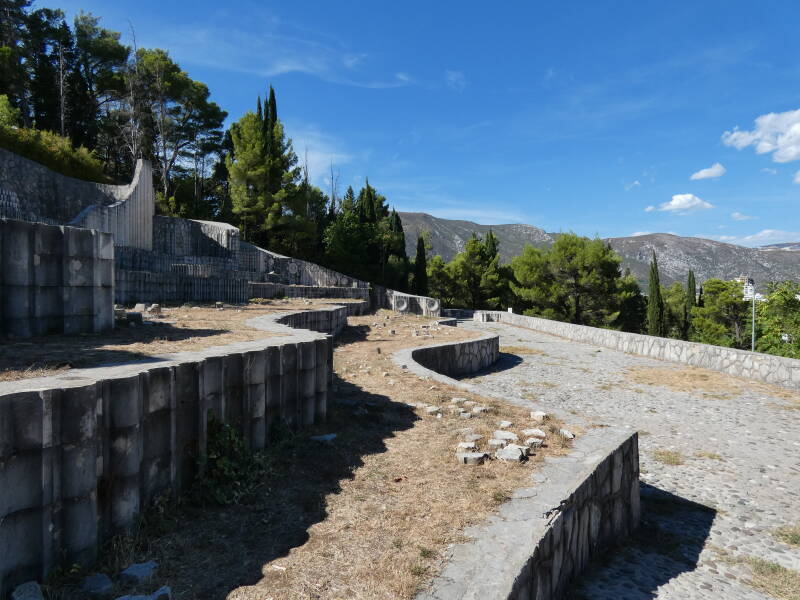
Mostar Partisans Cemetery Memorial
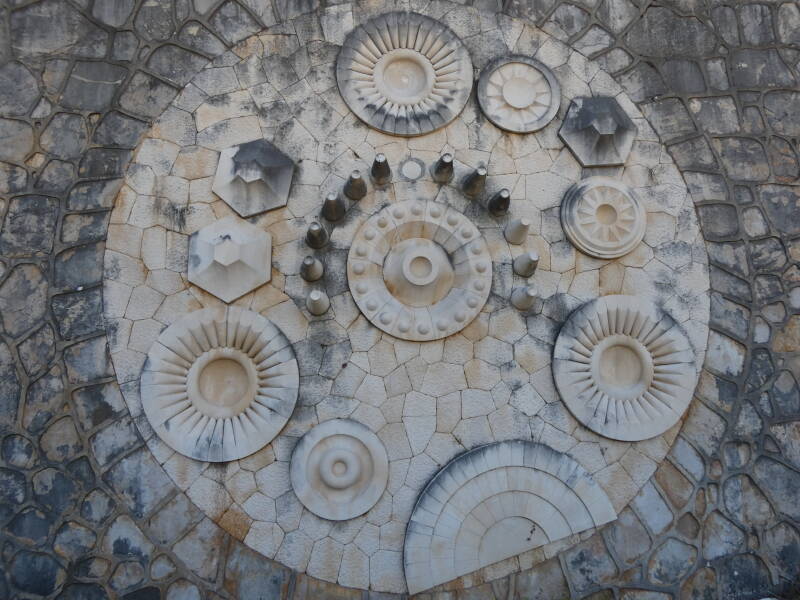
Mostar Partisans Cemetery Memorial
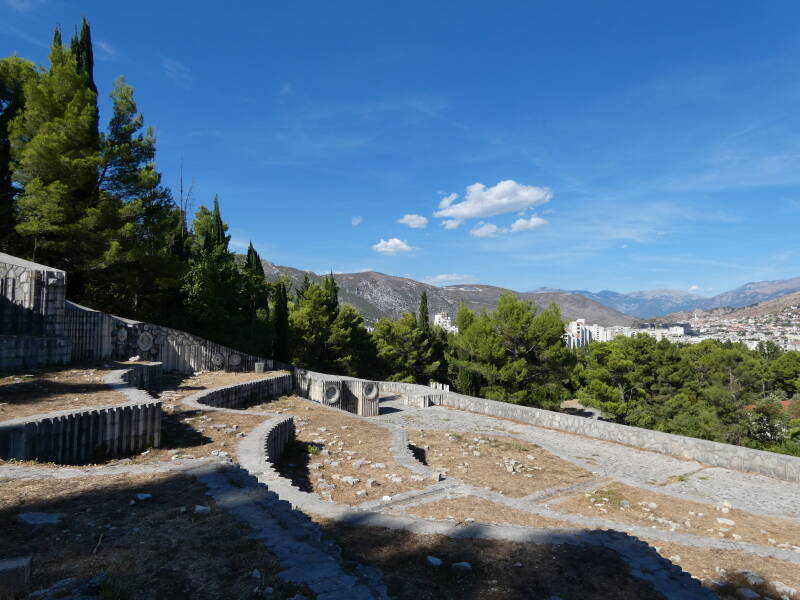
Mostar Partisans Cemetery Memorial
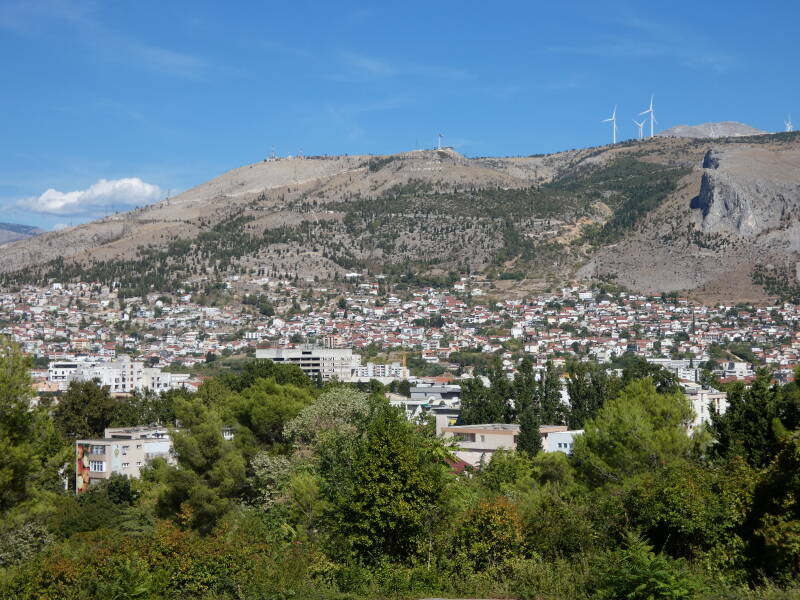
View from Mostar Partisans Cemetery Memorial
Create Your Own Website With Webador