Day 18 - 10 Oct Flight to Easter Island, one of the remotest places on Earth

Photo above - rocky coast of Easter Island at Hanga Roa.
Early start to commence the journey to Easter Island
An exciting day today. I am flying out to Easter Island. Left the hotel at 5am for the 20 minute drive to the airport. The flight takes about five hours to cover the 2340 miles to Easter Island.
We had to get loads of supporting documentation to support the visit and passage through the airport. This included completion of a registration form, proof of booked accommodation, proof of return flight, proof of payment for entrance to the national park which is how the island is considered. Also had to show passports despite the island being part of Chile. This is all meant to enable control of numbers visiting the island.
Flight across the Pacific Ocean to a tiny dot on the map
Managed to get through all these preliminaries, ahead of the 9.30am flight. Clearly the vast majority of the flight is over the sea, so settled down for an uneventful flight with no views! Within 15 minutes we were flying out over the Chilean coast and out over the Pacific Ocean. We flew for about an hour over thick cloud cover, but after that the clouds broke up, and it was blue sea and blue sky all the way. On approach to the island, web suddenly tan into thick cliud having had hours of blue sky! We finally landed at the tiny airport, to dry, bright weather with high clou
On arrival we were picked up to take us to our hotel in the main village of Hanga Roa. On the runway there was a local band to serenade us as we got off the plane!
About Easter Island
Easter island is a remote volcanic island in the Polynesian Triangle, within the Pacific Ocean. It is the only territory in Polynesia where Spanish is the official language. It is a Chilean territory, and has a permanent population of about 7,800. It covers an area of just 63 square miles, and is considered to be the third remotest place on Earth after Tristan da Cunha Island which has a population of just 250 and with no airport lies a six day ship ride from South Africa, and Pitcairn Island which has a population of 50 and lies 3,100 miles from the nearest mainland.
Known by its inhabitants as Rapa Nui, Easter Island was discovered by the Dutch on Easter Sunday 1722 (hence its European name), but the inhabitants of this remote and dramatic island called it Rapa Nui. Today it remains one of the most remarkable archaeological sites on the planet, renowned for the stone heads, or moai, that pepper the coastline, magnificent and mysterious monoliths that once numbered some 800 in all and now lie as silent and broken sentinels, looking out across the deep waters of the Pacific.
In the late 1800s, Chile made a claim to the island, and the population were forced to live in the main settlement of Hanga Roa, whilst the rest of the land was leased to a sheep farm. In 1987, the Chilean government made it possible to grant Chilean citizenship to the indigenous people, along with the right to vote.
First hours on Easter Island
The drive to our hotel which is in the main village, Hanga Roa, took about 3 minutes, and half of that was getting out of the one plane per day airport! This laid back place is the main town, harbour, and administrative centre of the island, and is where the vast majority of the population live.
After settling in to our hotel, we wandered out of the hotel, passed the airport entrance, and turned right on to the main street, which is a quiet tarnaced road, with some houses, an occasional shop, a naval barracks, some palm trees and some hills in the distance! The side roads are often dust roads, the other streets are tarmac, but have potholes etc. there are a few cars around, a few mopeds and small motorbikes. There are very few people. I was pleasantly surprised to see that the ratio of locals to tourists is 50/50.
A tranquil place to end this trip before heading home in a few days
The atmosphere of the place is so laid back. Absolutely no rushing around, very quiet and calm, little traffic. Lots of restaurants, bars, supermarkets and novelty shops, but it is all very low key. We wandered down to the harbour, and a short stretch of road that fronts on to the sea. The coast is rocky here, and the waves are big enough to surf, but there are some natural pools where you can swim safely.
There are a few Maoi heads here but most have been erected fairly recently, however there are a few that are natural and original, and these are the only ones on the island that you can see without a guide for free. We wandered around a nearby cemetery, which had a lot of unusual headstones. Then we retired to a local cafe to have some food, whilst looking over at a nearby Maoi head and the waves crashing against the rocks.
Tomorrow, we spend the day exploring Easter Island/Rapa Nui.
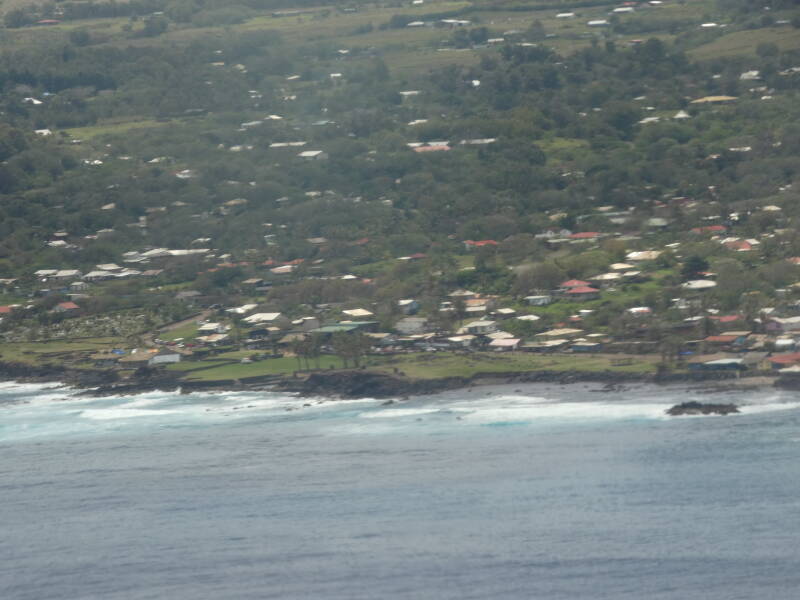
Flying into Easter island
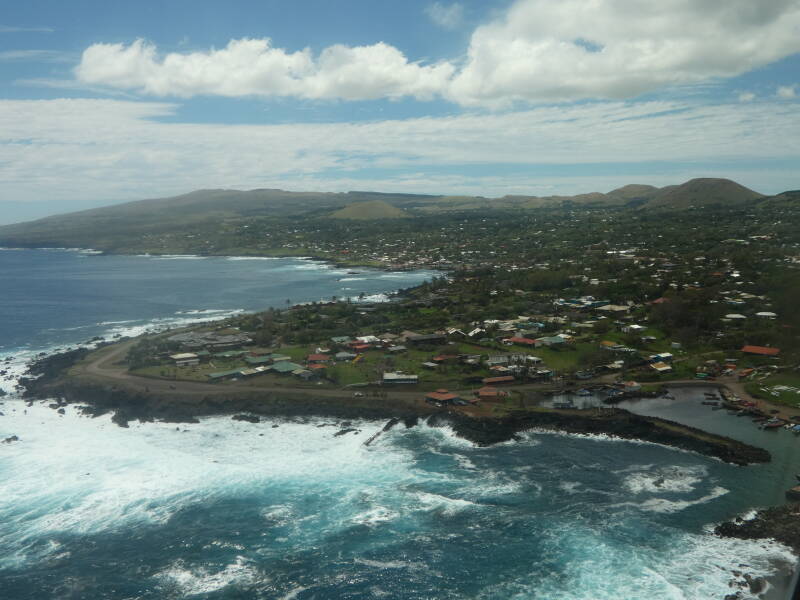
Flying into Easter island
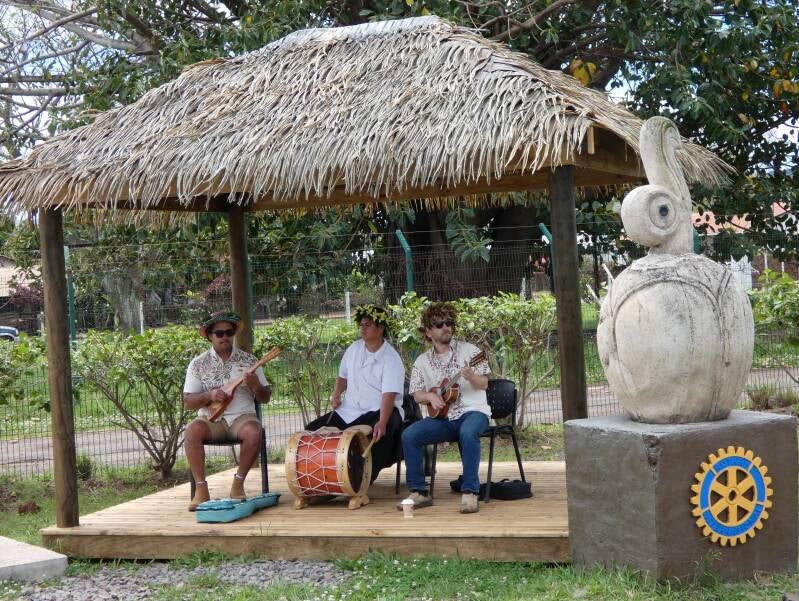
Band playing traditional songs greeting arriving passengers
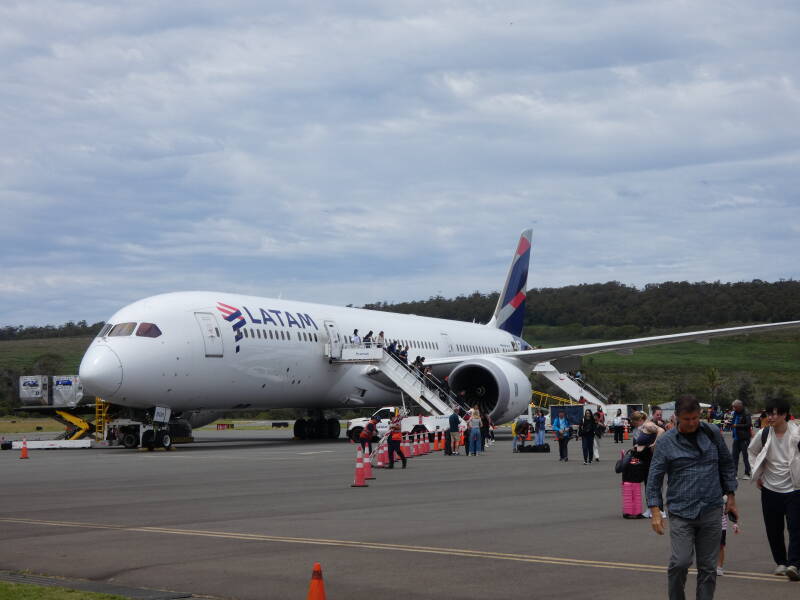
Arriving Hanga Roa airport
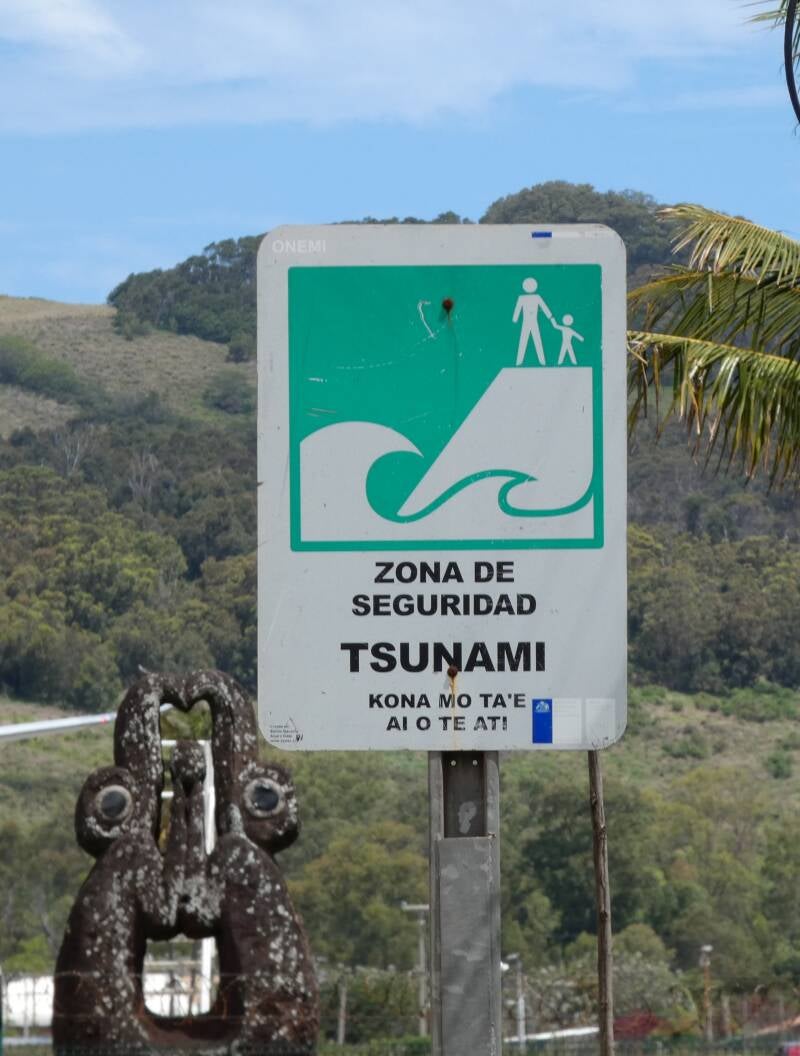
In case of Tsunami, run to the hills
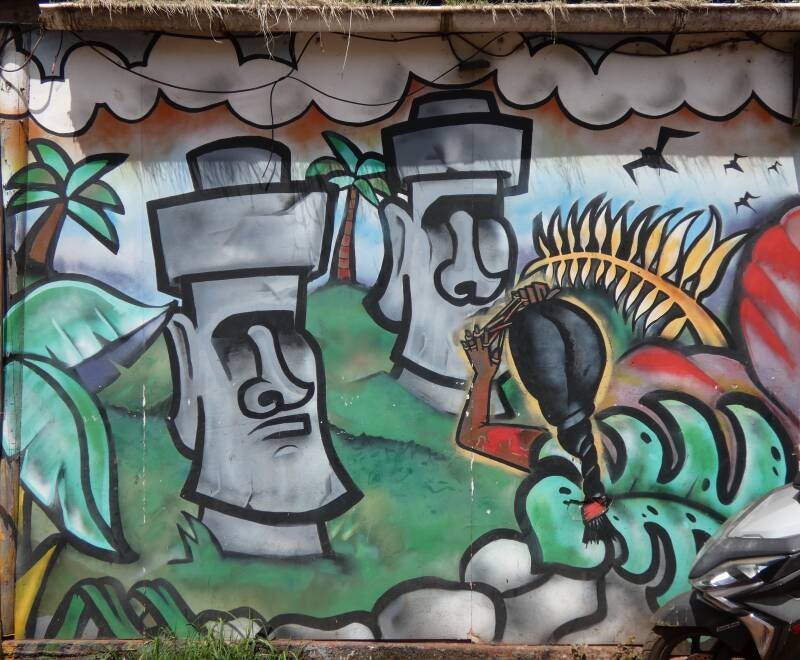
Street art
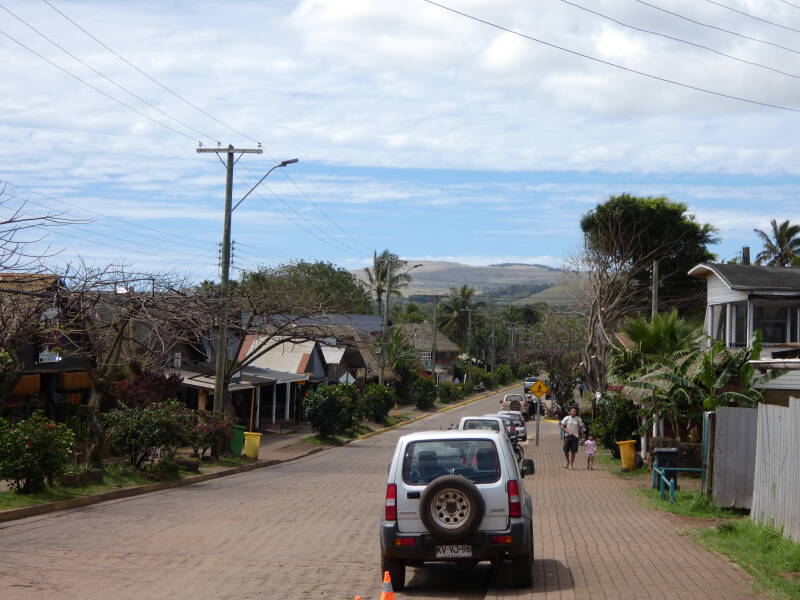
Main town main street....it's not exactly frantic here
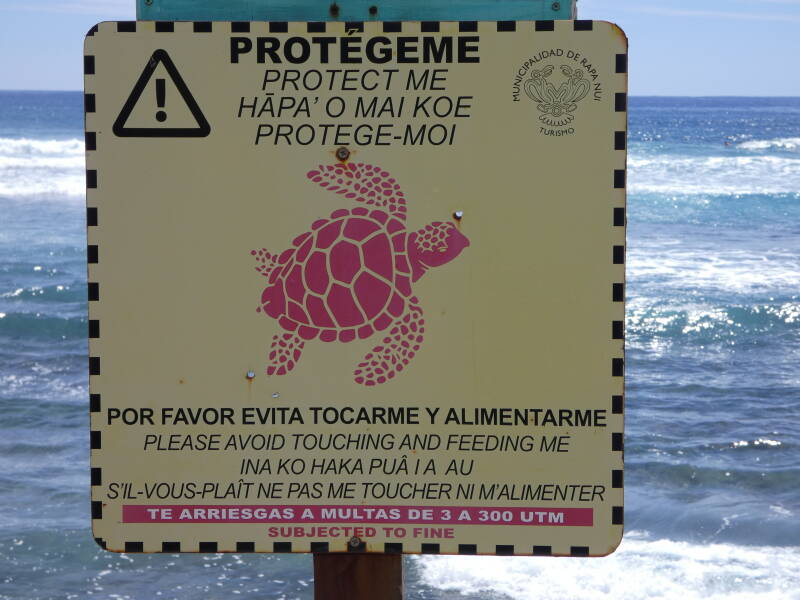
Hanga Roa
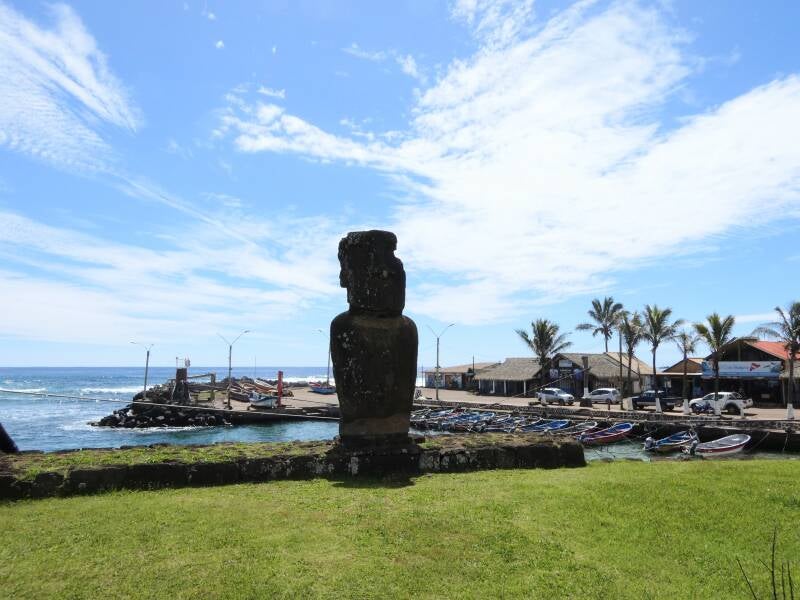
Hanga Roa
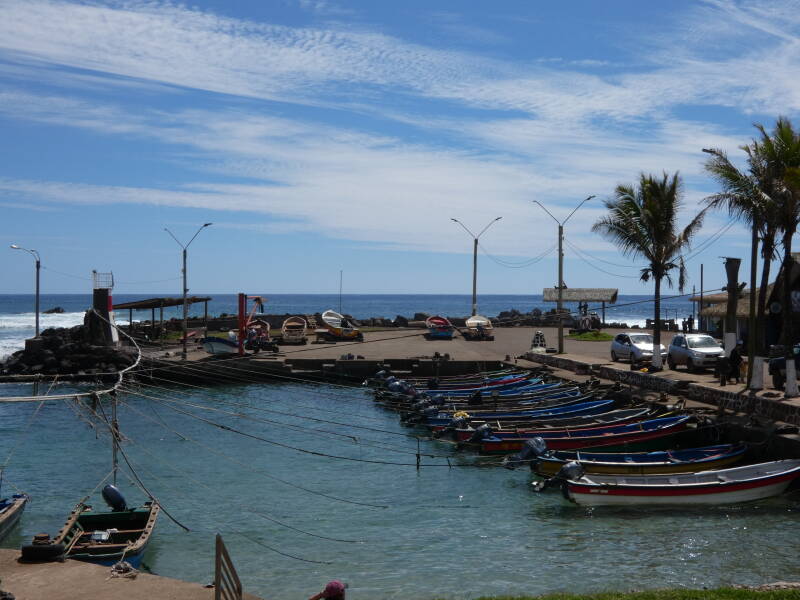
Hanga Roa harbour
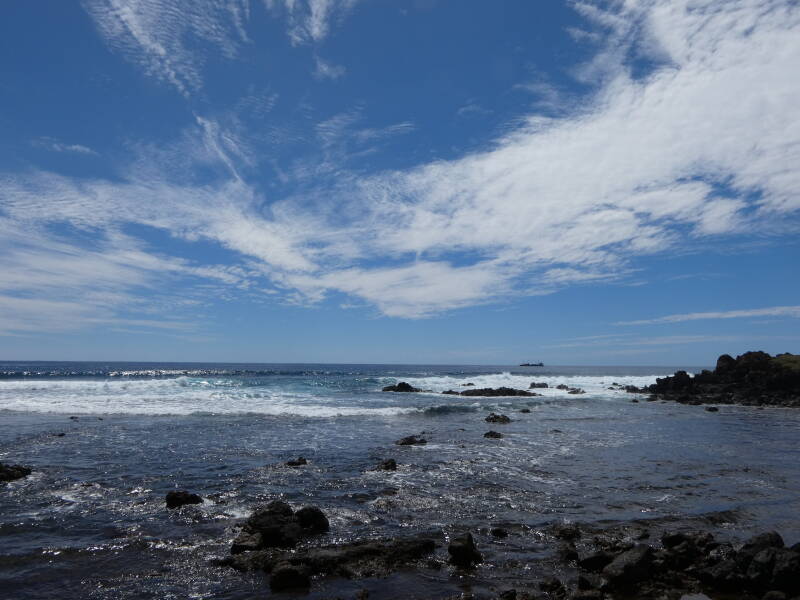
Hanga Roa coastline
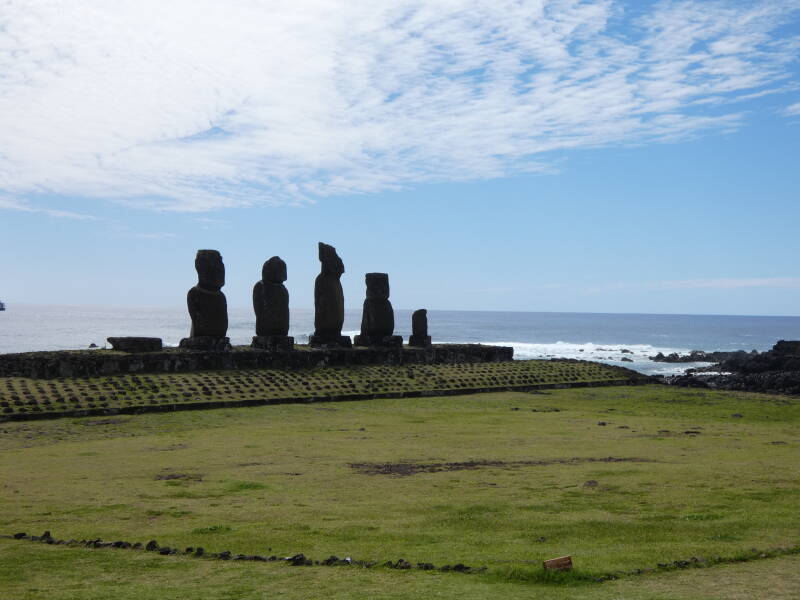
Hanga Roa
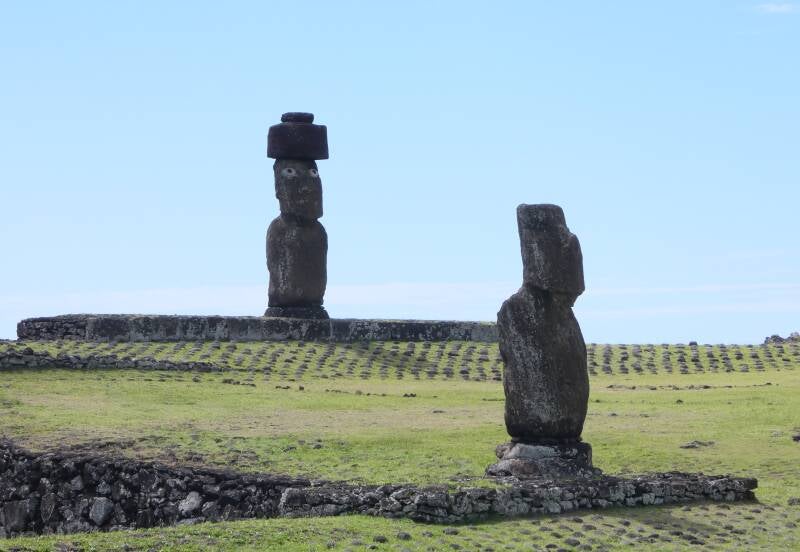
Hanga Roa
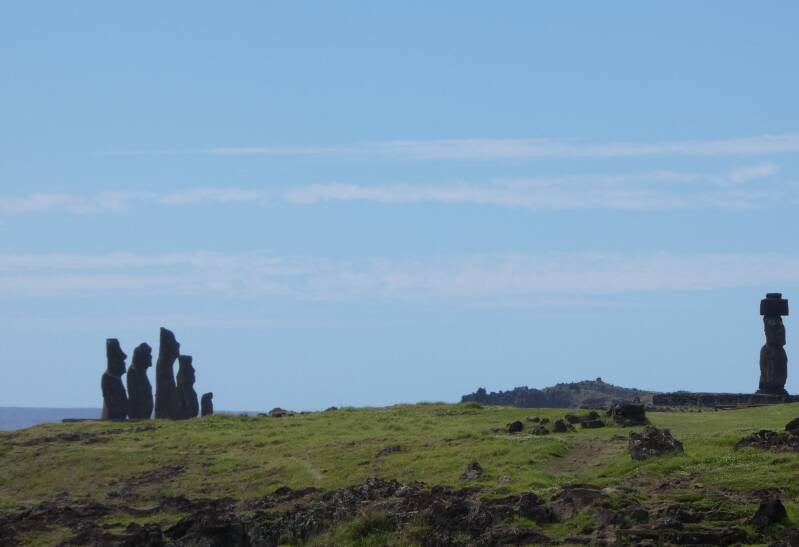
Hanga Roa
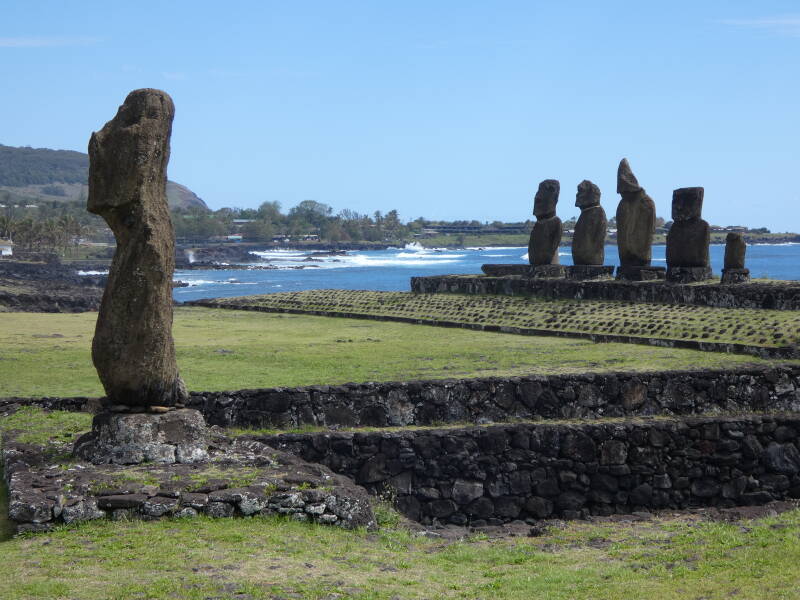
Hanga Roa
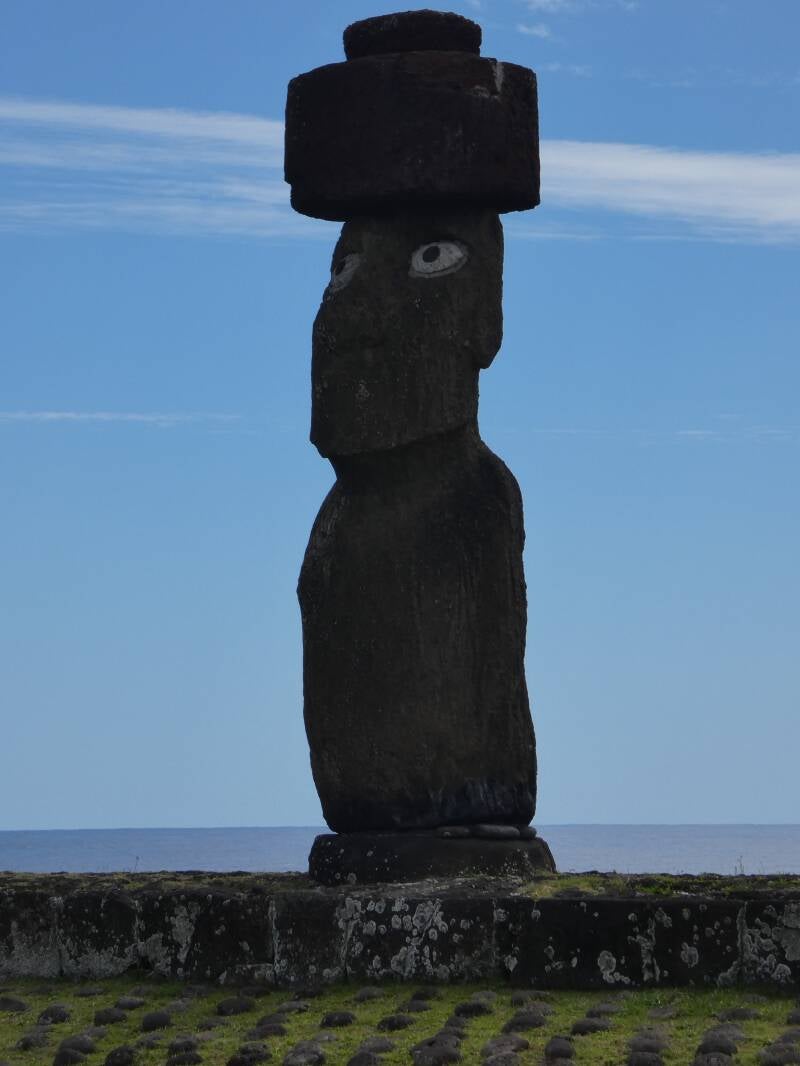
Hanga Roa
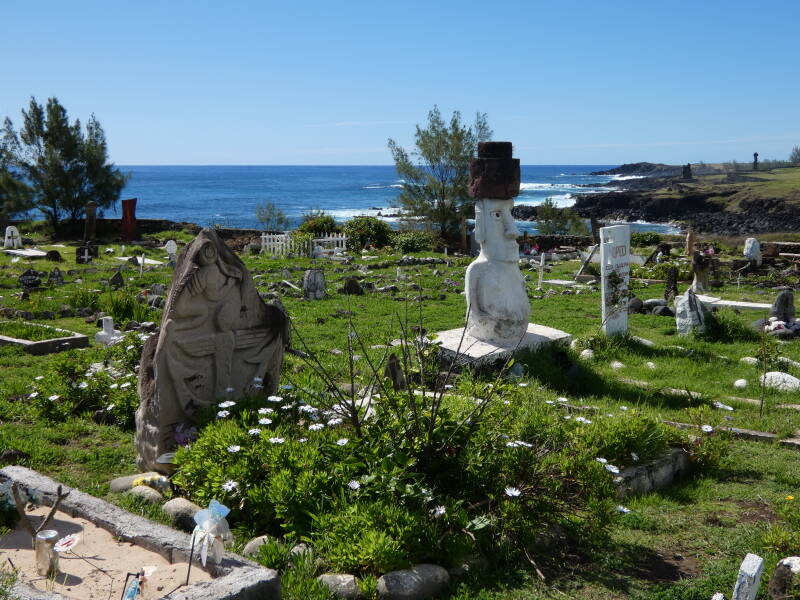
Hanga Roa cemetery
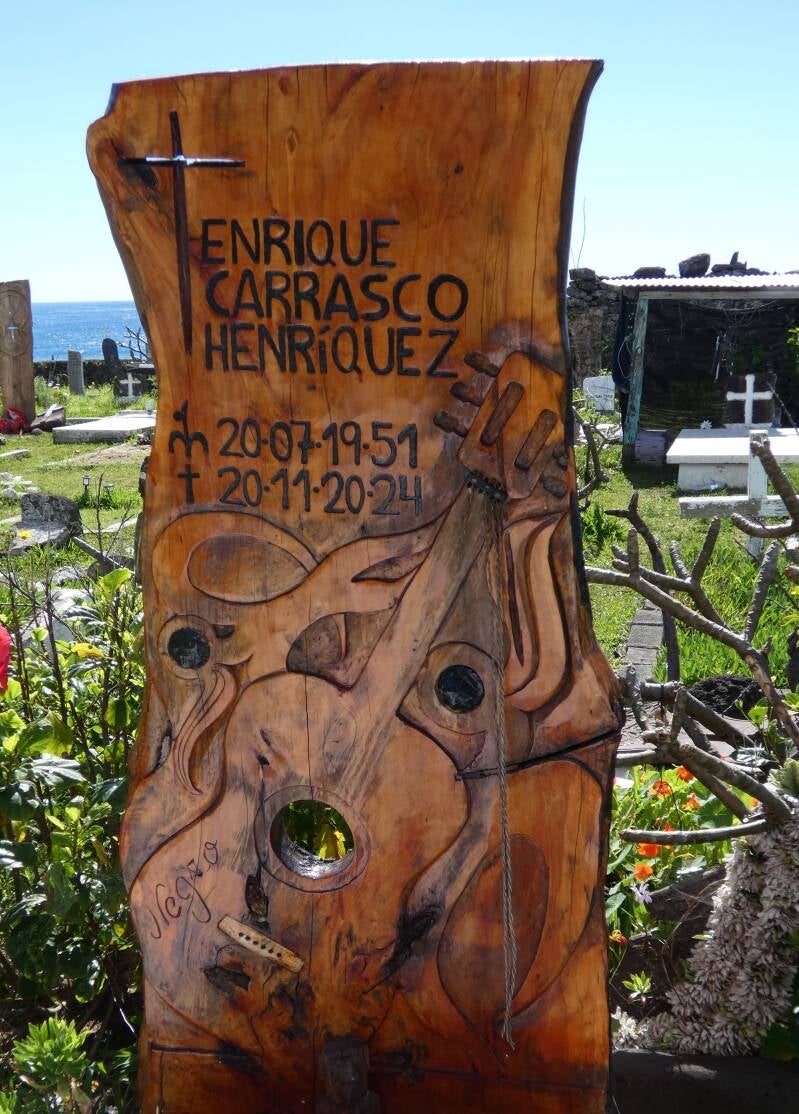
Hanga Roa cemetery
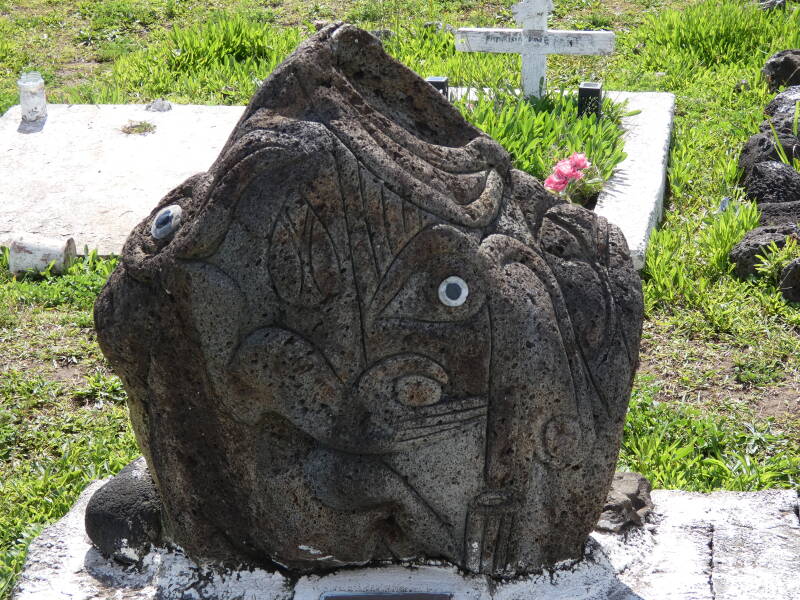
Hanga Roa cemetery
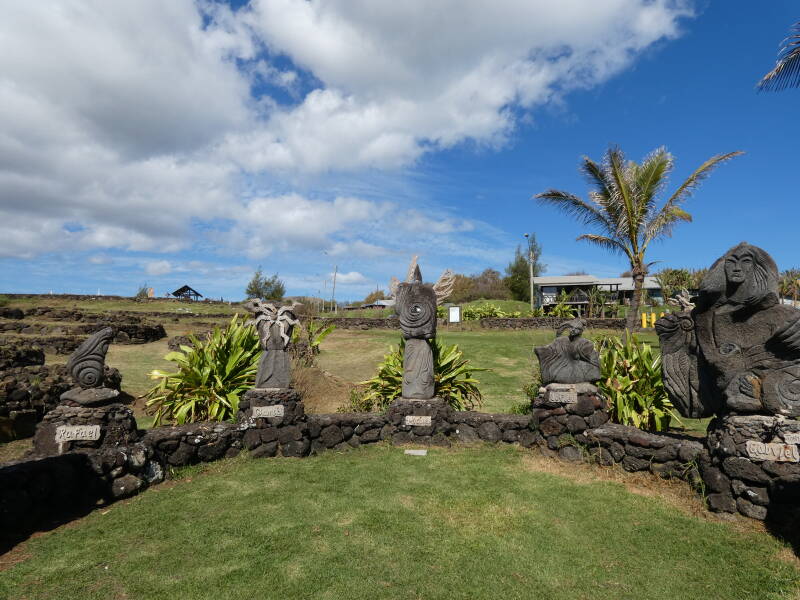
Hanga Roa
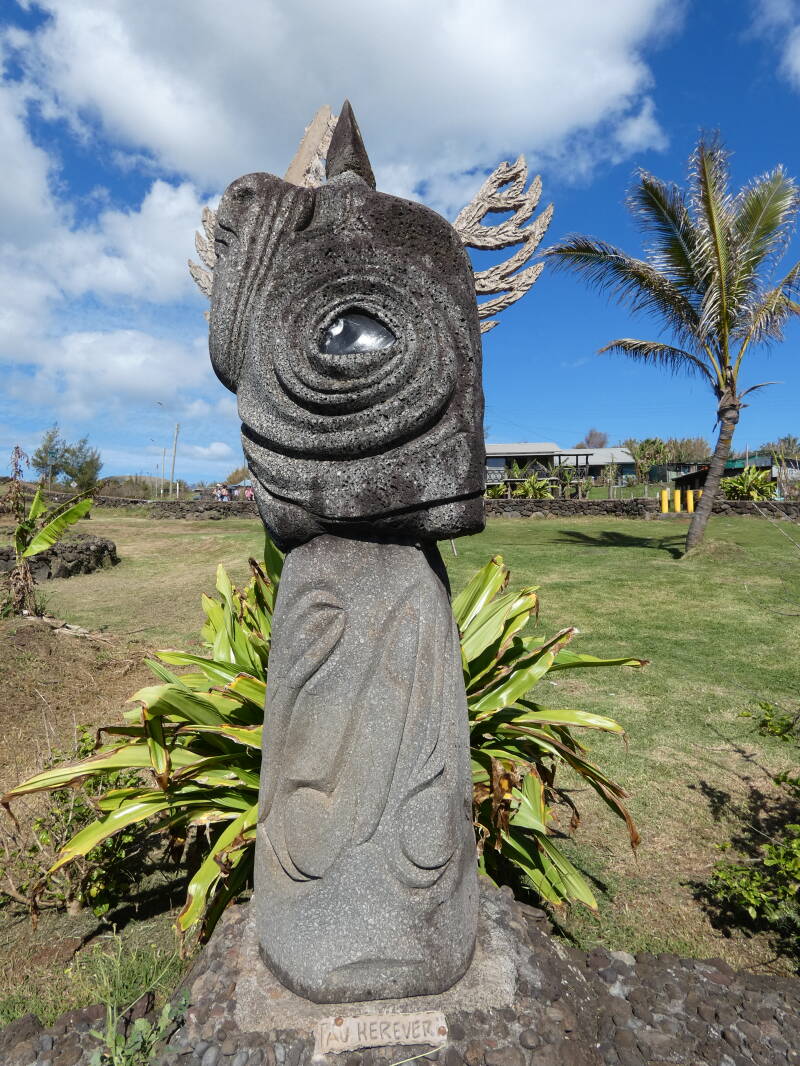
Hanga Roa
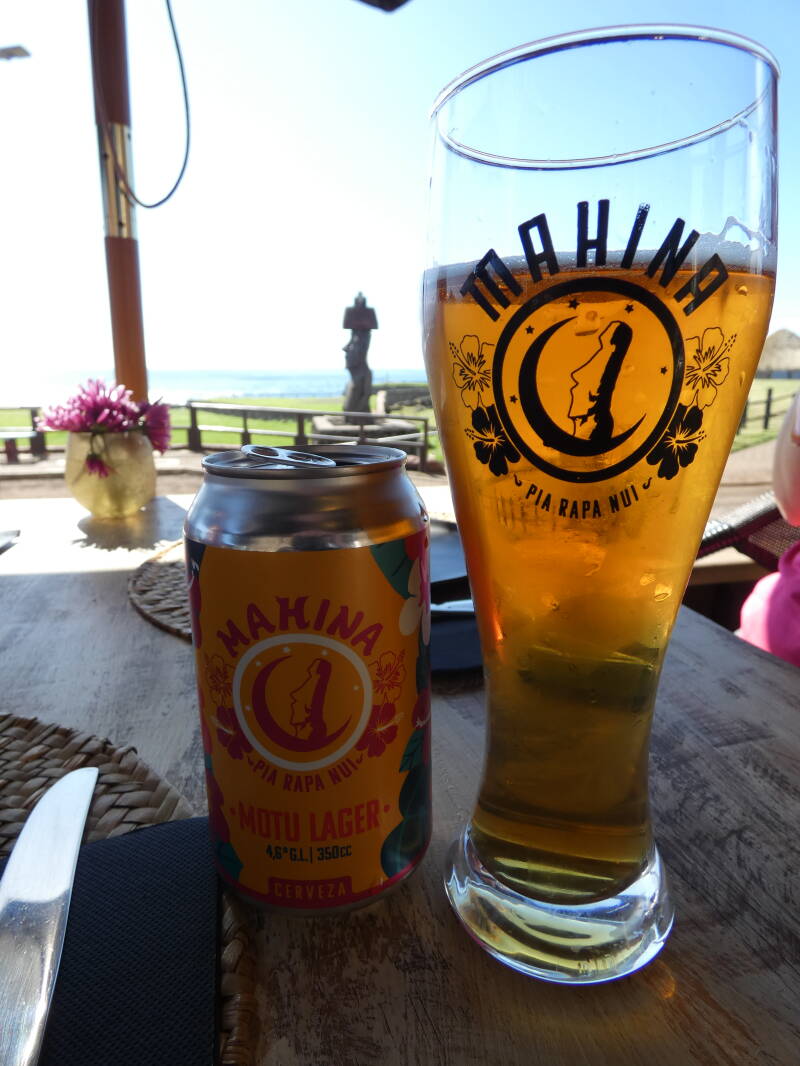
Hanga Roa local beer
Create Your Own Website With Webador