Day 4 - 26 Sep Exploring La Paz

Photo above - local women in El Alto. More photos to follow
Back out into the city
Another hot sunny day in La Paz, so after breakfast I headed out to see a bit more of this amazing place. First, I decided to head to the Central Cemetery, which I had heard was worth a visit. I had a sneak preview yesterday, as the cable car I took passed right over it. I was certainly like no other cemetery I have seen.
Return to El Alto
I walked round to the Central Station again and intended to take the one stop up to Cemetario station, but could not resist going all the way up to El Alto at the top again. I walked round to the road intersection again where the markets set up. It was busy as usual. On the way I walked past some school age football games taking place in sectioned off five a side pitches. There were mixed teams, and girls only which I thought was good.
Central Cemetery
Back at the cable car I went back down to the Cemetario stop. The entrance to the central cemetery is just outside the station. Essentially there are row upon row upon row of structures holding bodies in inches. The front facing part is used by the family to place artefacts and messages in memory of the dead relative. These structures are about five stories high, but there are additional structures which are higher and have steps for relatives to climb to the relevant level.
How it works
The Crypts and Niches: When someone passes away, their body is typically placed inside a multi-story concrete block called a pabellón (pavilion), which features thousands of individual wall niches. Families pay to rent these spaces. Under municipal regulations, bodies remain intact in these above-ground niches for a temporary period—usually 5 to 10 years. Once the rental period ends, the remains must be exhumed. If families continue to pay, the remains are cremated into ashes or reduced to bones and moved to a much smaller, permanent niche. If a family defaults on the rent or fails to claim the remains, the city exhumes and mass-cremates the body to clear space for new arrivals.Because of this constant rotation, the cemetery manages to hold the remains of an estimated one million people within its walls, seeing multiple active burials every single day.
Dealing with high altitude
As it will be downhill on the way back I will walk. I have never had too much of a problem with high altitude. General walking along flat undulating or downhill, carrying luggage, walking down steps, are all fine. However, walking up 10 steps you really begin to feel it, walking up a flight of 30 there is no way you will not have to stop for a minute or so to get your breath back. And do not try running or jogging for more than a few paces, as you will be gasping for breath in no time.
Of course locals don't find it a problem, but even being acclimatized after a few days will not really help you if you try to exert yourself. You cannot beat the science, which states that the atmospheric pressure is lower at high altitude, which reduces the force pushing oxygen molecules from your lungs into your bloodstream. Your body senses the lack of oxygen transfer and forces you to breathe faster and deeper, which triggers the breathless, hard-working feeling. There is still 21% oxygen in the air whatever height you are at. At very high altitudes it gets harder to do the simplest activity, even down to breathing when sleeping - some people will keep waking up in the night feeling short of breath. It is common for hotels at higher altitude to have oxygen tanks available for guests. Oxygen tanks and supplemental oxygen increase the amount of oxygen molecules you breathe in, compensating for the lower air pressure.
More views of the city
Once back down in the centre I decided to walk around to Killi Killi viewpoint. I was not sure there was any point as I had seen many views across the city already, but I set off with my Google maps, wiggling my way through, and up, the many different streets I needed to take to get to my destination. There is never a straight route to anywhere here. You need a decent map. The streets at the end were very steep, and I was definitely feeling that low atmospheric pressure! At the top was a pleasant square come garden, with seats, and a sculpture. It also had amazing 360 degree views of the city. I noticed an area that I had not seen previously, where the housing is creeping up still higher into the mountains, with small brown houses, clinging to the bare rock. You also get a great idea of how the city sits in a bowl, surrounded by the Andes peaks.
Bolivian wedding
Finally on the way back to the hotel, I stopped at Sucre Square, where I sought a quiet place to stop and people watching. However, I was forgetting it was Saturday, and there was some kind of school event that had taken over the square. However, in a church opposite, a wedding was preparing to start, and all the attendees were dressed in their best gear.
After I had watched the comings and goings at the church for a little while I walked back to the hotel. I had to navigate my way through a massive market that had taken over the road since yesterday.
Tomorrow, I have a stupidly early start to catch a 4.45am flight south to the capital of Argentina, Buenos Aires.
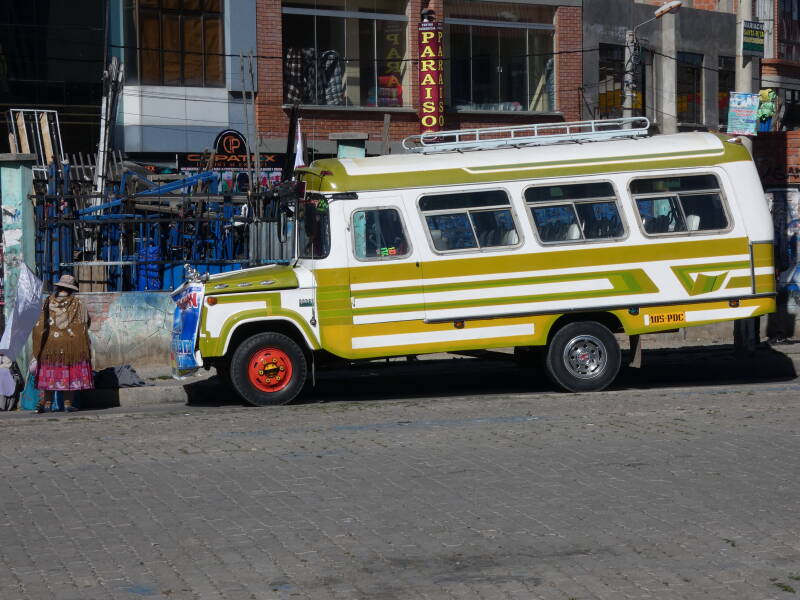
El Alto
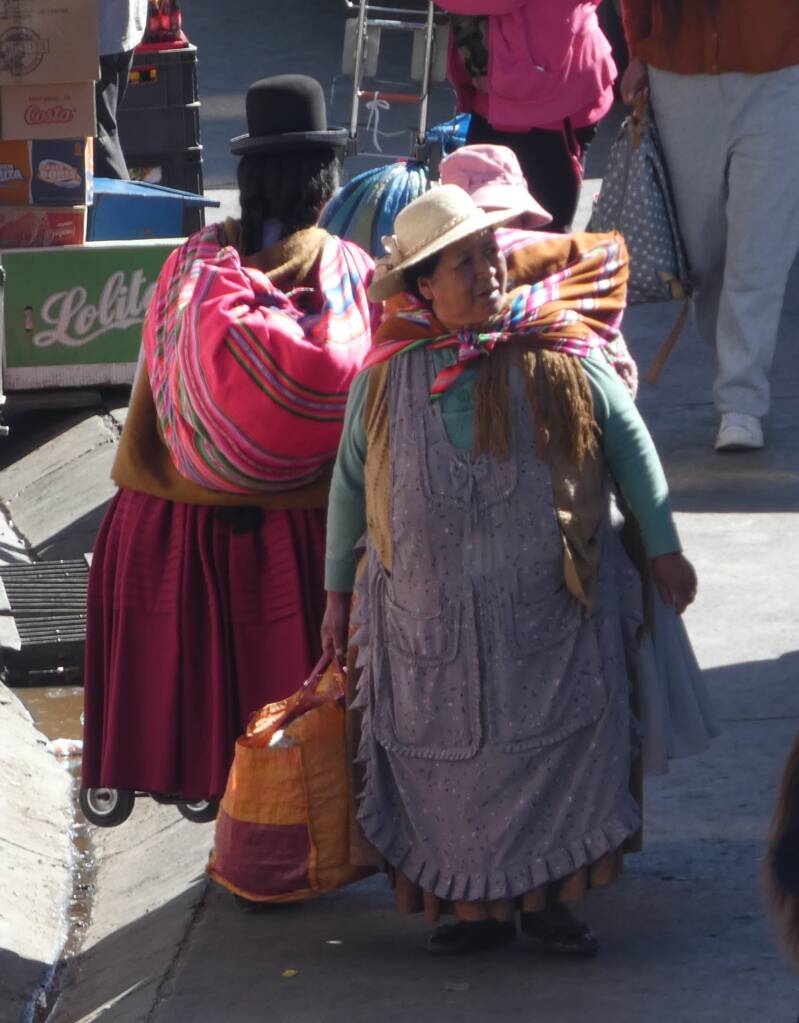
El Alto
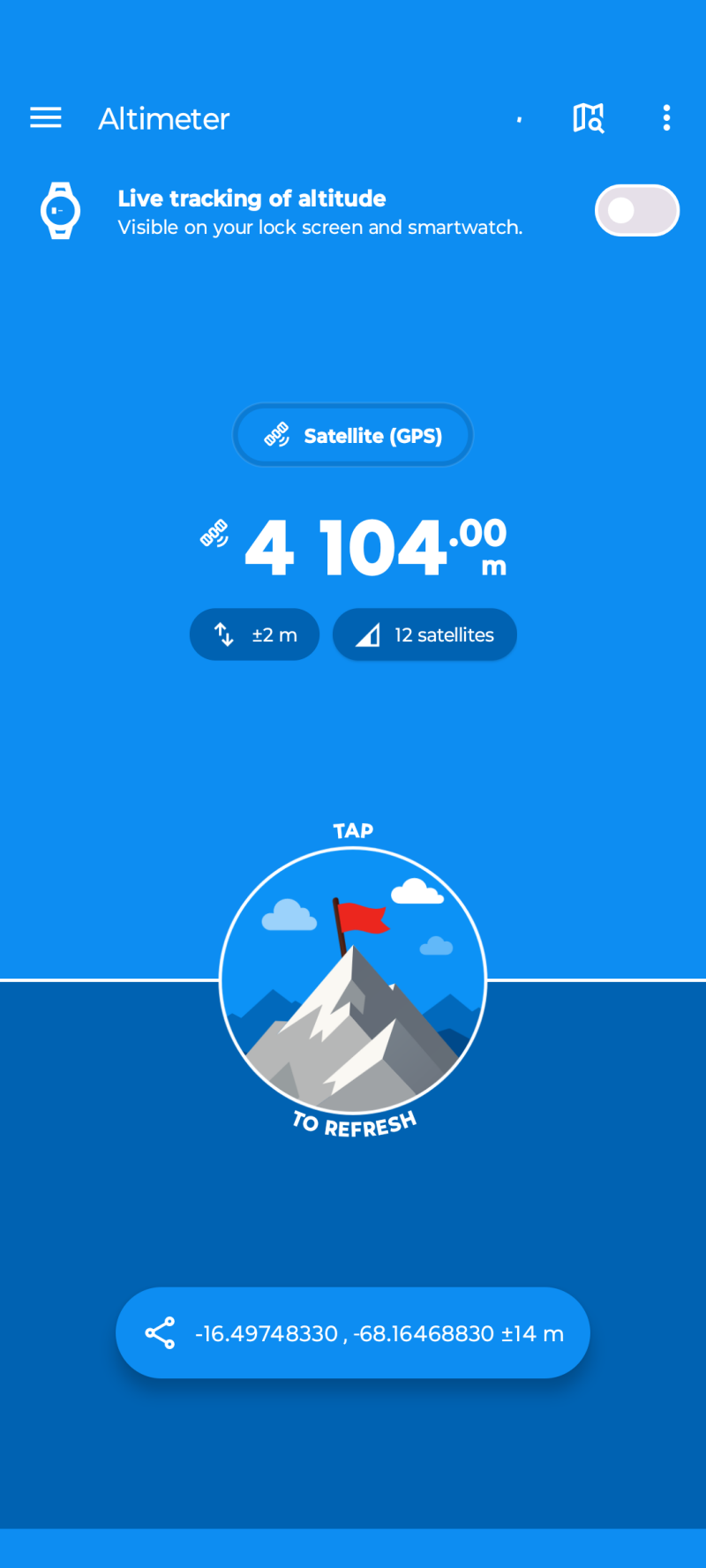
El Alto altitude
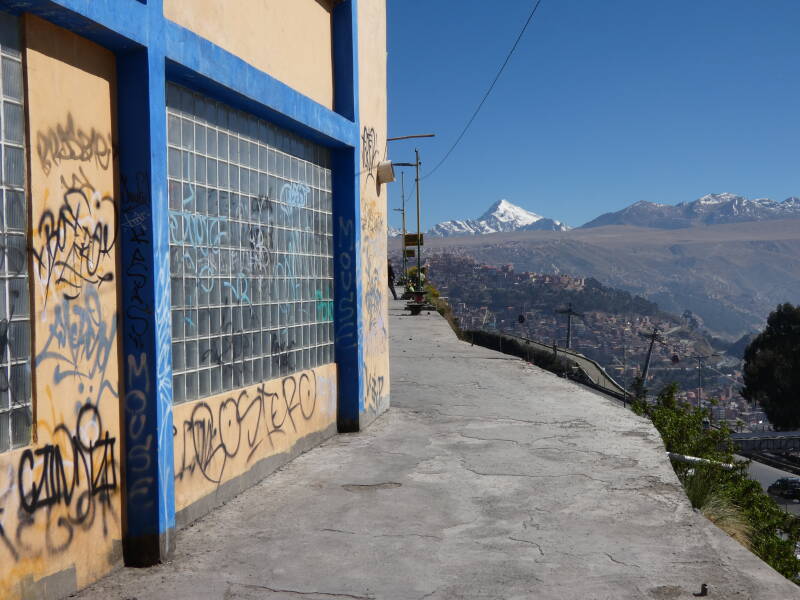
El Alto, no health and safety here, just a sheer drop
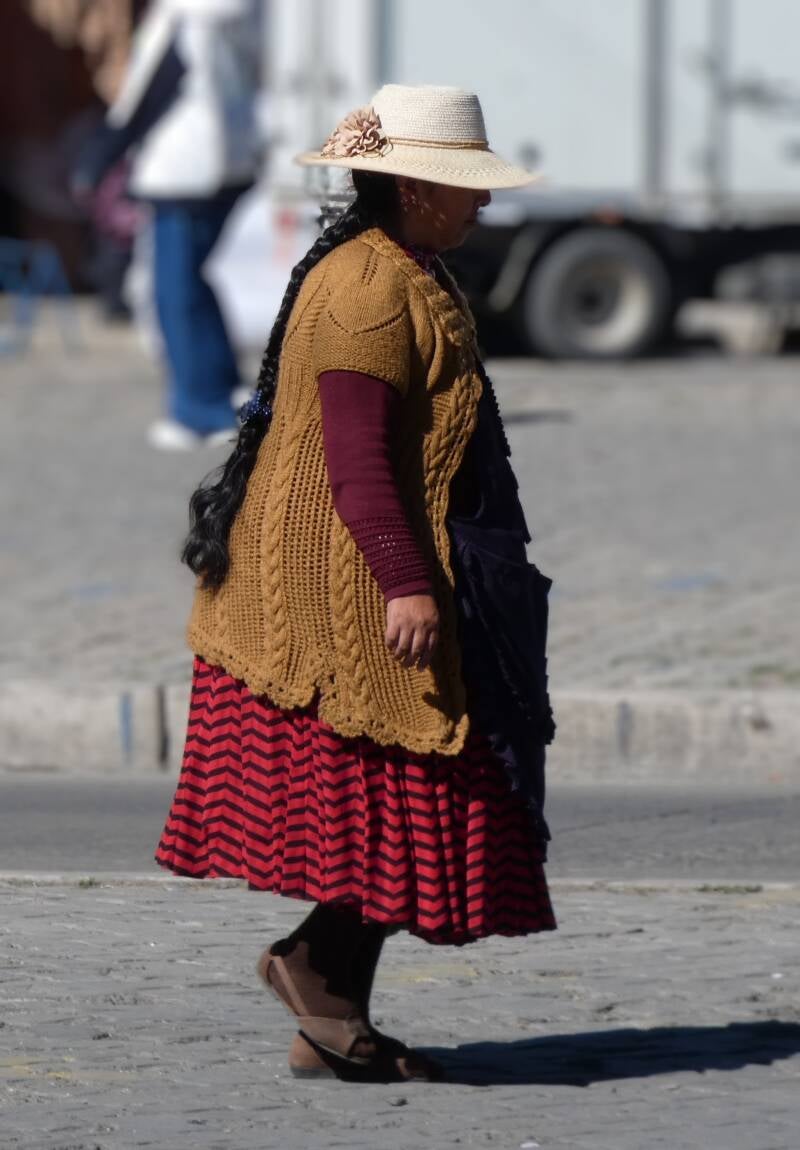
El Alto
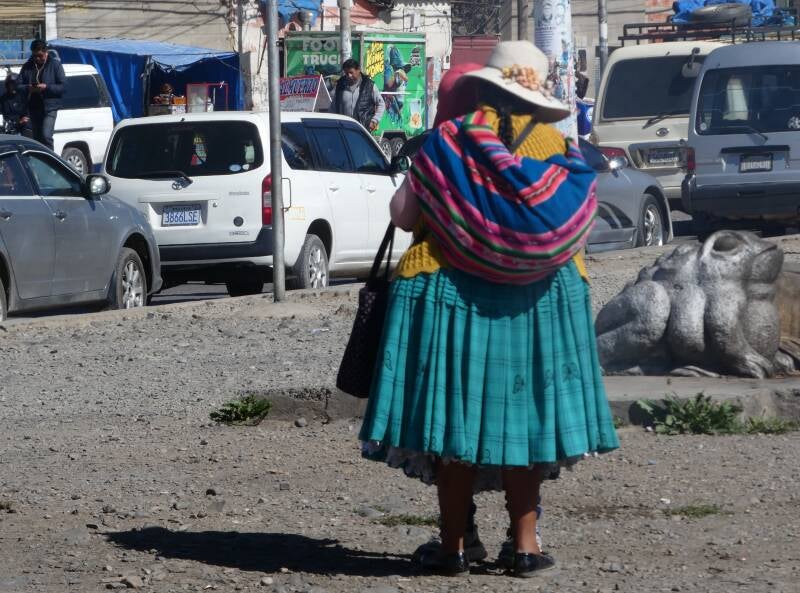
El Alto
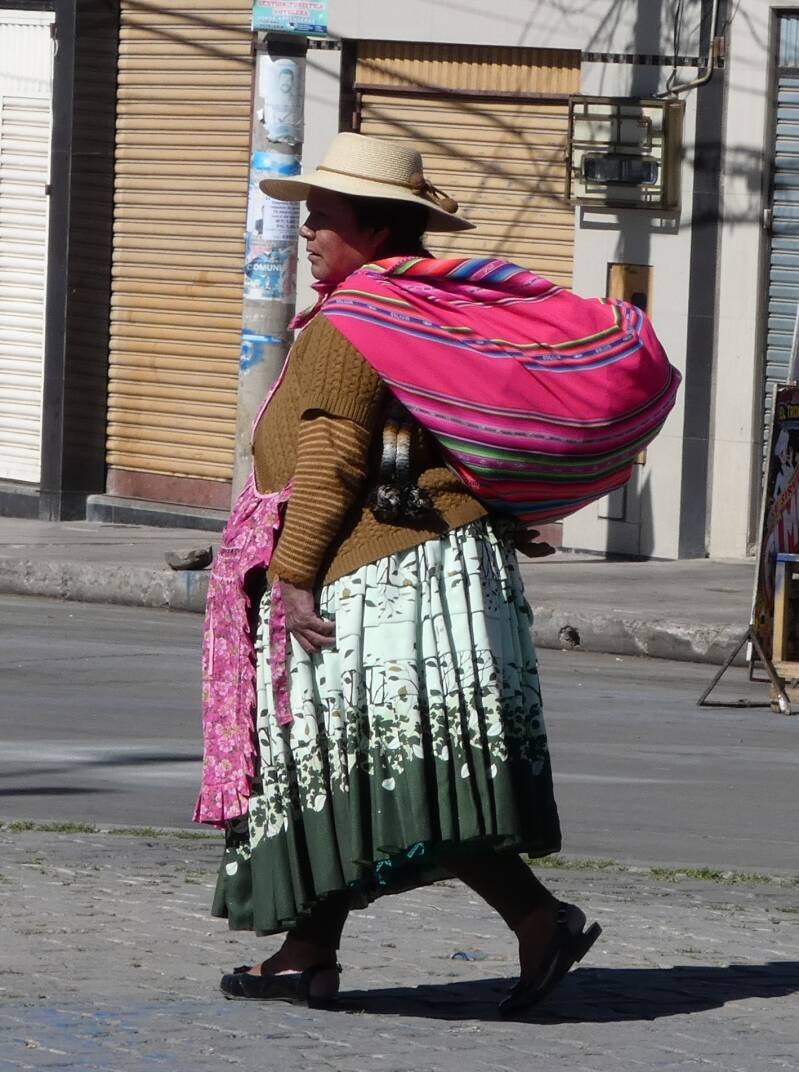
El Alto
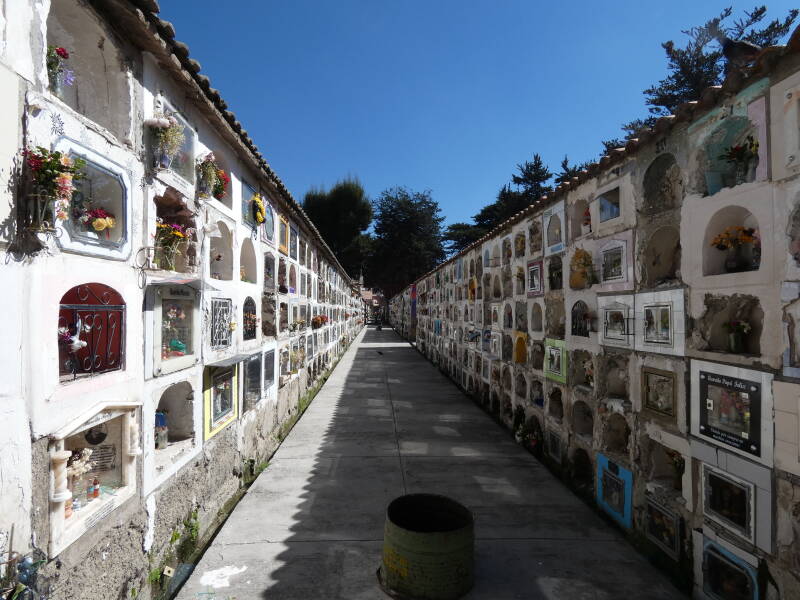
Central Cemetery, La Paz
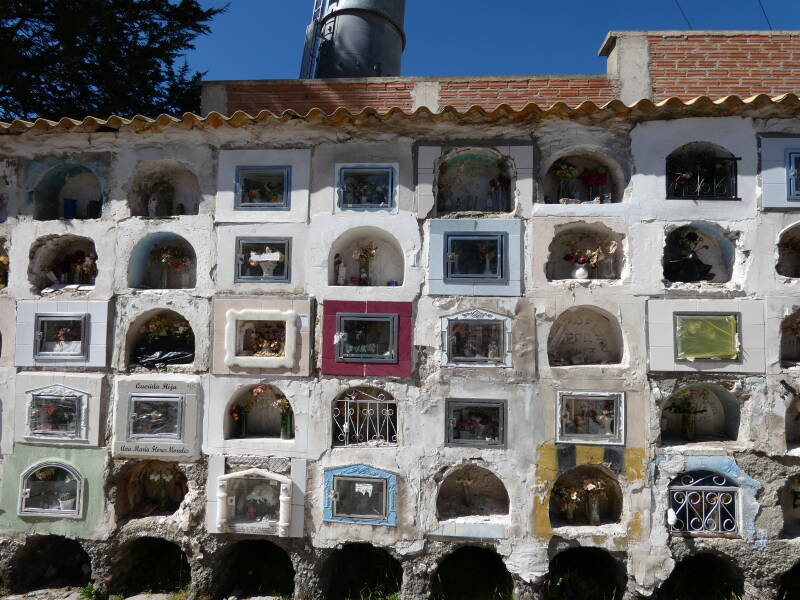
Central Cemetery, La Paz
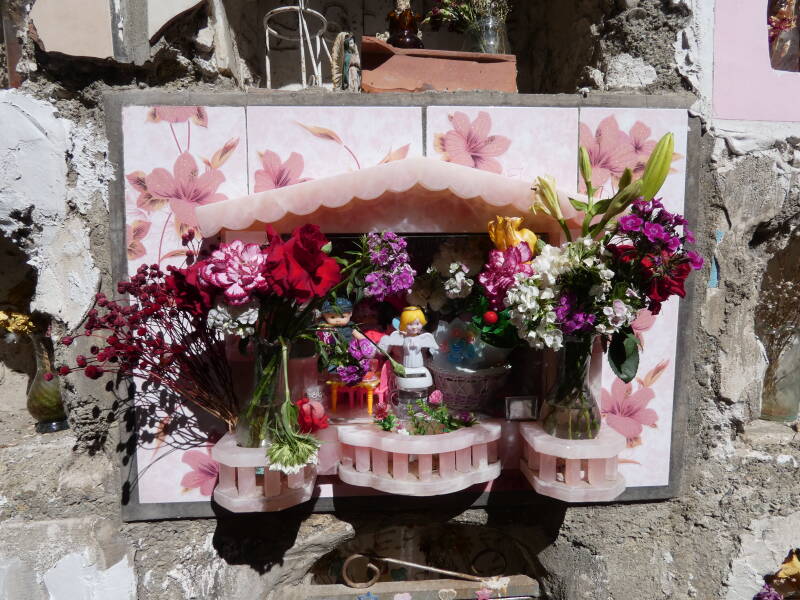
Central Cemetery, La Paz
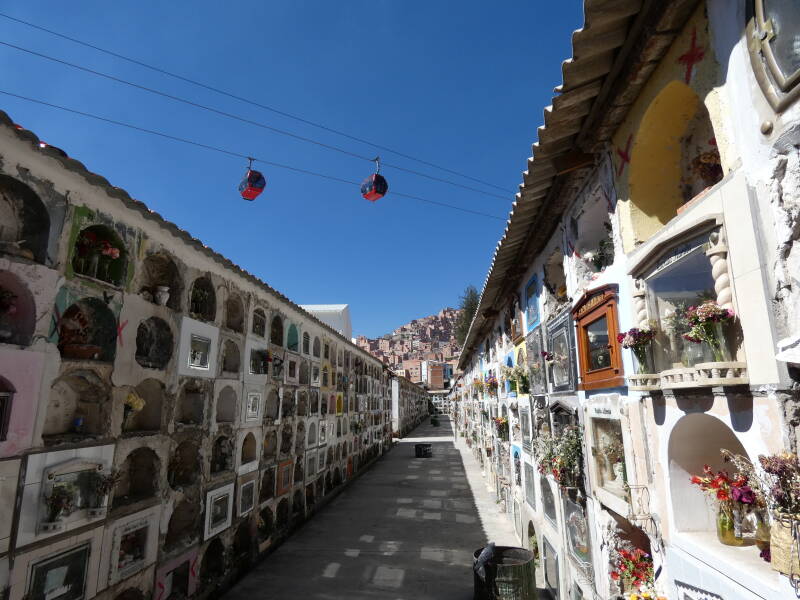
Central Cemetery, La Paz
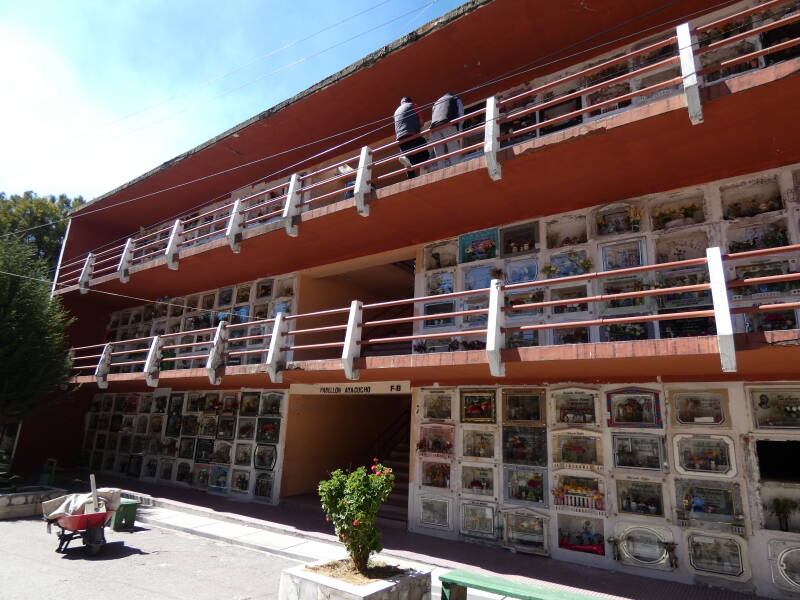
Central Cemetery, La Paz
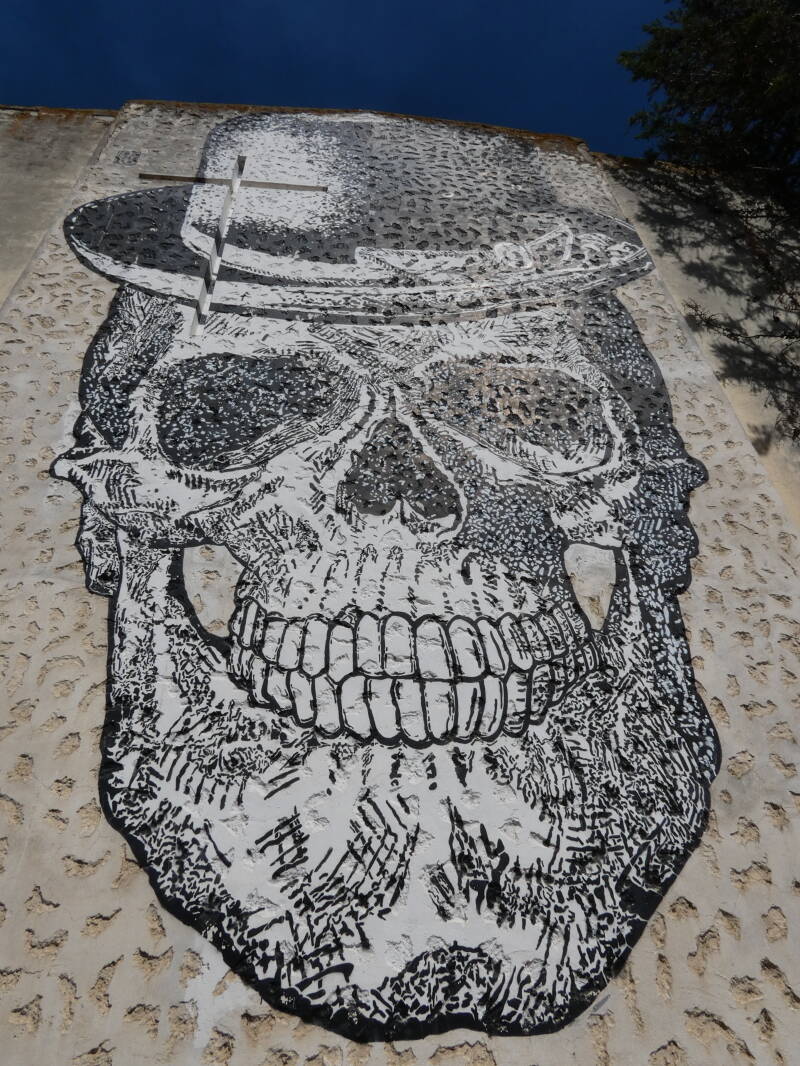
Central Cemetery, La Paz
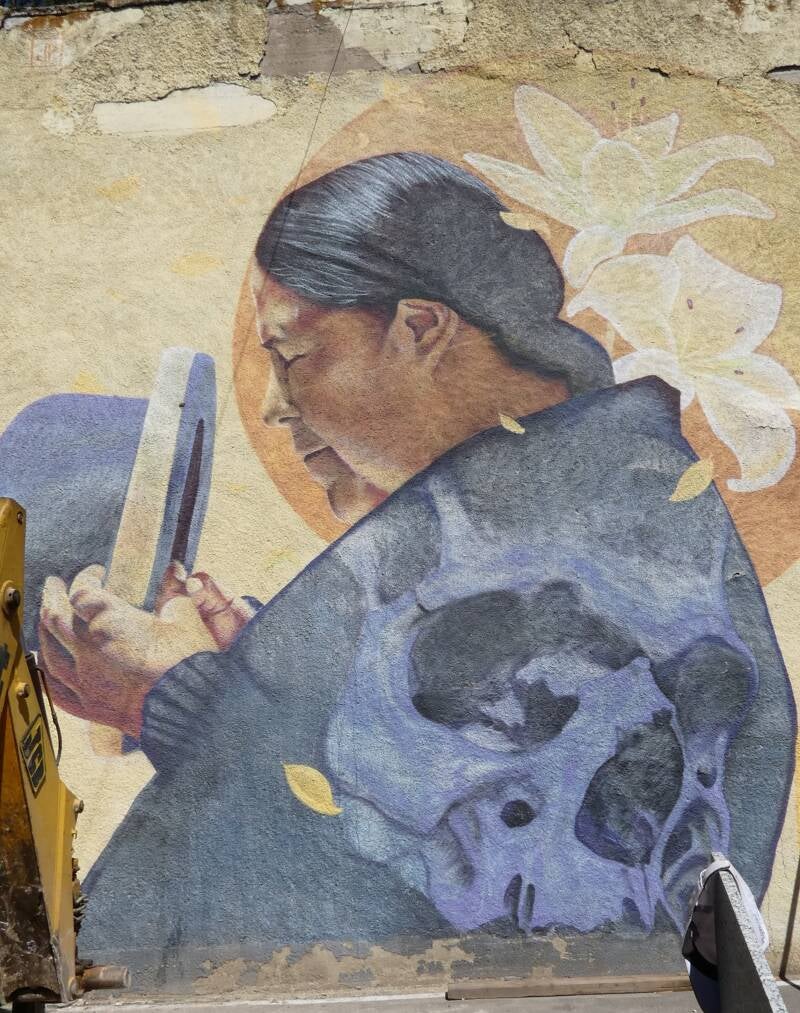
Central Cemetery, La Paz
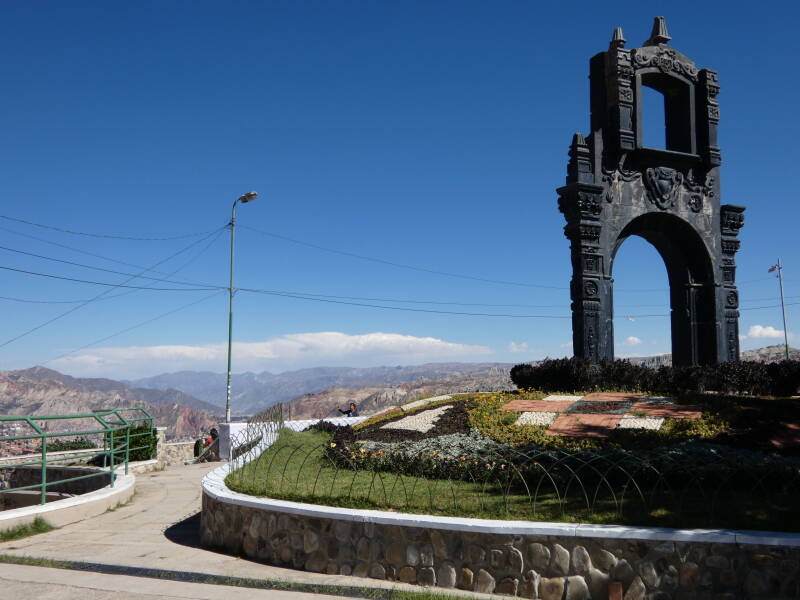
Killi Killi viewpoint
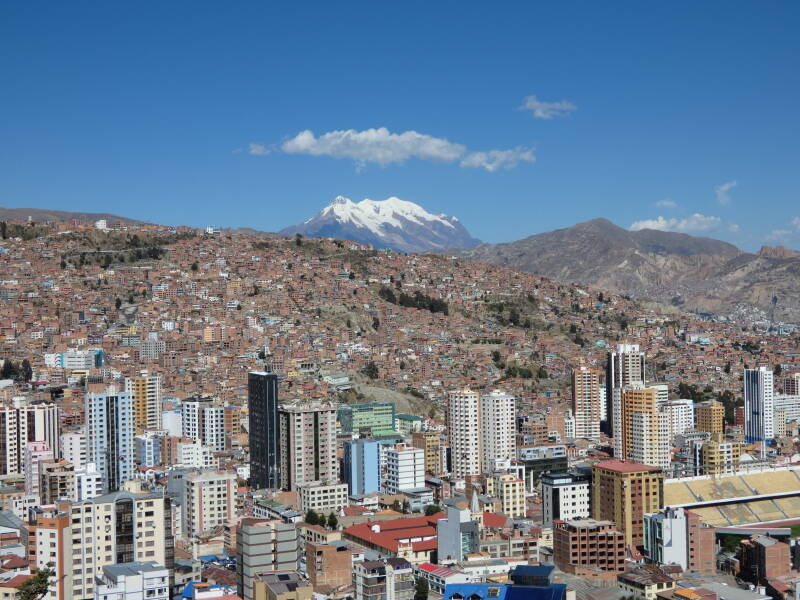
From Killi Killi viewpoint
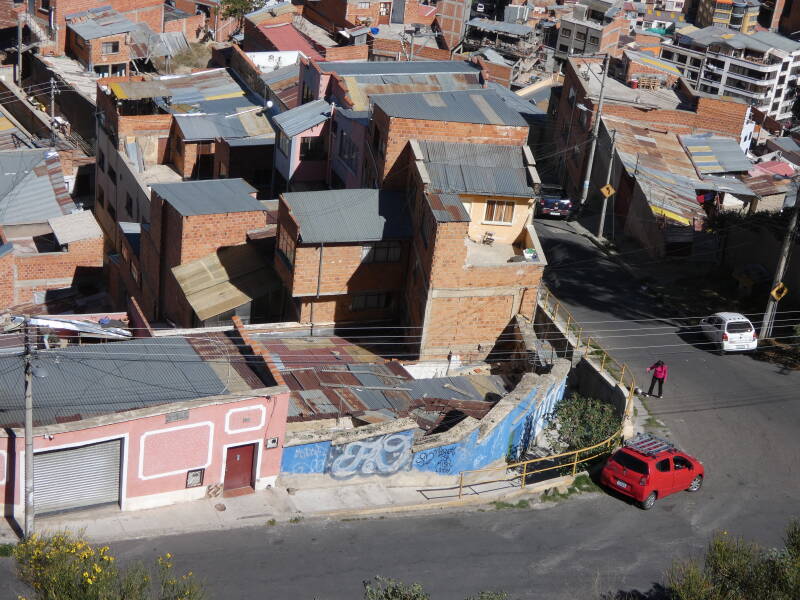
Looking down at the local streets from Killi Killi viewpoint
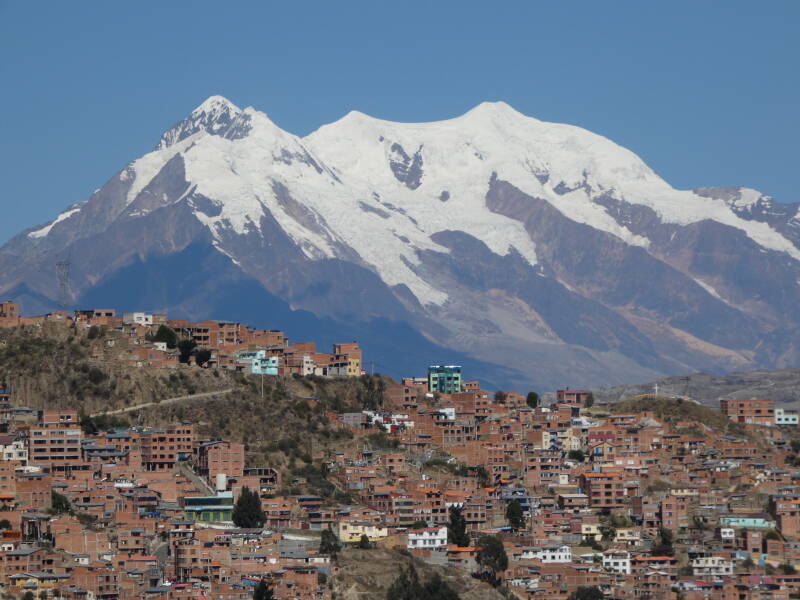
From Killi Killi viewpoint
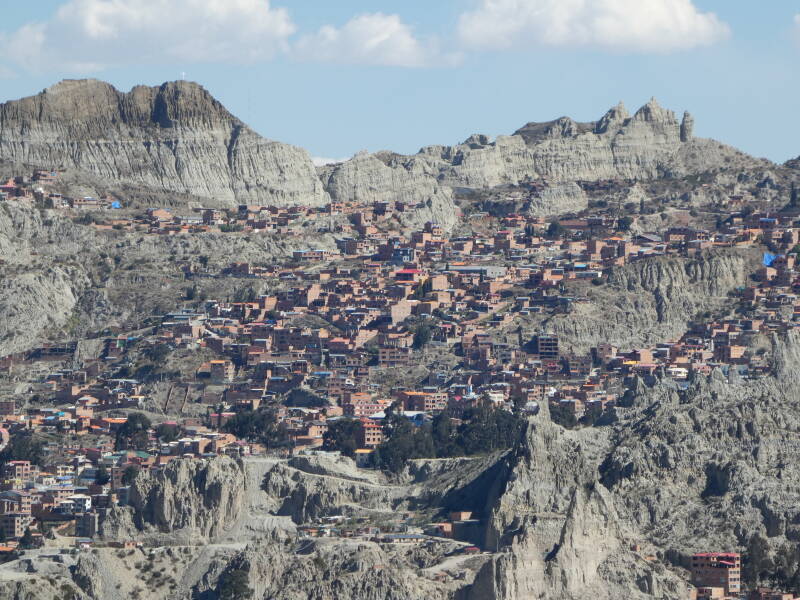
From Killi Killi viewpoint, the city is still creeping upwards
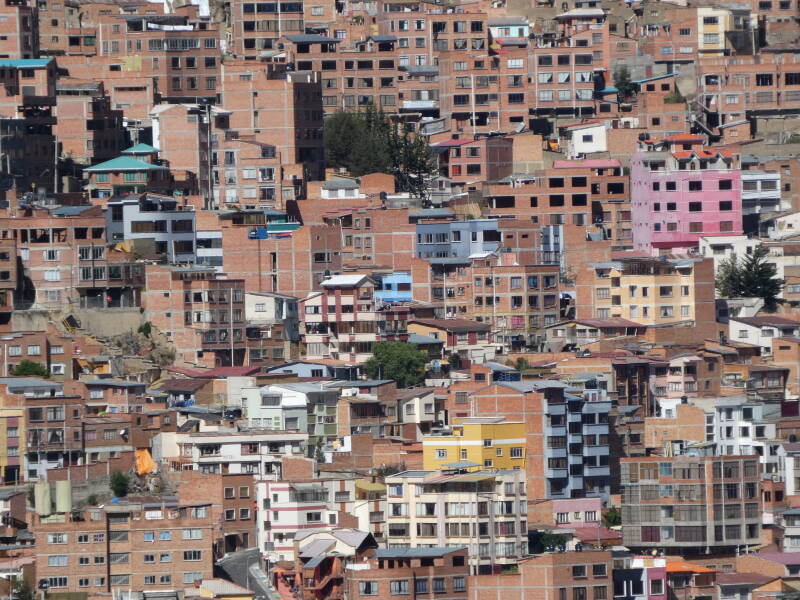
From Killi Killi viewpoint
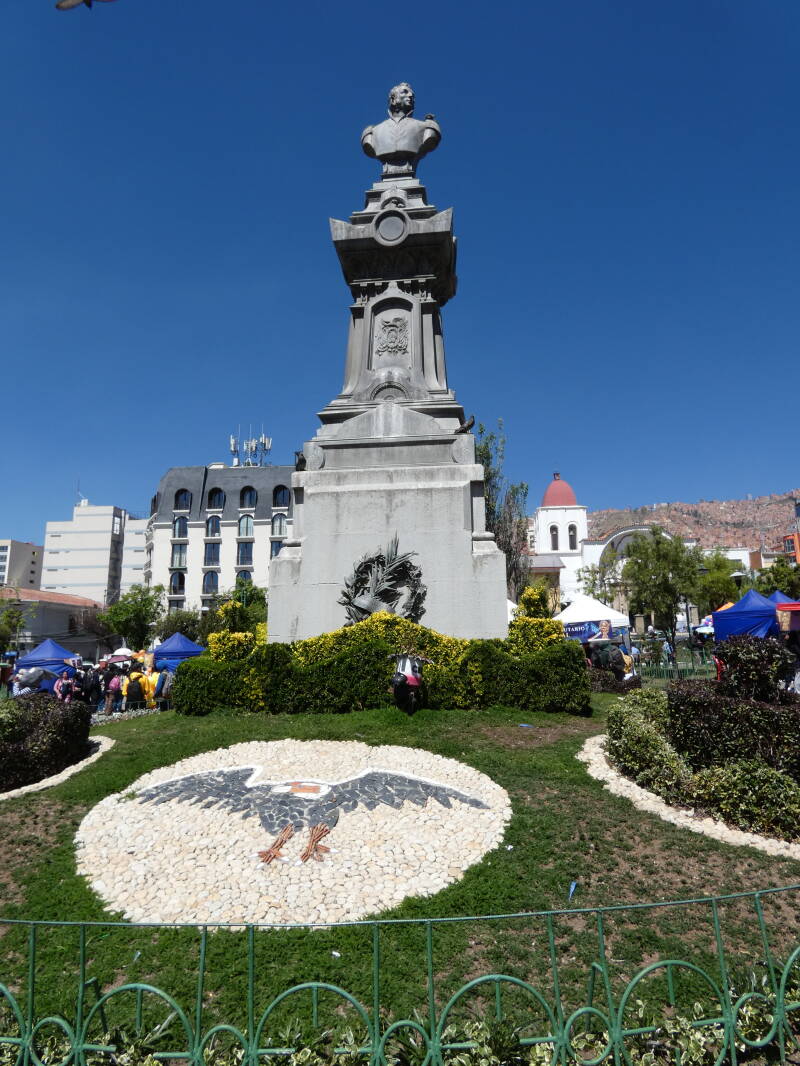
Sucre Square
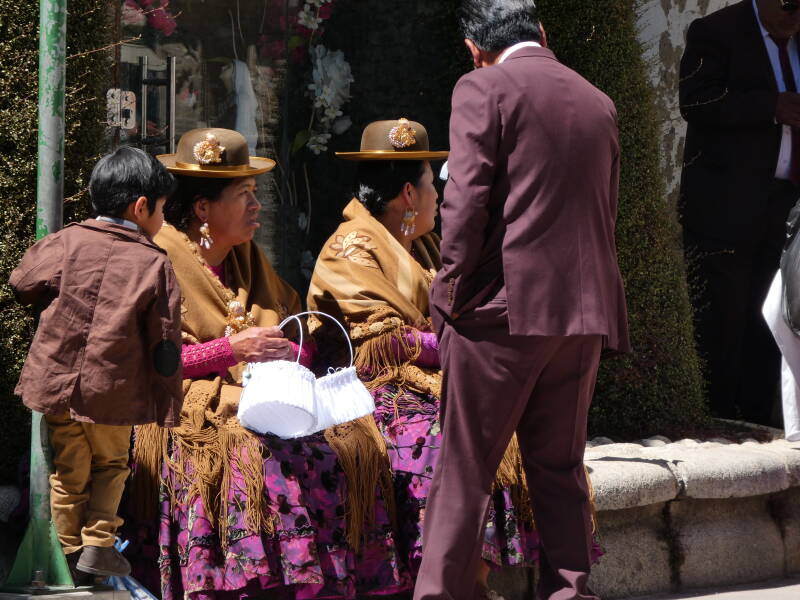
Wedding at Sucre Square
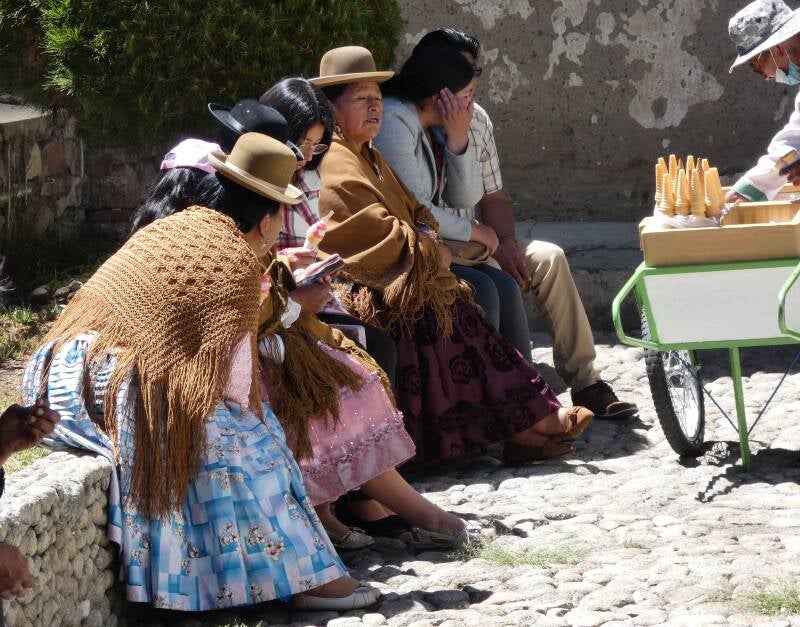
Wedding at Sucre Square. Deciding which flavour ice cream to buy
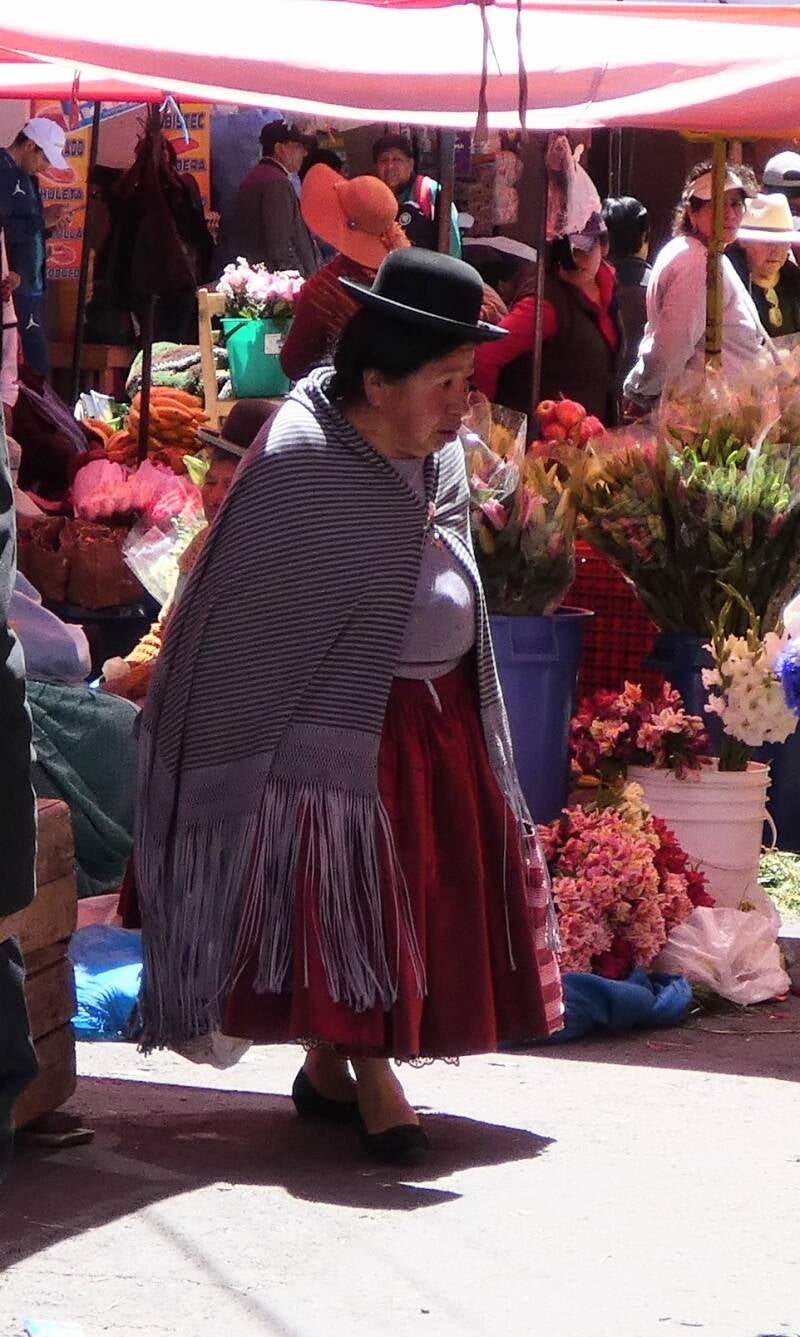
Saturday is Market day, like every other day
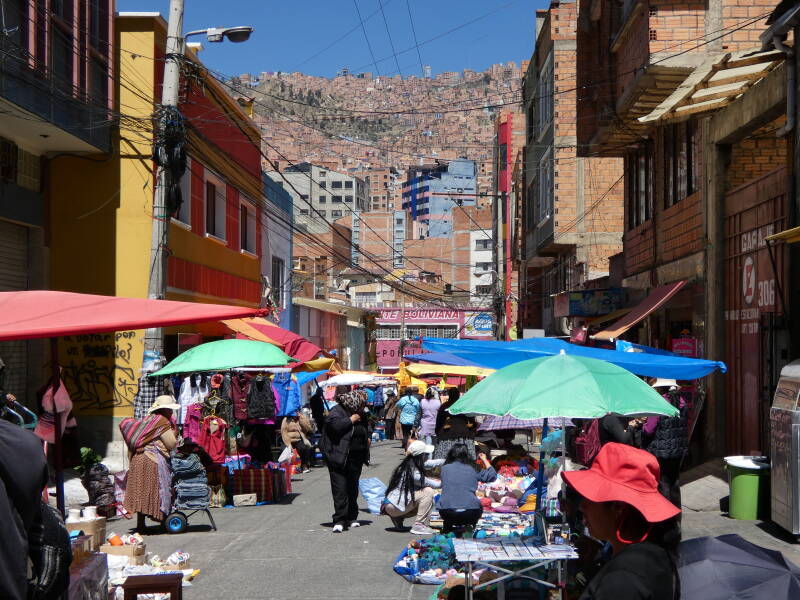
Saturday is Market day, like every other day
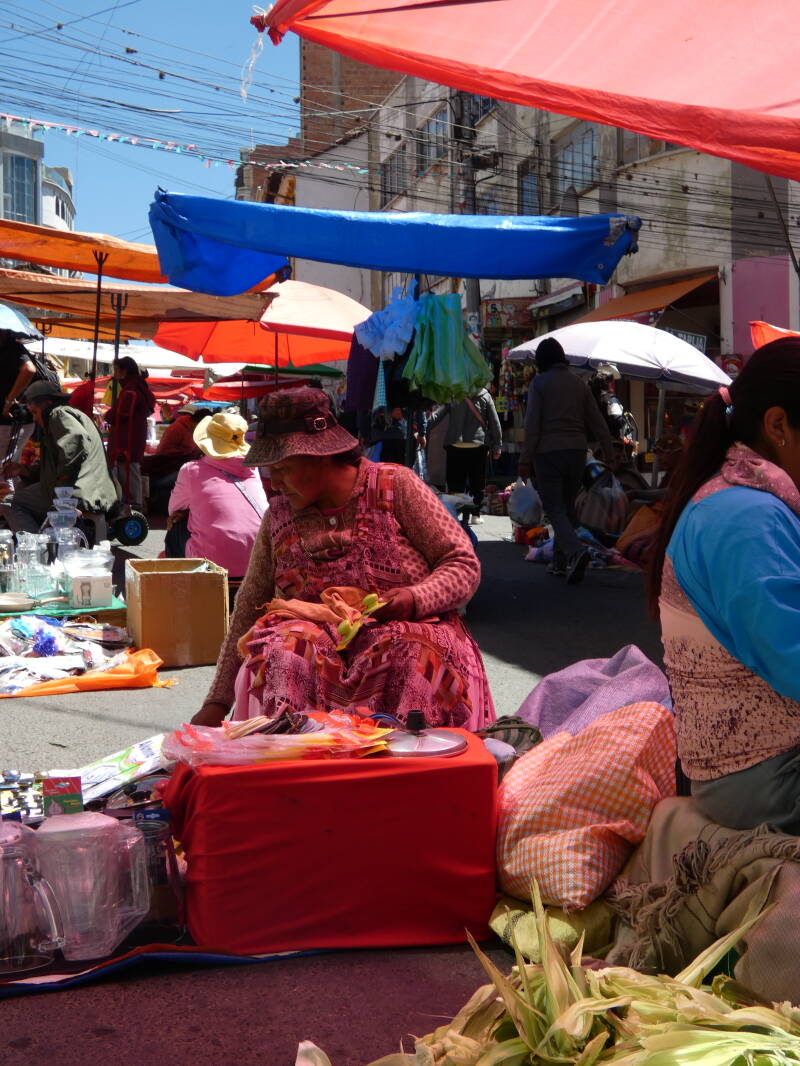
Saturday is Market day, like every other day
Create Your Own Website With Webador