Day 3 31 Aug - Ljubljana, and a cross border train to Zagreb, Croatia

Photo above - Central Square in Zagreb, Croatia.
Train from Ljubljana
Set off early this morning to go to the nearby train station to catch the 8.15am train to Zagreb in Croatia. This is a 3 hour/73 mile journey.
Another hot sunny day as we boarded the train, which had started its journey in Stuttgart, Germany. The train itself had sleeping compartments and six seater cabins. It was very clean and efficient.
Through the countryside
A lot of the journey we were following the Sava River which eventually feeds into the Danube, and winds through a wooded valley, for much of the way, and there were beautiful views of the farmland across eastern Slovenia.
Across the border
Both Slovenia and Croatia are in the EU, so there was no passport or border checks, as we crossed the border two thirds of the way through the journey, although the train stops for a change of driver.
About Croatia
Croatia, officially the Republic of Croatia, is in south eastern Europe, on the Adriatic Sea. It has borders with Slovenia in the north, Hungary and Serbia to the east, Bosnia & Herzegovina and Montenegro to the south. It has a largely Christian population of about 4 million, in an area of 22,000 square miles. Similar to Slovenia, Croatia had once been part of Hungary, and then the Kingdom of Serbs, Croats and Slovenes from 1918, before becoming part of Yugoslavia after World War 2. It declared independence in 1991, however a civil war, the War of Independence, was fought until 1995, between forces loyal to the Croat Government, and the Serb controlled Yugoslav People’s army.
About Zagreb
Zagreb is Croatia’s capital and largest city with a population of 770,000, and like Ljubljana, I visited it in 1990, when it was still part of Yugoslavia. It is rich in art and gastronomy, but it doesn’t attract the same tourist crowds as many European capitals.
We did a short walking tour of the city centre. It has a mix of Austro-Hungarian architecture and more austere socialist-era buildings. Key highlights include the Gothic Zagreb Cathedral and the 13th-century Saint Marks Church. The city is built on a series of hills, and suffered a significant earthquake in 2020, with some historic buildings still undergoing renovation.
Historic underground
It was 38c so we had to keep moving from one patch of shade to another. It was therefore welcoming to find a long underground pedestrian walkway with a nice cool through breeze. The Gric tunnel runs under part of the old town, and connects two parts of the city. It was built in 1943 to serve as a bomb shelter and safe way to move about. It is 330m long and has a wider hallway in the centre. In the early 1990s foreign DJs came to Zagreb to play a rave held in the tunnel.
Food and chillout
Early afternoon, we stopped in a cafe and had a nice veggie meal, then caught a tram out of the city centre to our hotel. The fare was only 0.53 Euro!
Spent the rest of the afternoon chilling out as we have a couple of long days coming up. Tomorrow we drive south to visit a huge National Park.
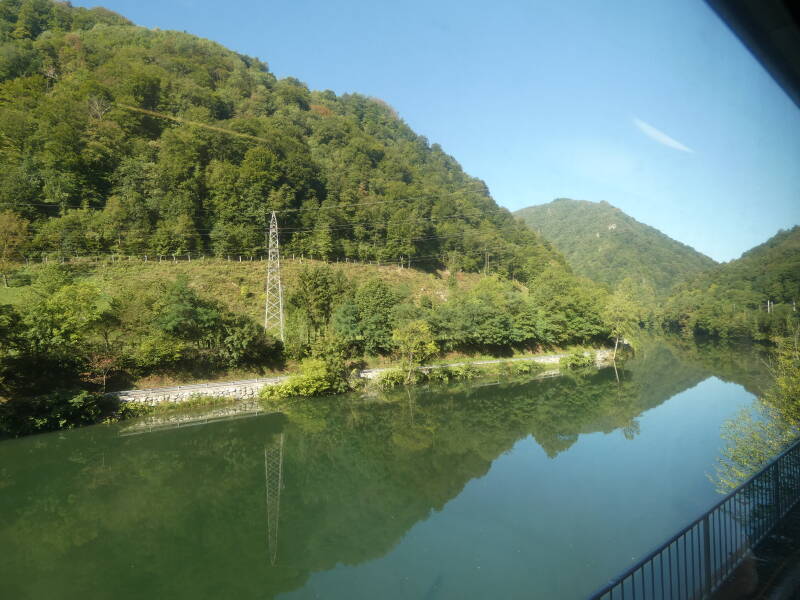
Sava River from the train
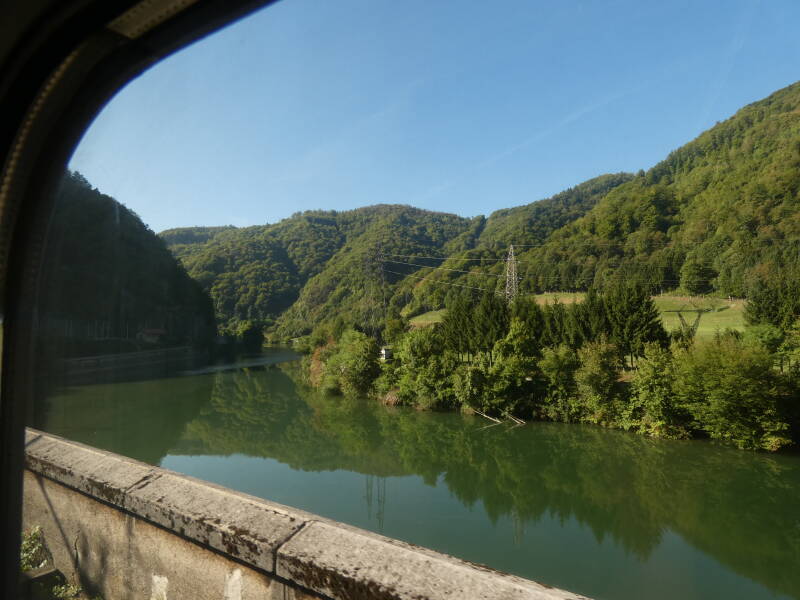
Sava River from the train
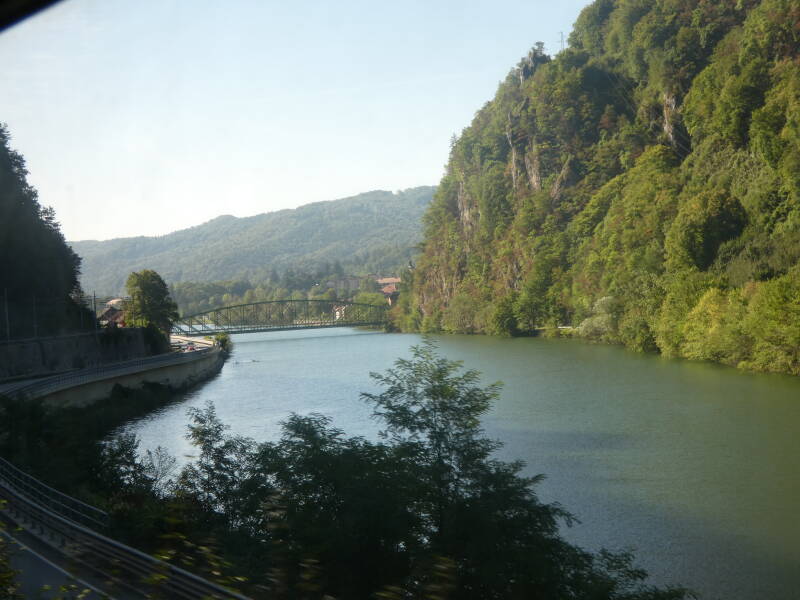
Sava River from the train
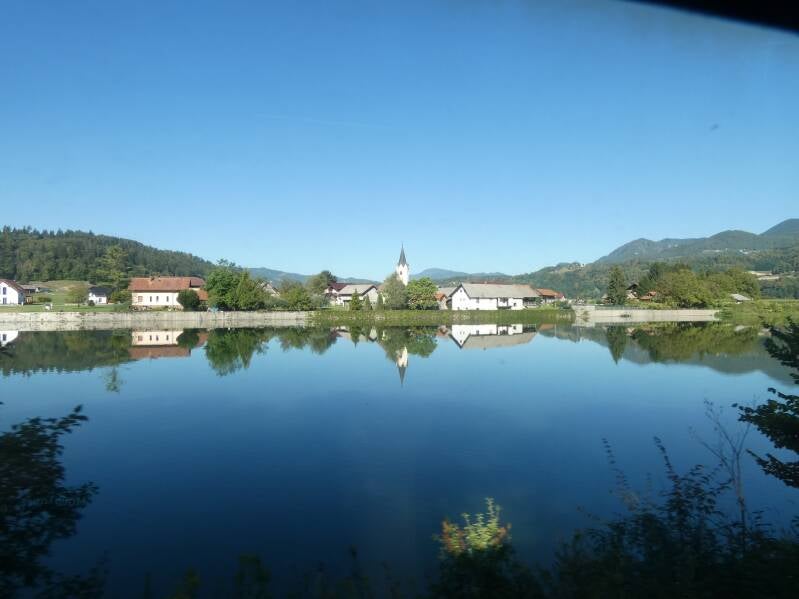
Sava River from the train
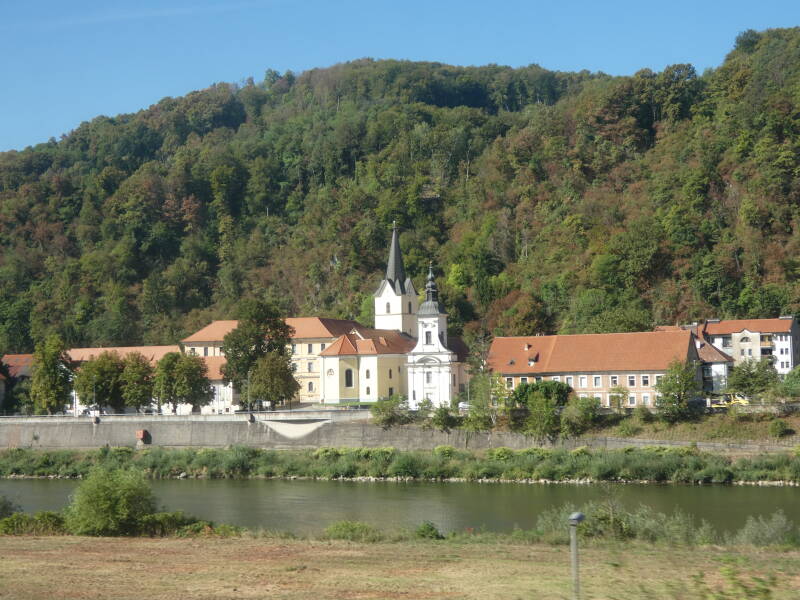
Sava River from the train
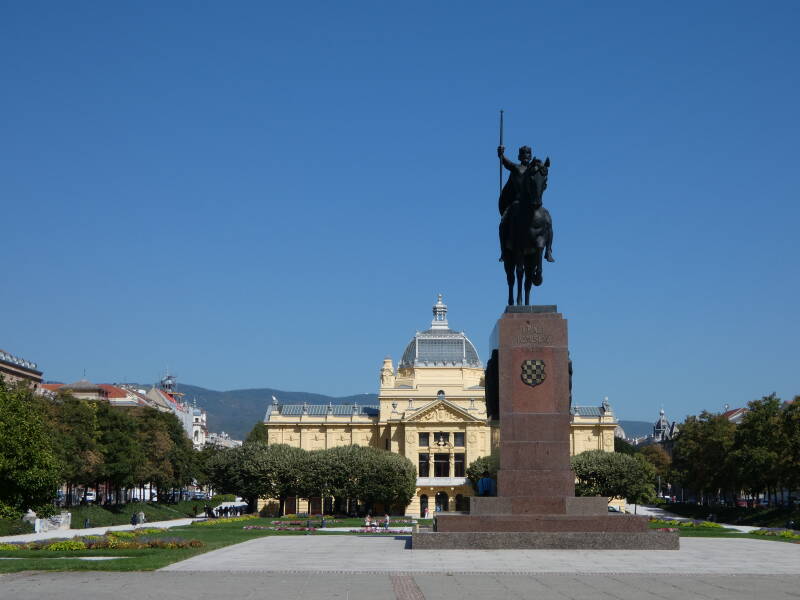
Zagreb
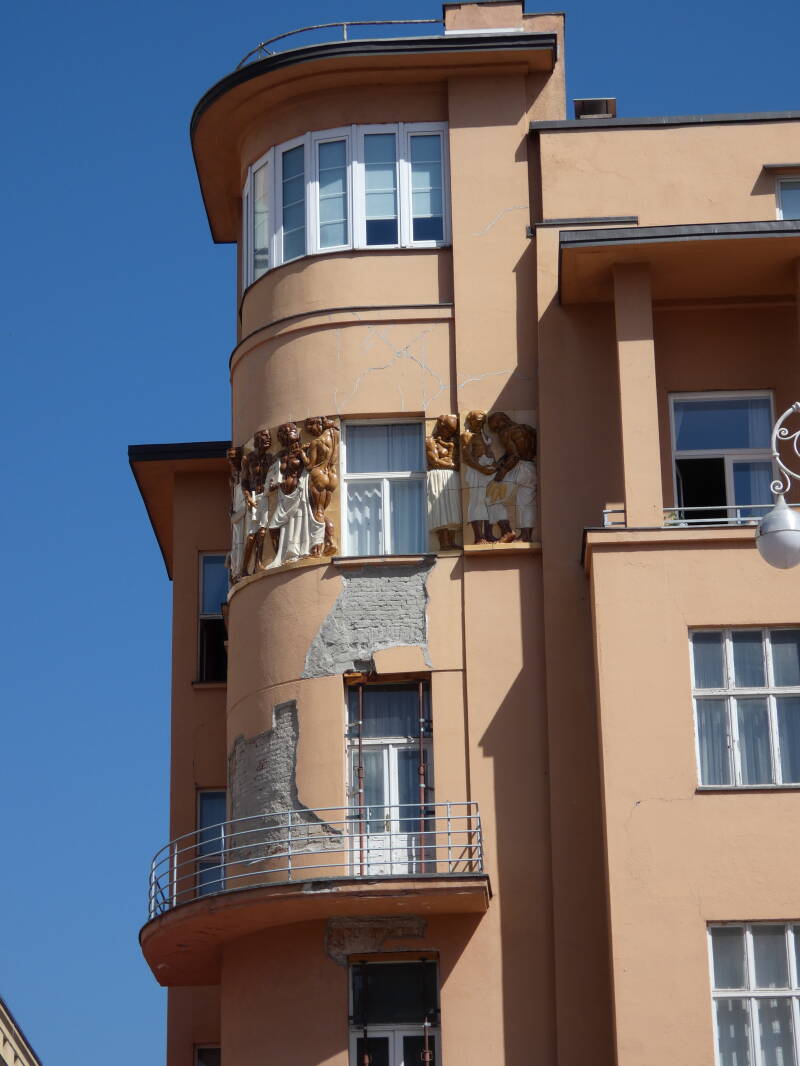
Zagreb
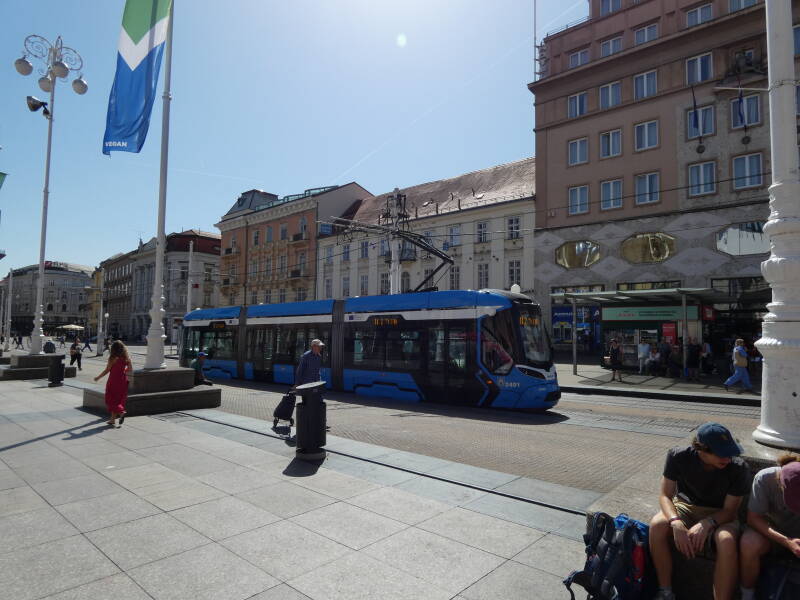
Zagreb
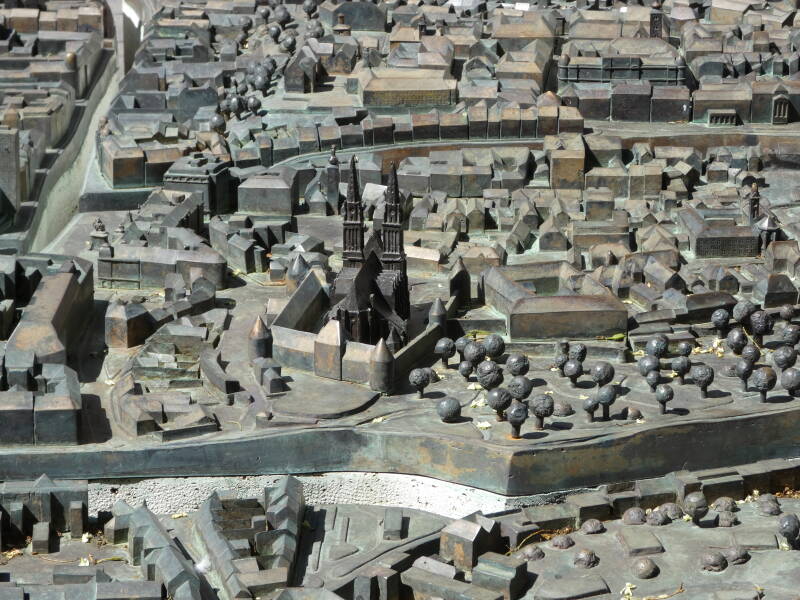
3d map of Zagreb
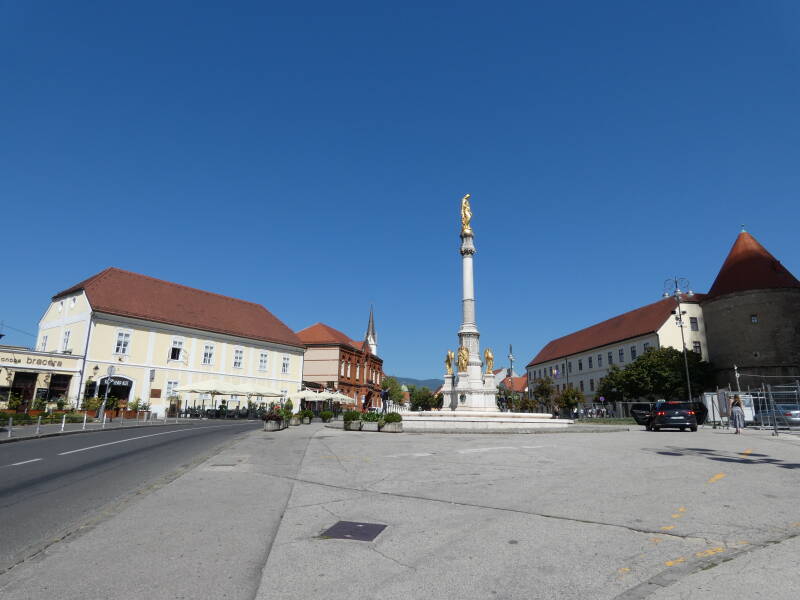
Zagreb
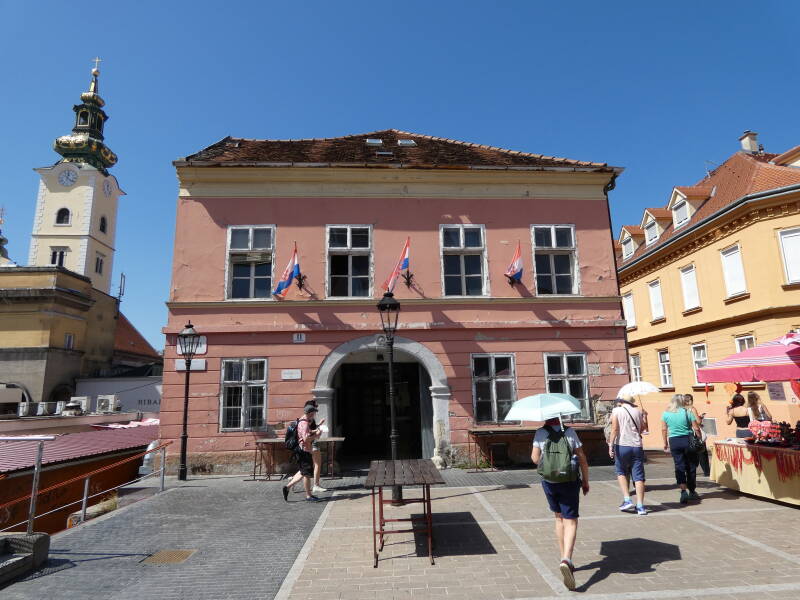
Zagreb
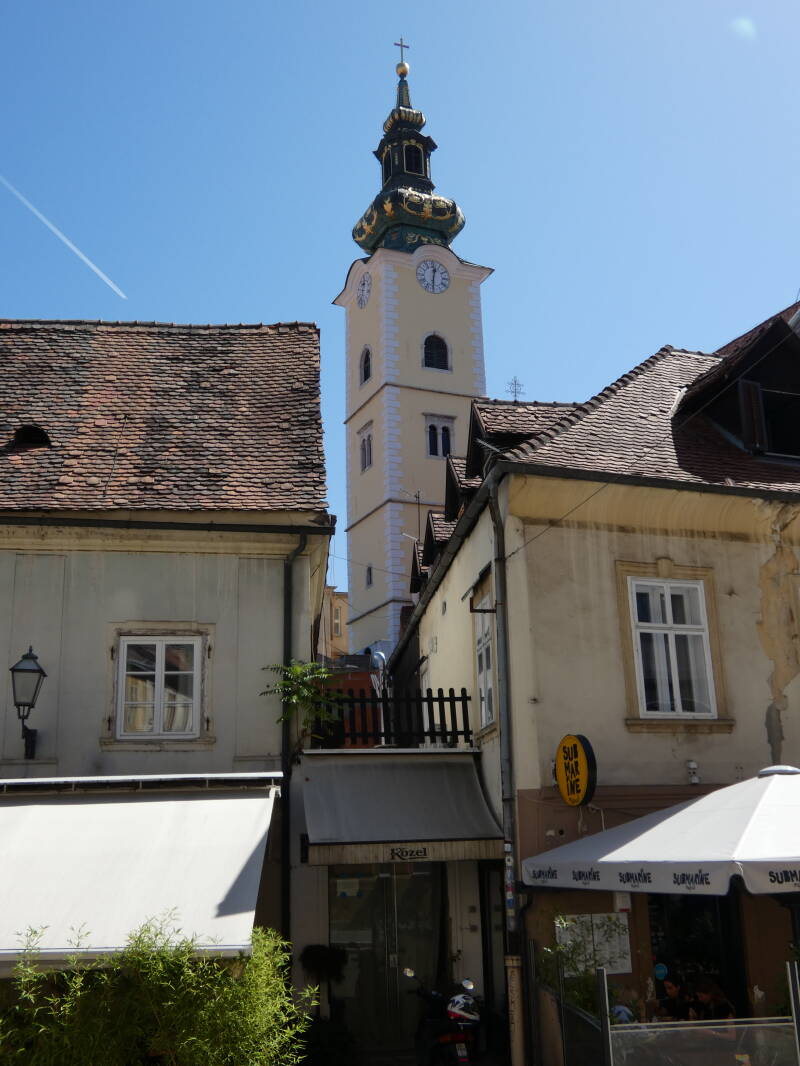
Zagreb
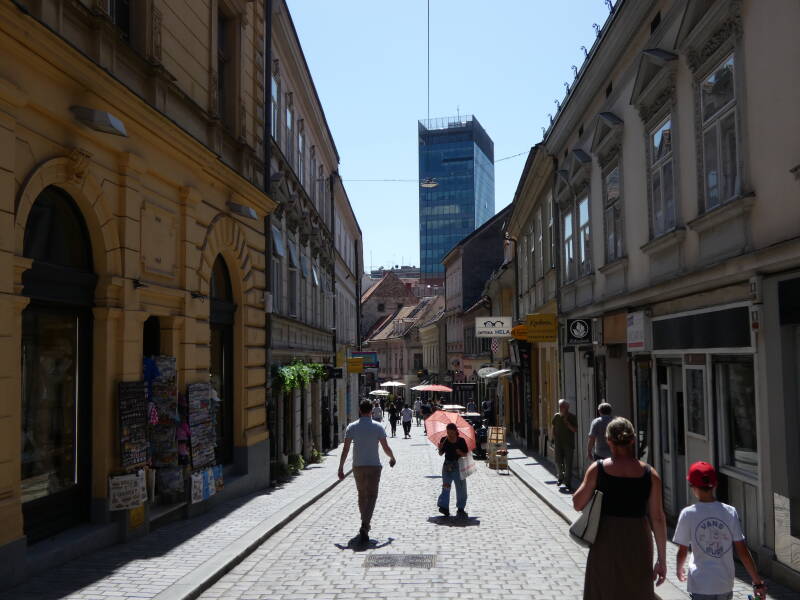
Zagreb
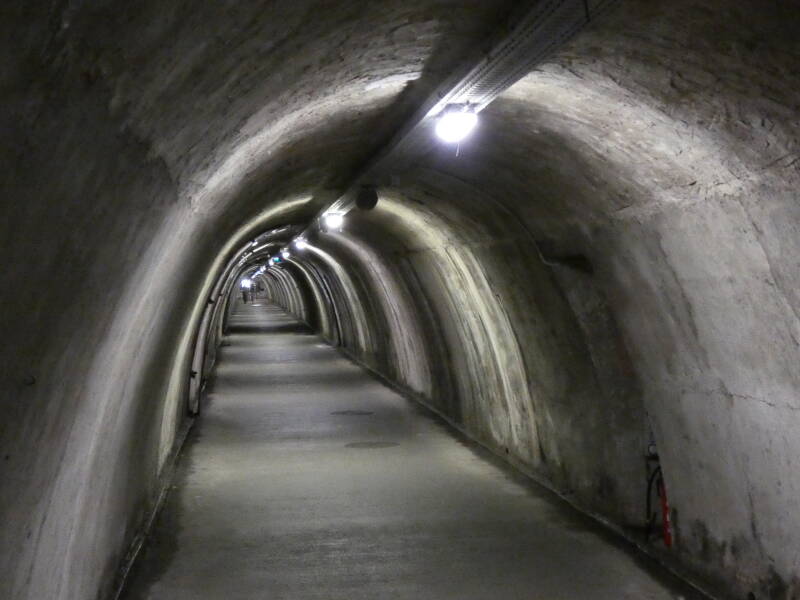
Zagreb
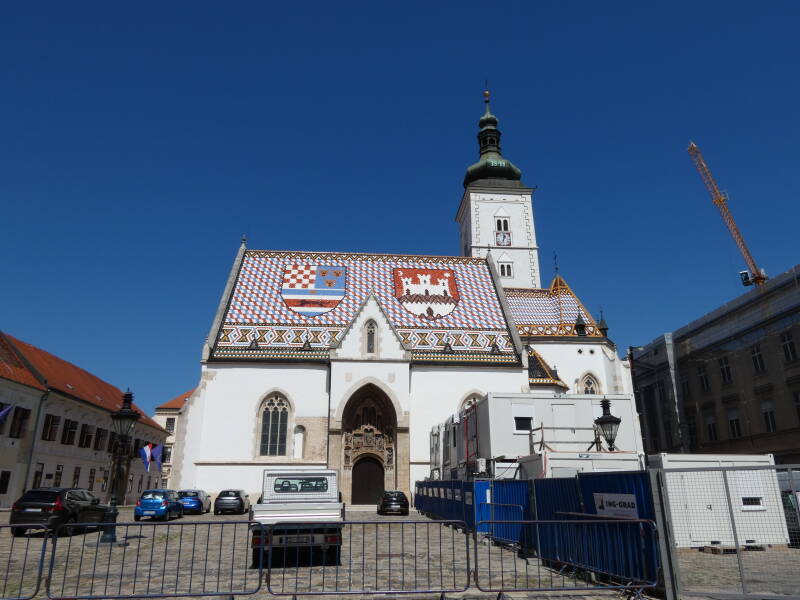
Zagreb
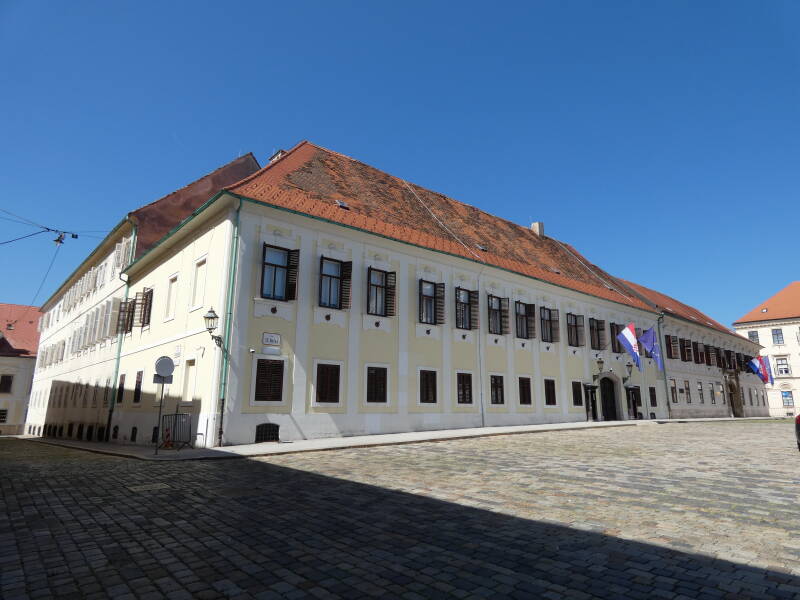
Parliament building, Zagreb
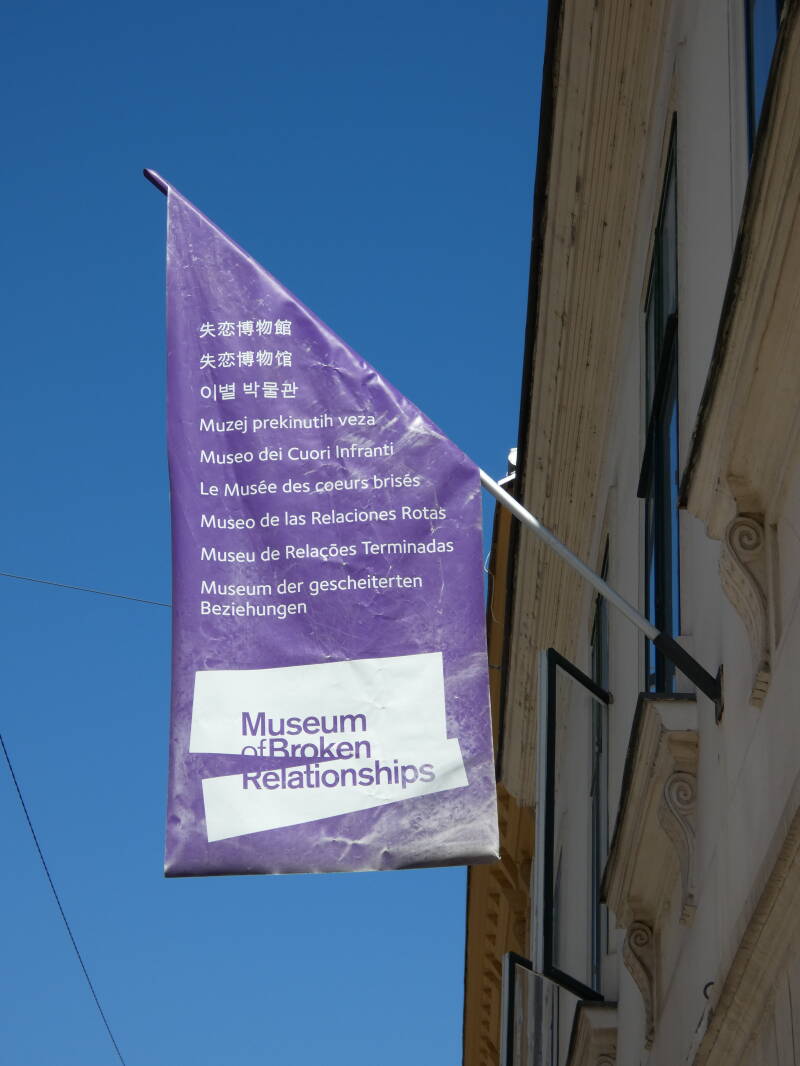
Zagreb
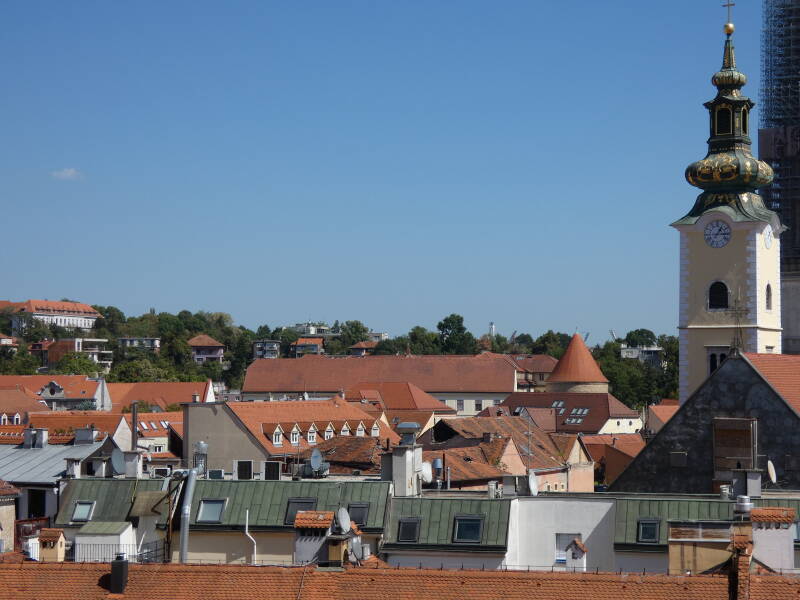
View over Zagreb
Create Your Own Website With Webador