Day 8 5 Sep - Road trip back into Croatia to visit Dubrovnik, then on to Montenegro

Photo above - Dubrovnik in Croatia.
Road to the coast
Another early start today as this morning we are driving 85 miles further south to Dubrovnik on the Adriatic coast. This means crossing the border back into Croatia.
We departed Mostar at 8am, leaving behind the dramatic landscapes of the lower Dinaric Alps, and entering a drier landscape, with lower hills, and scrubby parched land. These are the Karst mountains. Despite the hot sunny day, the atmosphere was quite murky in places due to a nearby wildfire. We passed a lot of small villages and towns, but there was still a lot of open space. As we neared the coast it became almost desert-like with bare rock and sparse vegetation.
First sight of the Adriatic
Our first stop at shortly before 10am was at a town called Neum which is situated on the short 12 miles of Adriatic coast line belonging to Bosnia and Herzegovina. We stopped at a viewpoint where there is a bridge across the bay that links the main part of Croatia to the small part that primarily contains Dubrovnik. Before the bridge was built 3 years ago, people had to pass through the border from Croatia to Bosnia, drive a few miles, then cross the border from Bosnia to Croatia.
Border crossing back into Croatia
A mile further on from Neum, we reached the border to cross into Croatia. We just had to show our passports once and have a photo taken. The process was very straightforward and there were only a few other vehicles crossing, so all very quick.
We continued along the Adriatic coast for about 1.5 hours. The road hugged the cliff, and there were great views of the deep blue sea, the countless islands, the little bays and inlets where people swam off small beaches or moored yachts. We eventually arrived at Dubrovnik at about midday.
Dubrovnik
Dubrovnik old town is surrounded by towering medieval walls and perched right on the coast. It has a population of 45,000, and is a UNESCO World Heritage Site. Though it suffered heavy shelling during the conflicts of the early 1990s, the Old Town has been meticulously restored.
You can walk up onto and along the old city walls for great views, but you have to pay and there are sometimes long queues, although not today. We wandered around the old cobbled streets and alleys. The town actually has the feel of an Italian town. The old town actually does not have a lot of frontage on to the sea, but we found a nice little harbour with moored boats and good views.
Further down the coat road to the border
After a wander round and some lunch, we hit the road again to travel 3 hours/40 miles further south along one of the region's most scenic coast roads, to the port town of Tivat, which means crossing another border into our 4th country, the tiny Montenegro. The road cut inland at one point and continued through a dry valley surrounded by high scrub covered mountains. We then turned off on to a thinner local road which went up in to the mountains. The road then went back down to the coast, and we arrived at the border on a cliff above the Adriatic.
Border crossing into Montenegro
We had to exit Croatia with a passport check and photo, but entering Montenegro, we were not even required to show our passports.. Once we finished with the border, we continued south along the coast. The first thing we saw was a tiny island with a stone building on it. This was a former prison, like Alcatraz, which is now a private casino.
Montenegro
Montenegro is bordered by Serbia, Bosnia, Kosovo and Albania, and has a coastline on the Adriatic Sea. It is a small country, just a tenth the size of England, and has a population of just 633,000. About 75% are Christian, with a further 20% practicing Islam. The capital and largest city is Podgorica situated in the south of the country but we are sticking to the coast. Montenegro was a principality in the 1800s, becoming the Kingdom of Montenegro in 1910, before becoming part of Yugoslavia in 1918. In 1992 Serbia and Montenegro became separate from Yugoslavia, and in 2006 it declared independence.
To our final destination
The coast road continued along the coast with the sea below on one side, and the hills rising up on the other. Unlike the Croatian side, in Montenegro the road passed through one town after another, with the houses and apartments built up the hillside and down the slope to the sea.
We arrived at Tivat at about 4.30pm. Once a quiet town, Tivat with a population of about 10,000, has undergone a striking transformation in recent years, now known for its sleek marina and upscale waterfront. We checked in to our hotel, then later walked down to the seafront to have a beer.
Tomorrow, we visit another two towns along the coast of Montenegro, then in the early evening we board a sleeper train to journey north across the border in to Serbia.
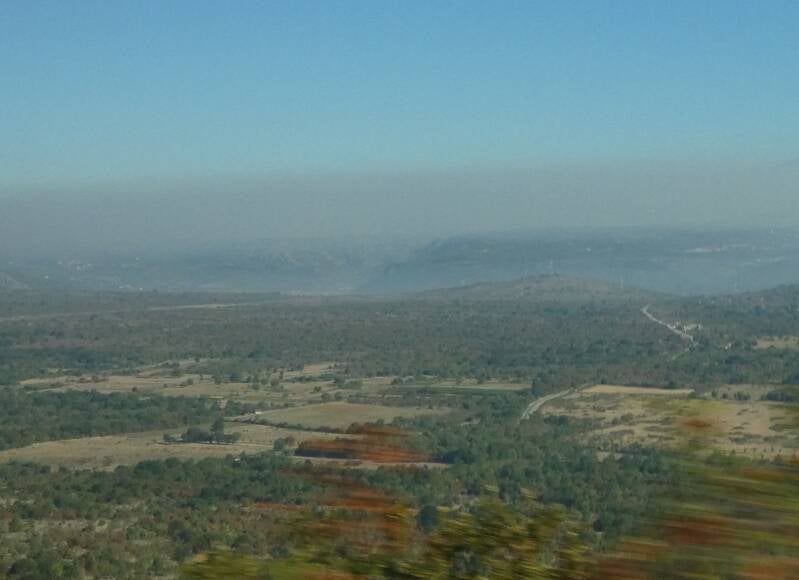
Parched empty countryside of southern Bosnia, with haze caused by wildfires
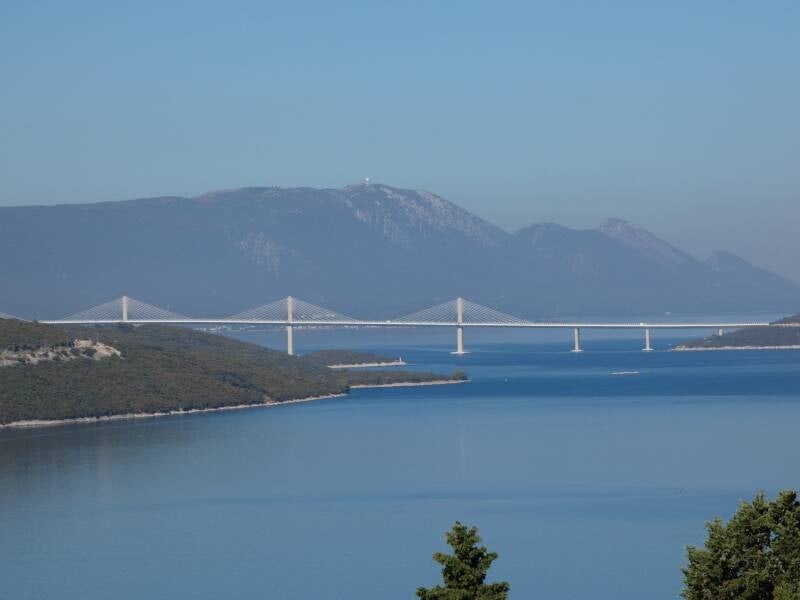
Bridge linking two parts of Croatia so that there is no need to cross two borders
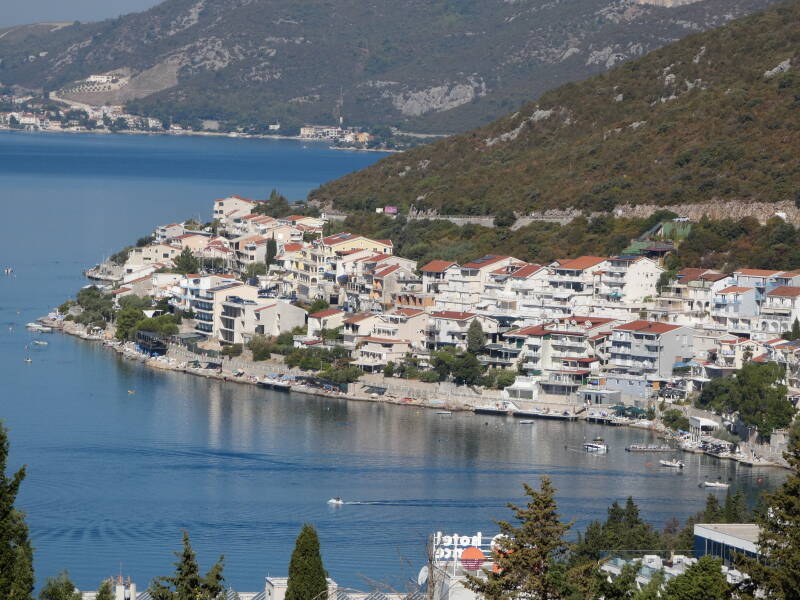
Part of the very small Bosnian coastline
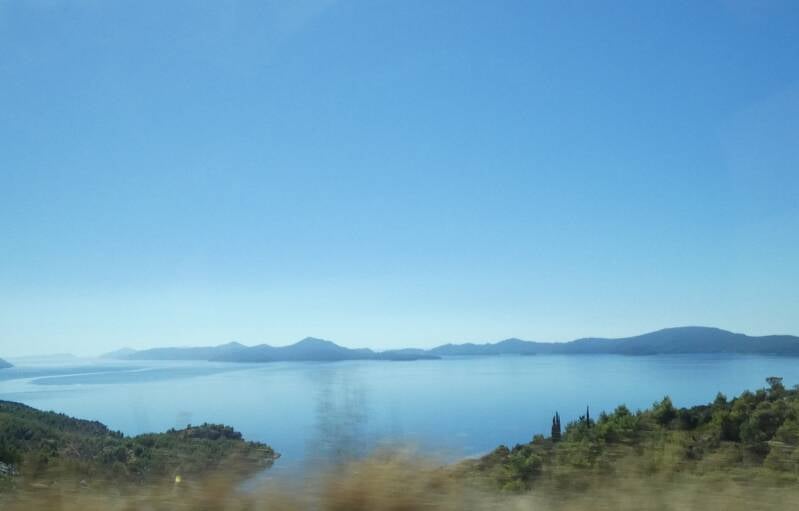
Adriatic coastline in Croatia
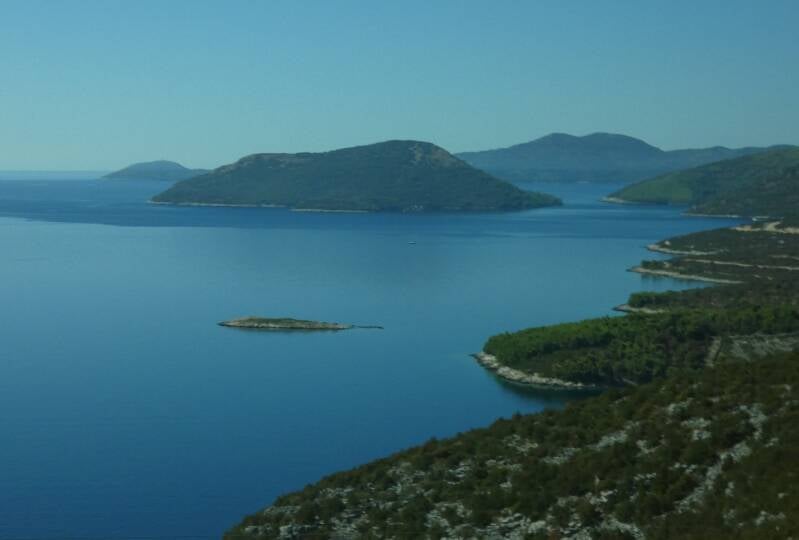
Adriatic coastline in Croatia
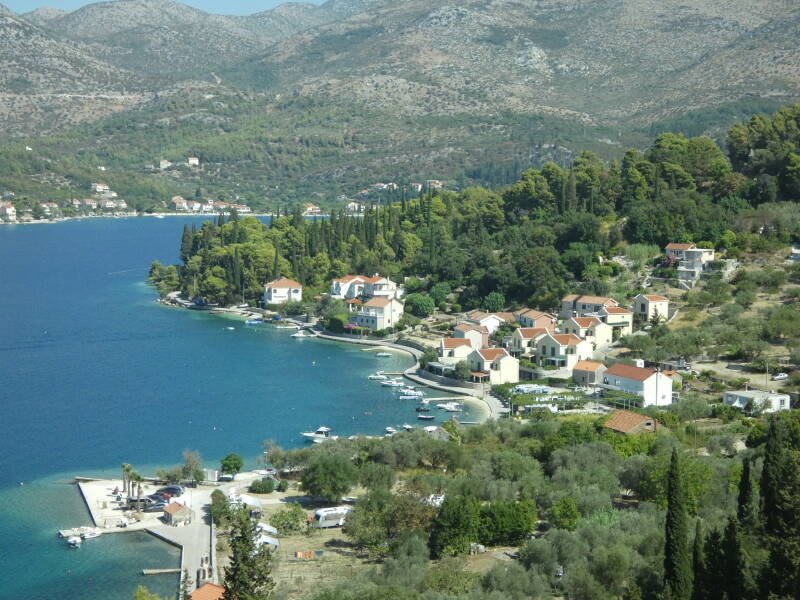
Adriatic coastline in Croatia
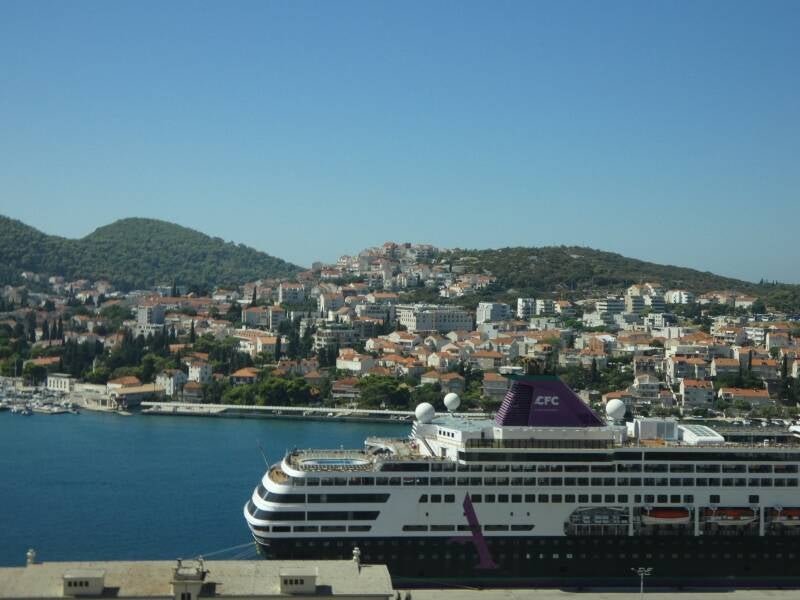
Dubrovnik
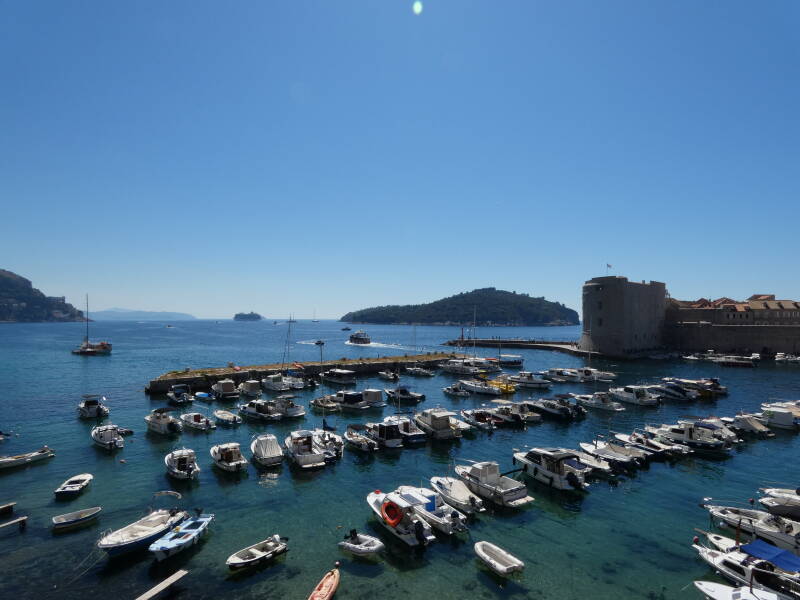
Dubrovnik
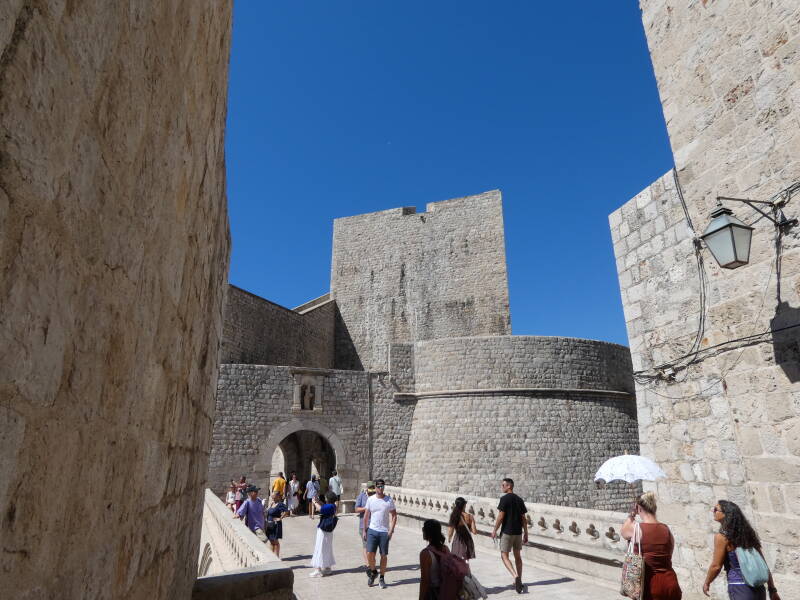
Dubrovnik gate in city wall
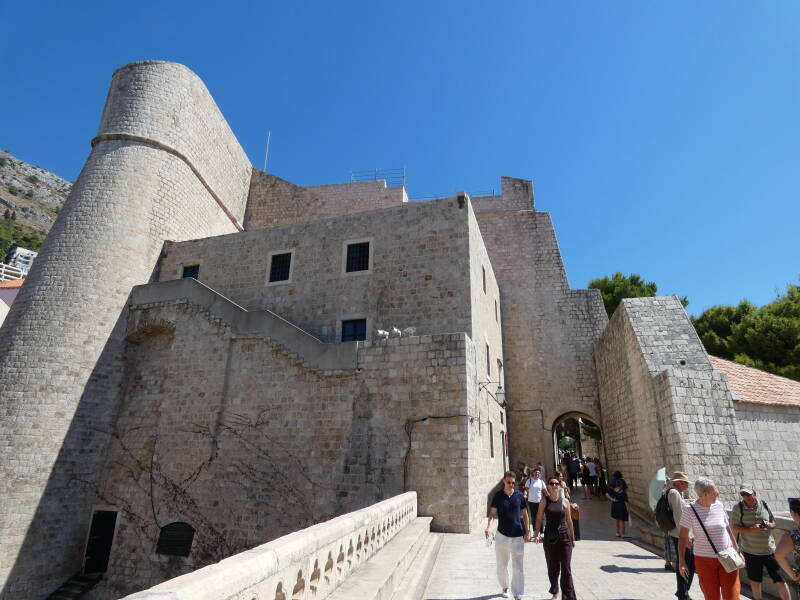
Dubrovnik
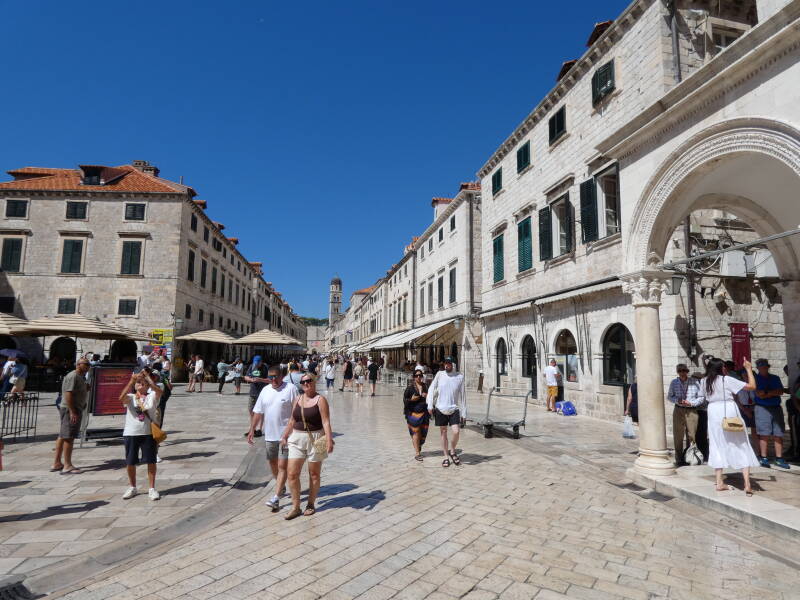
Dubrovnik
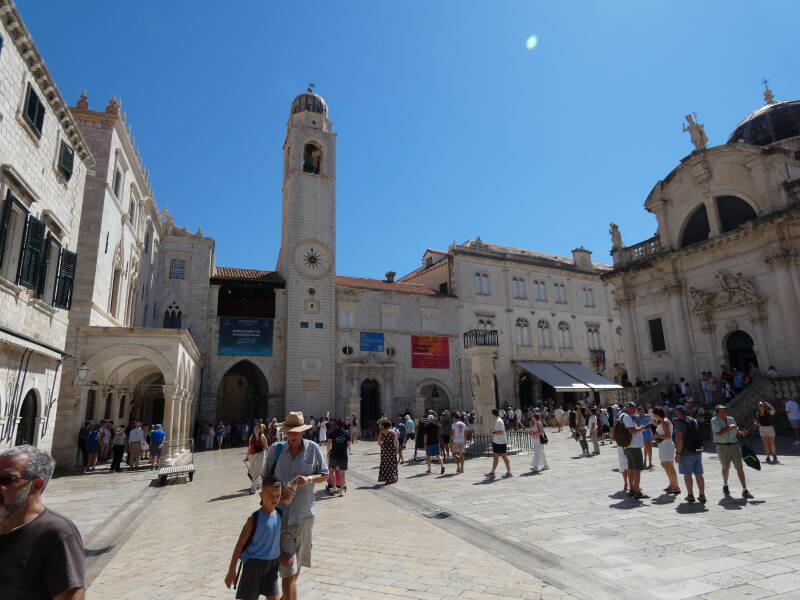
Dubrovnik
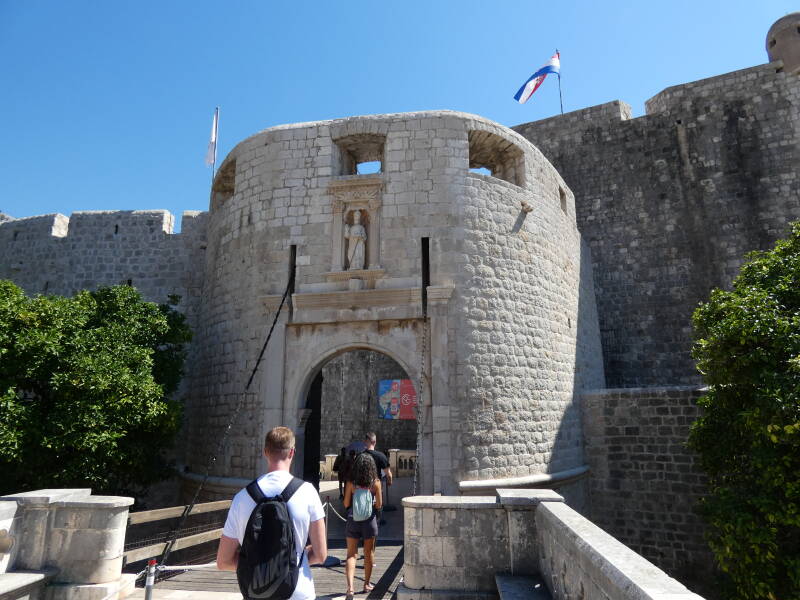
Dubrovnik, another entrance through the city wall
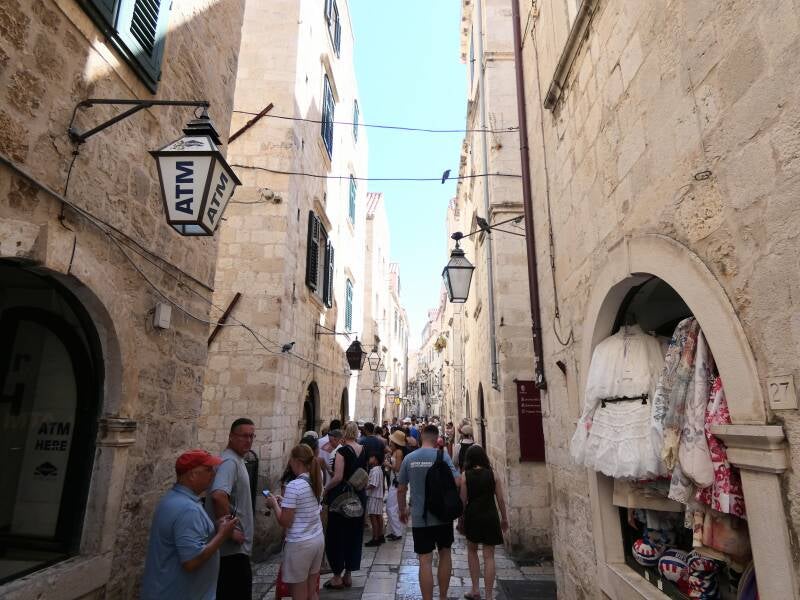
Dubrovnik
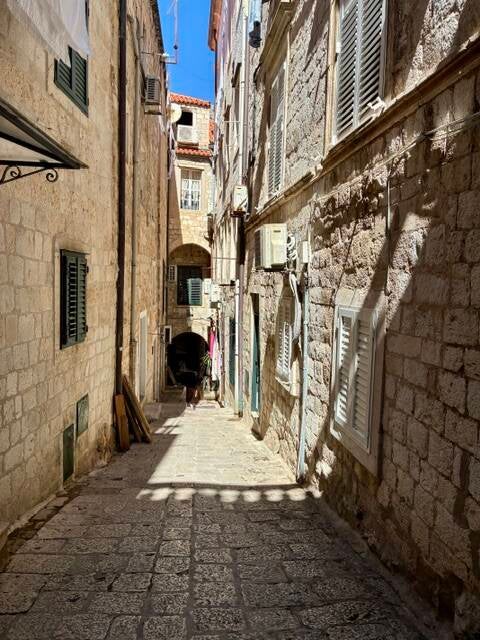
Dubrovnik
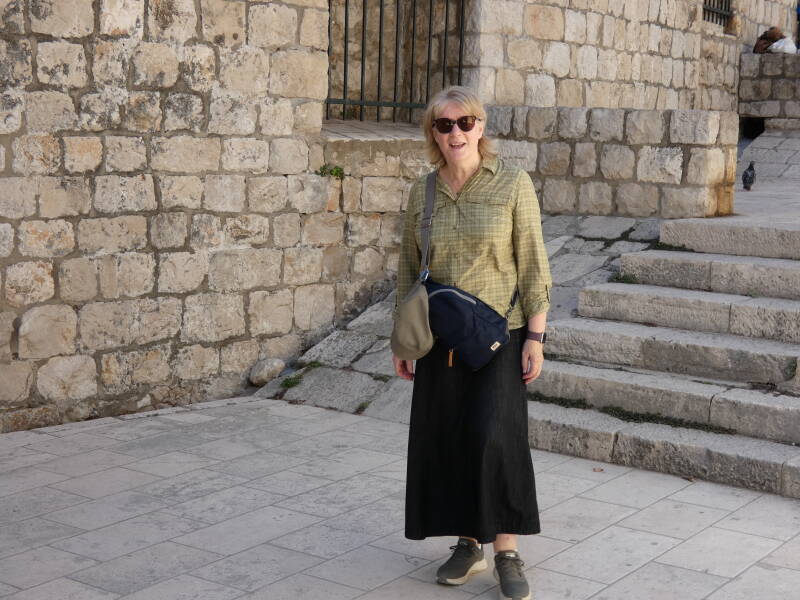
Dubrovnik
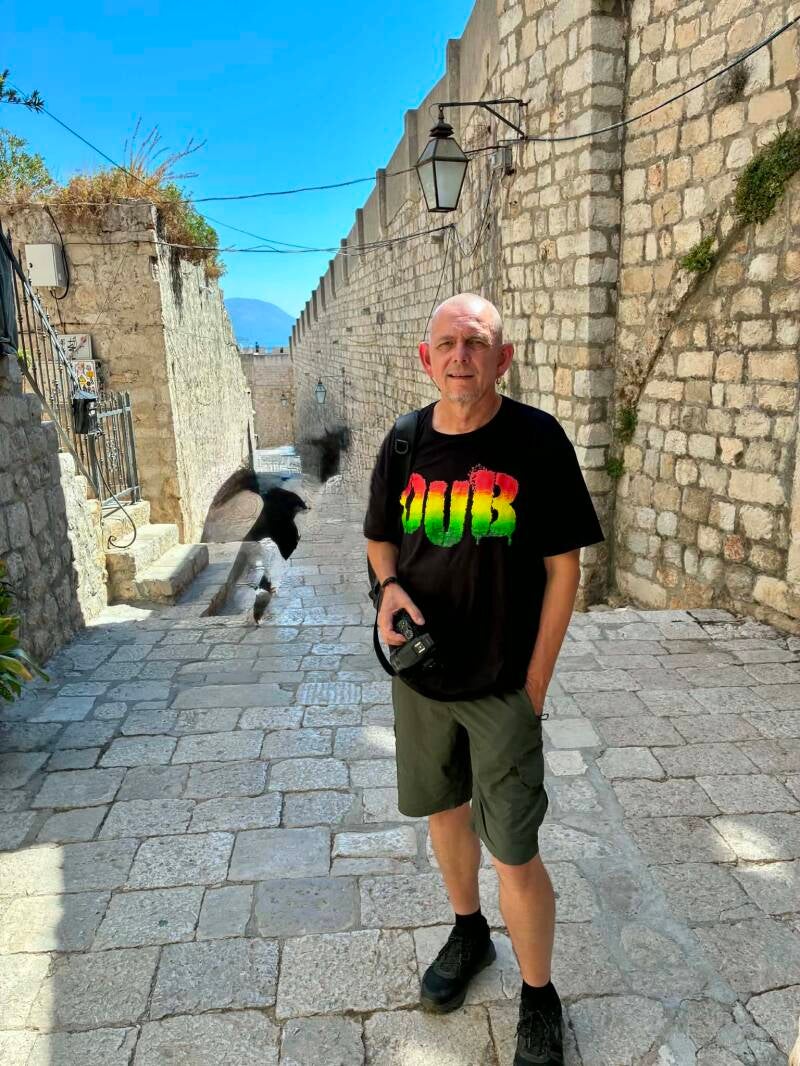
Dubrovnik
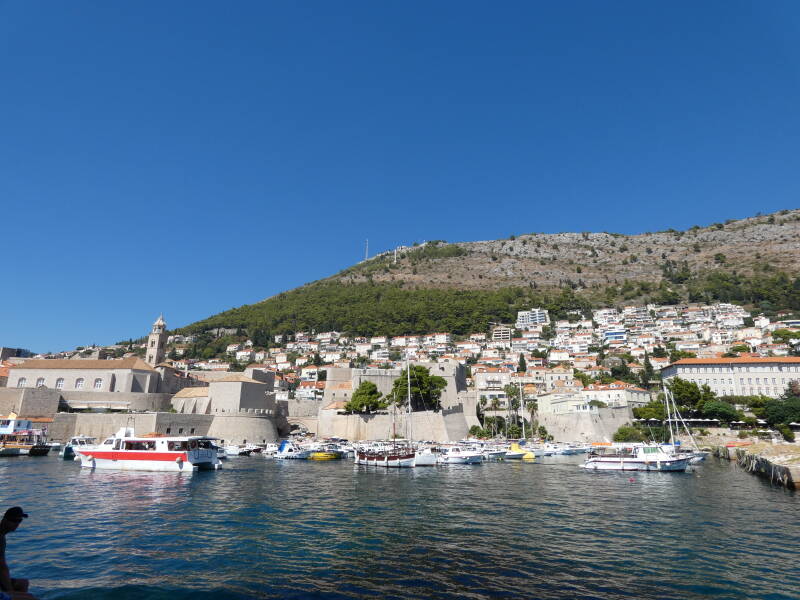
Dubrovnik
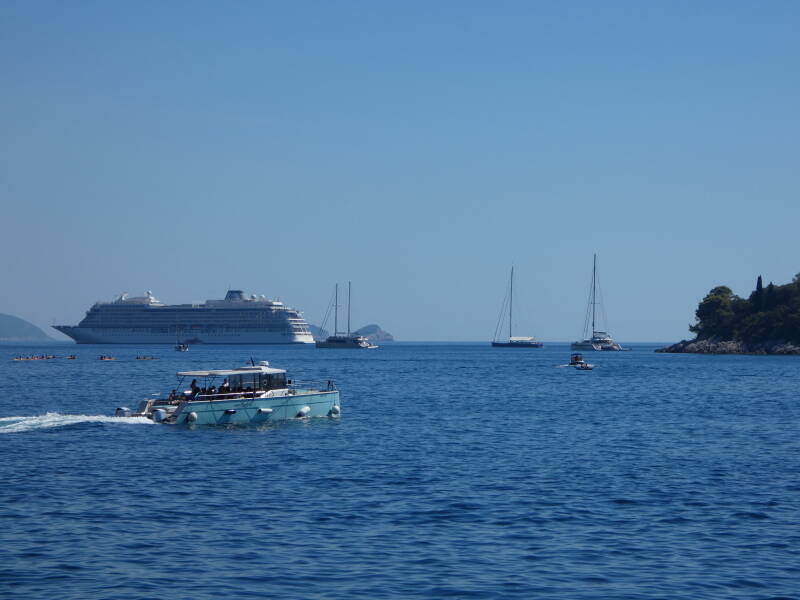
Dubrovnik
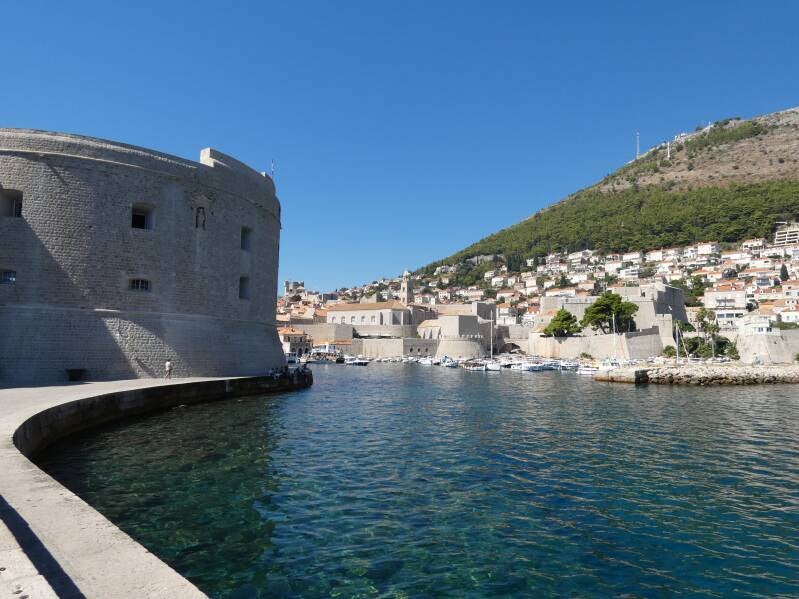
Dubrovnik
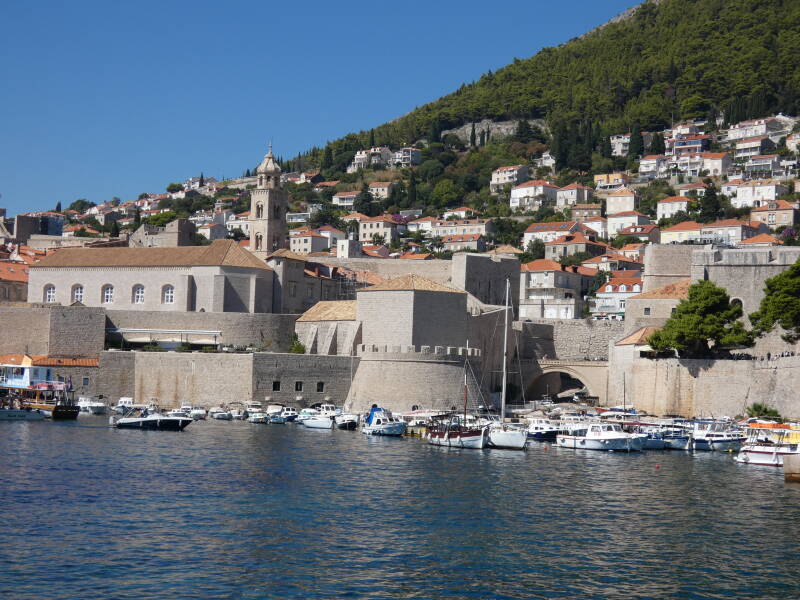
Dubrovnik
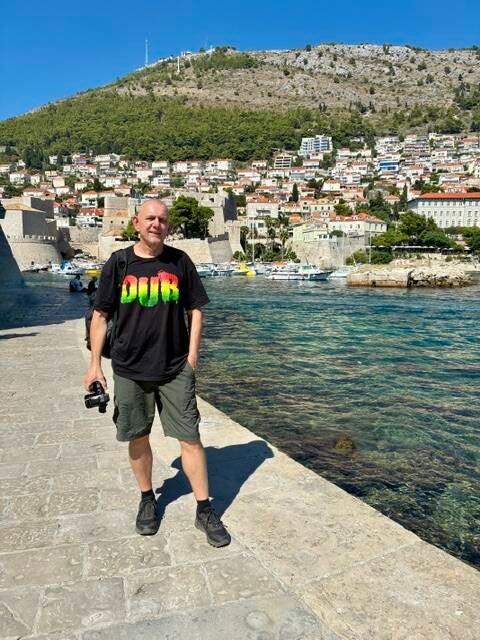
Dubrovnik
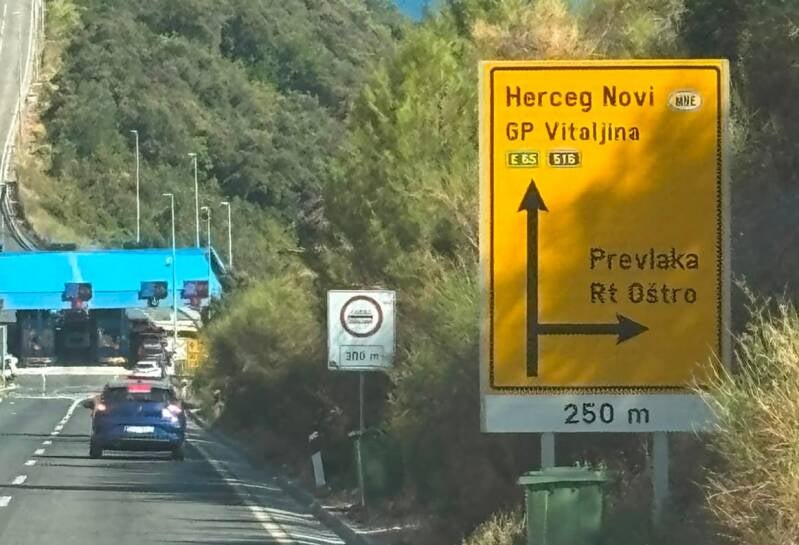
Approaching the border between Croatia and Montenegro
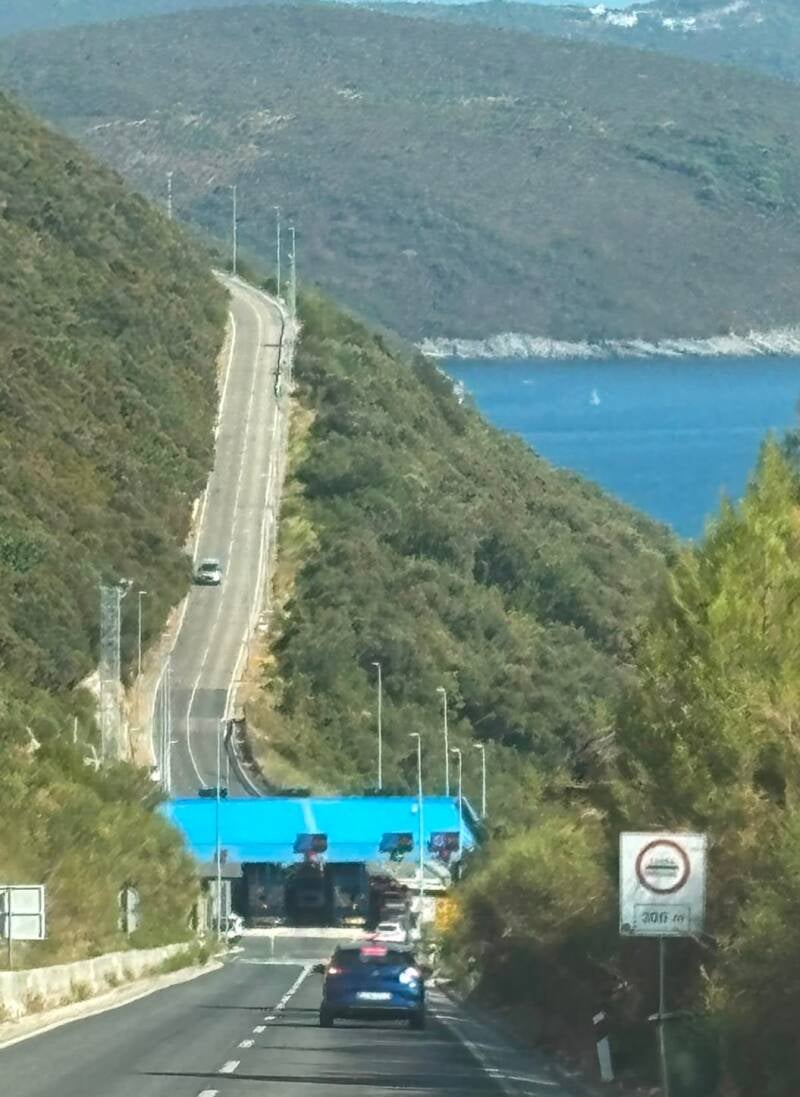
Approaching the border between Croatia and Montenegro
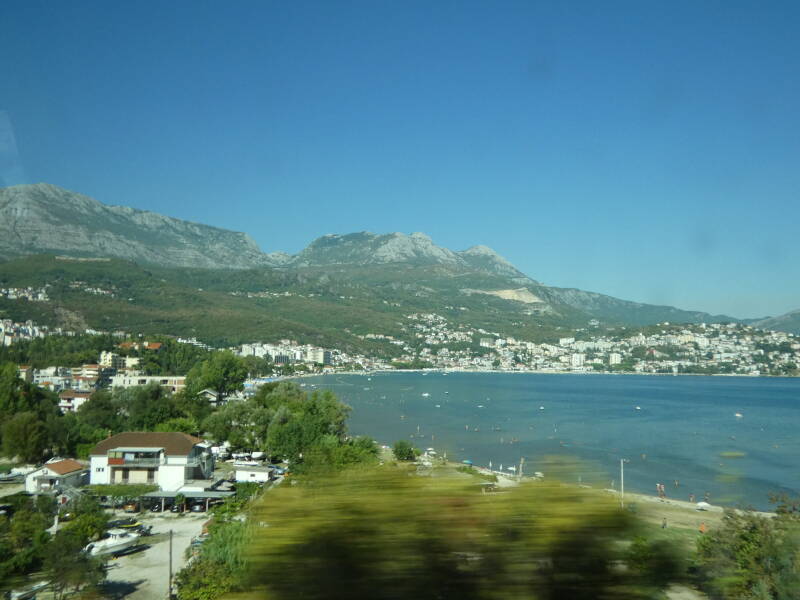
Montenegro coast line
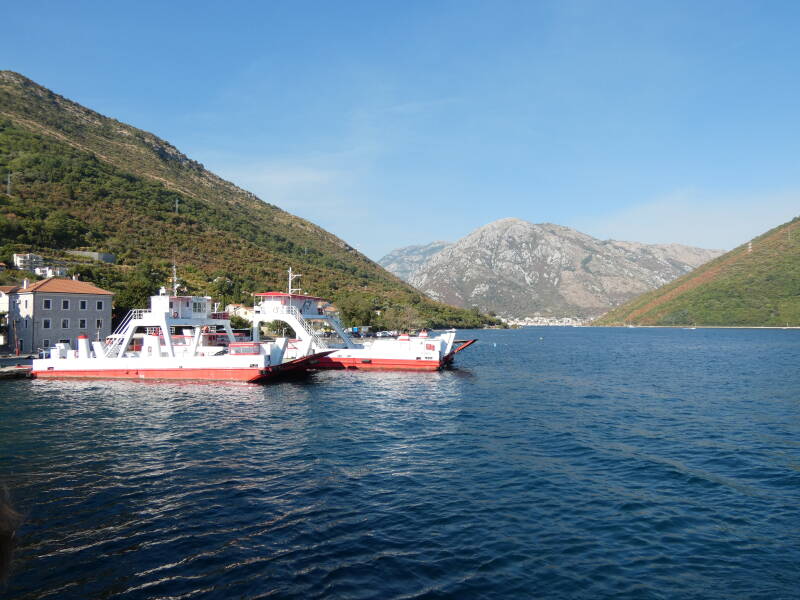
Car ferry across the bay
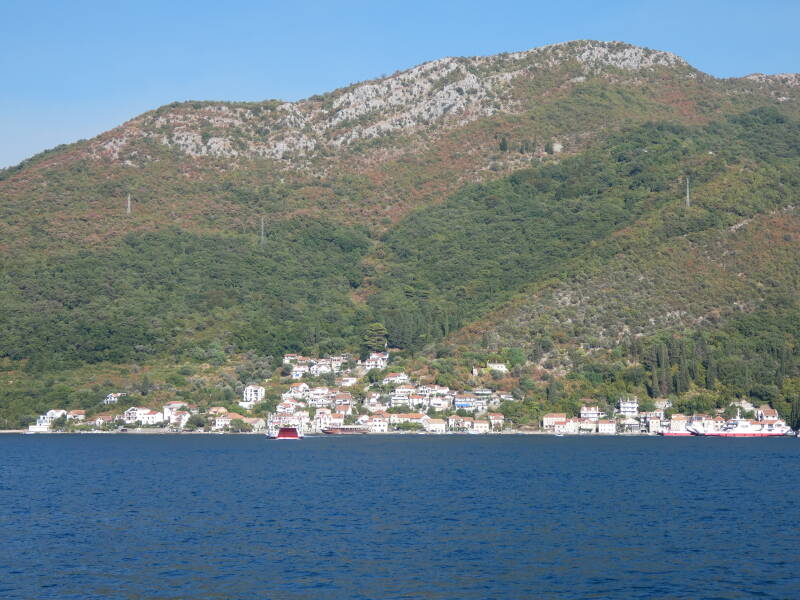
Our destination in the ferry
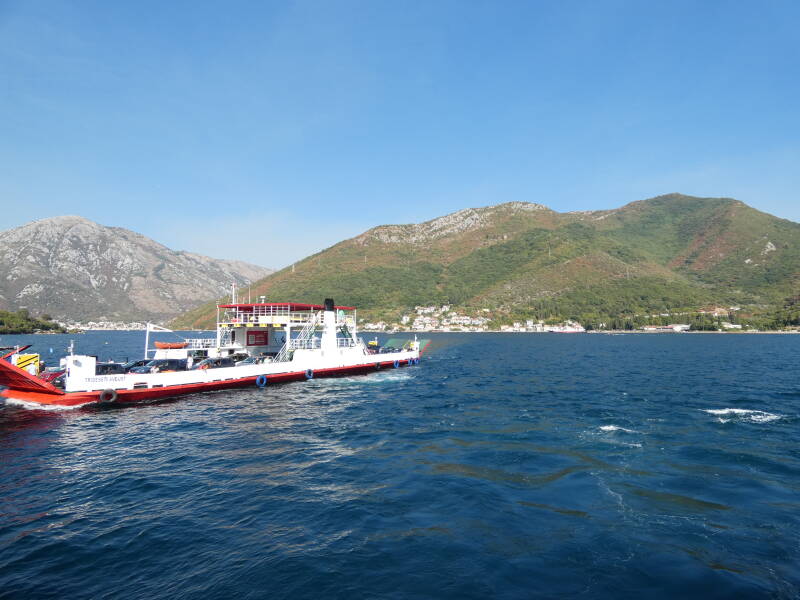
Ferry departing
Create Your Own Website With Webador