Day 20 - 12 Oct Exploring more of Easter Island

Photo above - Ahu Akivi seven Maoi
Final full day on Easter Island
After another rude awakening by chickens, and a lazy breakfast, we set off again to see a bit more of the island. Yesterday's drive around took us most of the way around the island, although it did not cover the far north as there are no roads, or the far south, which we are going to see today. It was a bit overcast today, but mild and dry.
Easter Island is a very lush and green island. Most buildings are single storey, and there are lots of palm trees. The speed limit is 40km but there are not a lot of cars and everyone drives very sedately. It is a very rural island with most of the land turned over to farming. Crops include sweet potato, pineapple, maize, pumpkin, Malay apple, ginger, turmeric, yams, and bananas. There is no industry here, although there are plenty of small businesses, arts and crafts, garages etc.
More about the Maoi
Our first stop was at Ahu Vinapu, a restored Maoi platform whose construction is similar to the technique used by the Incas in Peru. Nearby on the hillside, were some huge white fuel holders. These hold fuel brought by boat to the island every three months or so from mainland Chile.
We continued to the nearby Puna Pau, a quarry on the hills of Rano Kau, where pukaos were manufactured, the hats worn by the moais, which were made of red volcanic ash. There were some nice views over the main village of Hanga Roa from here.
The site that started tourism on Easter Island
Next a couple of miles further to Ahu Akivi, a west-facing altar consisting of seven moais whose eyes are fixed on the sunset over the ocean. These are the only original Maoi that actually have eyes, as opposed to just eye sockets. This was the first site on the island to be restored ie for the Maoi to be resurrected from their fallen position, and repositioned on their platform. This was done in the 1960s, and afterwards, tourists started coming to visit the site, and a regular commercial flight from Chile was introduced.
We then stopped in the main village of Hanga Roa to get some food,
Volcanoes and birdman cults
After lunch we went up to the Ranu Kai volcano. This is extinct and has a crater 1.5km across, and is 200m deep, and 320m above sea level.
Next stop was the ceremonial village of Orongo on the southernmost tip of the island where there are reconstructions of the original houses. This is one of the island's most culturally important sites and the setting for the annual competitions that played such a vital factor in the ancient birdman cult (the village was only occupied once annually for the contest).
Each year, chosen warriors from each of the tribes would dive into the waters, after climbing down a 300m cliff and swim to the nearby island of Motu Nui in search of the first of the eggs laid by the manutara (sooty tern). On returning to the village with an unbroken egg, the successful swimmer would win the right for his clan to control the distribution rights of the island's resources for the coming year, making it not only a culturally important event, but also one that had far reaching implications for the entire population. The remains of a number of ruined buildings and petroglyphs are dotted about the site, offering a fascinating insight into the cult and its influences.
Finally it was back to the hotel for a final night on Easter Island. Tomorrow, we fly back to Santiago on the Chilean mainland.
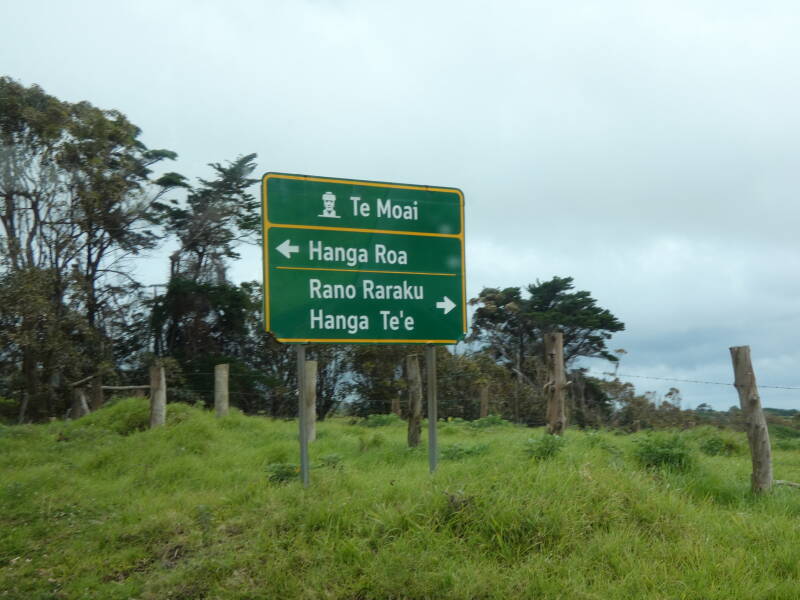
On an island this small, all roads lead to Hanga Roa, the main village
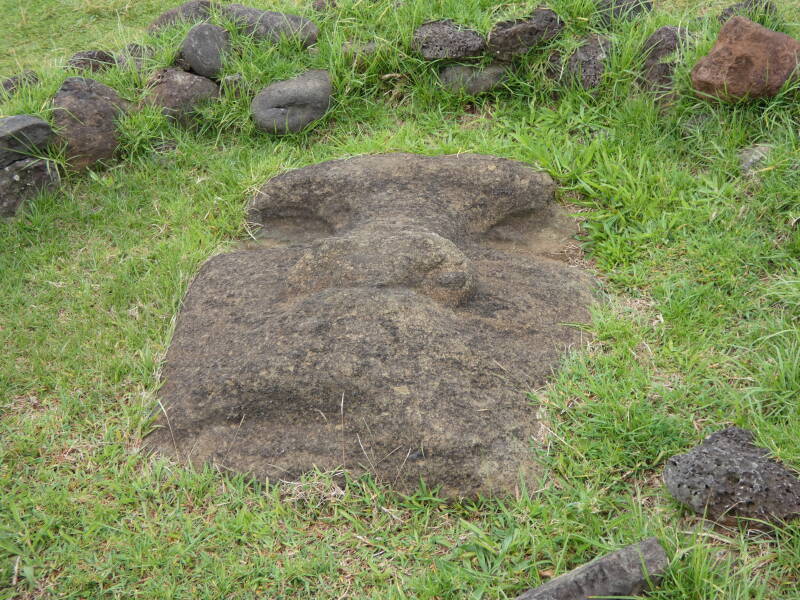
Discarded head
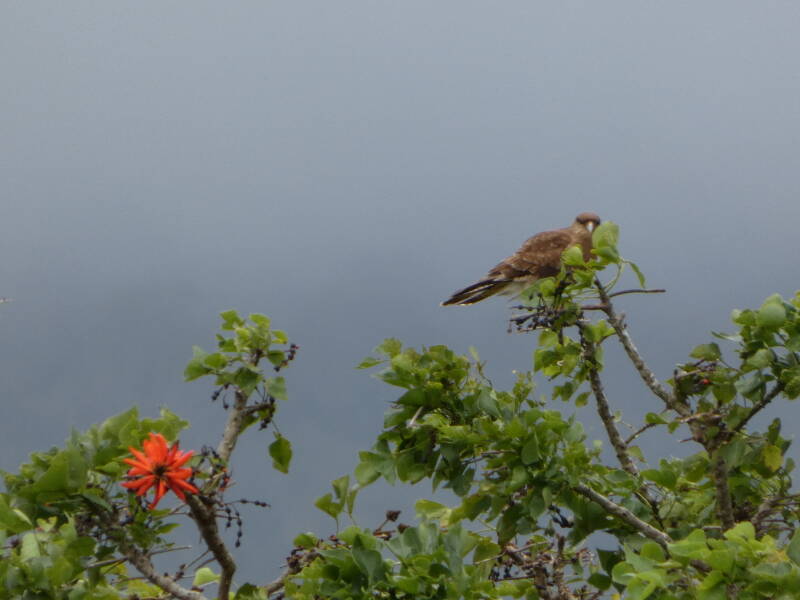
Caracara bird
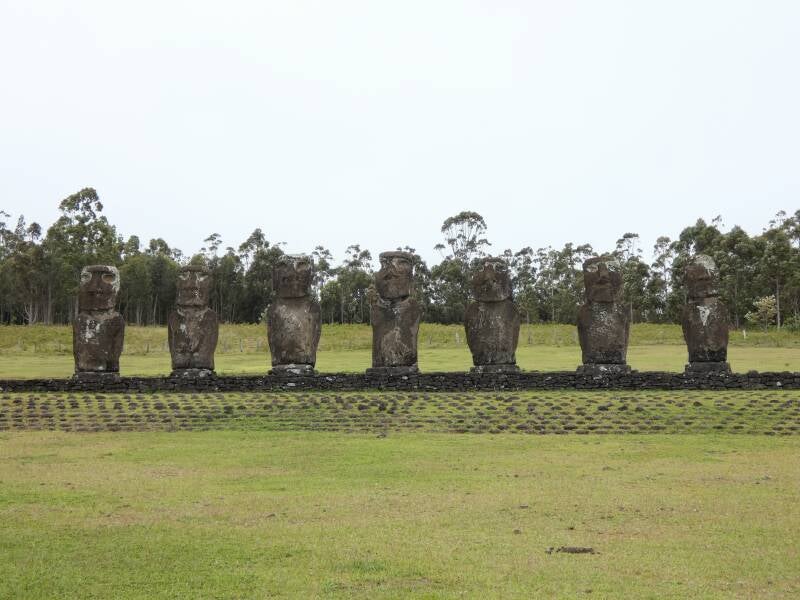
Ahu Akivi site
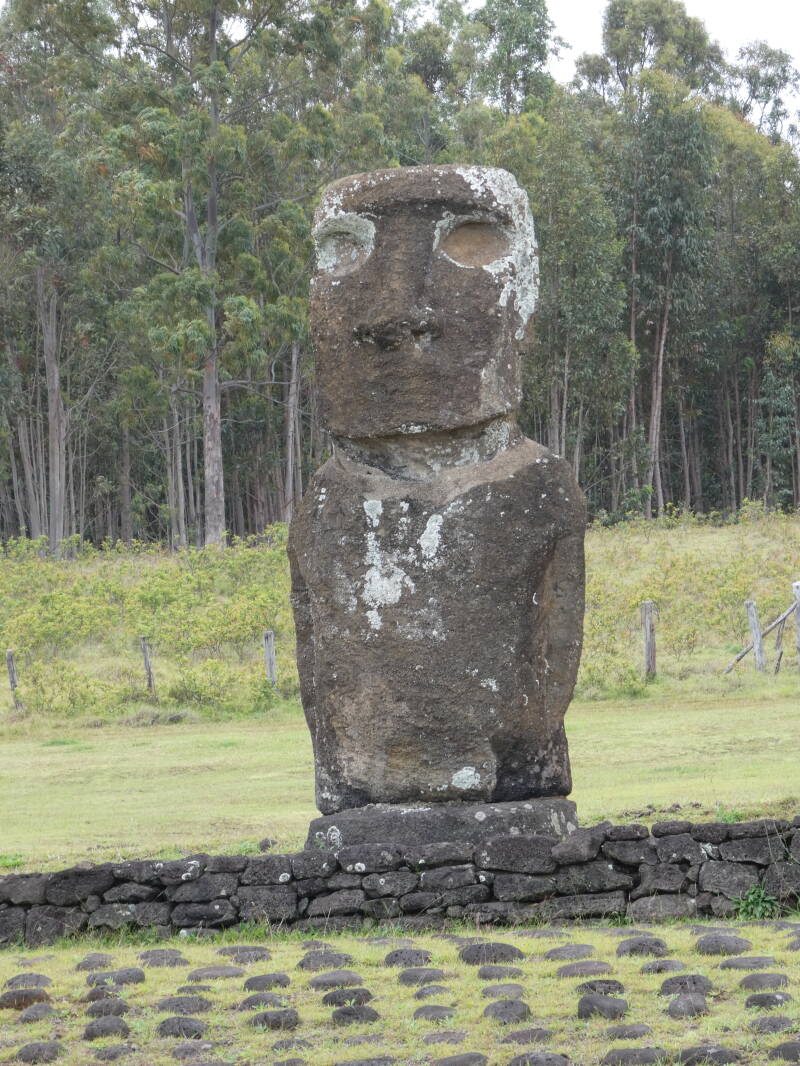
Ahu Akivi site
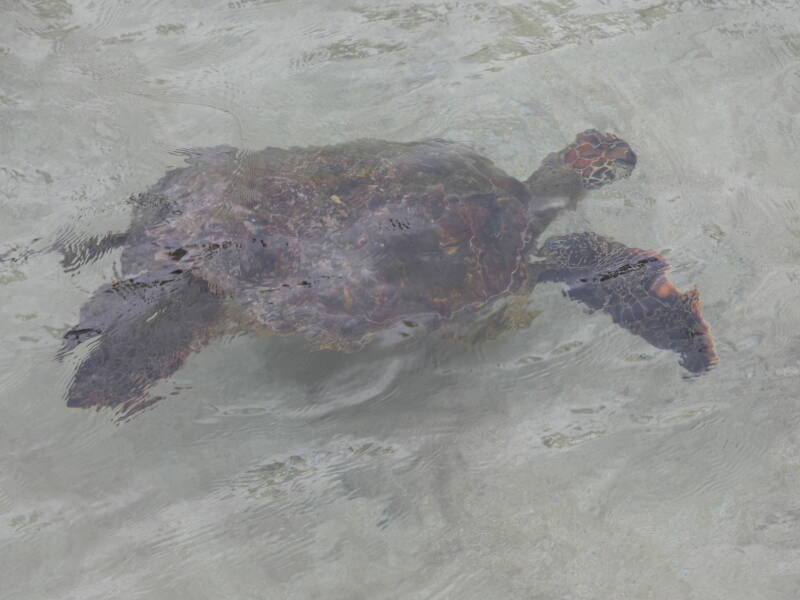
Turtle in the harbour
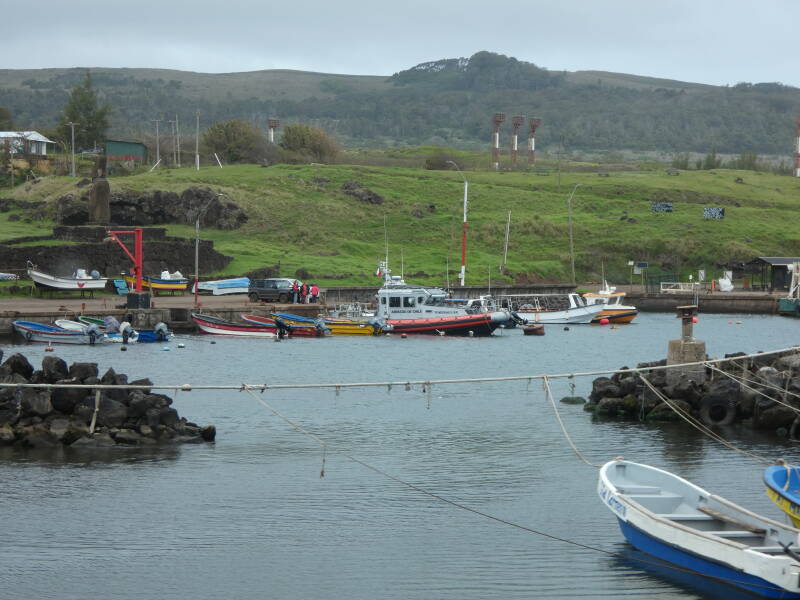
Hanga Roa harbour
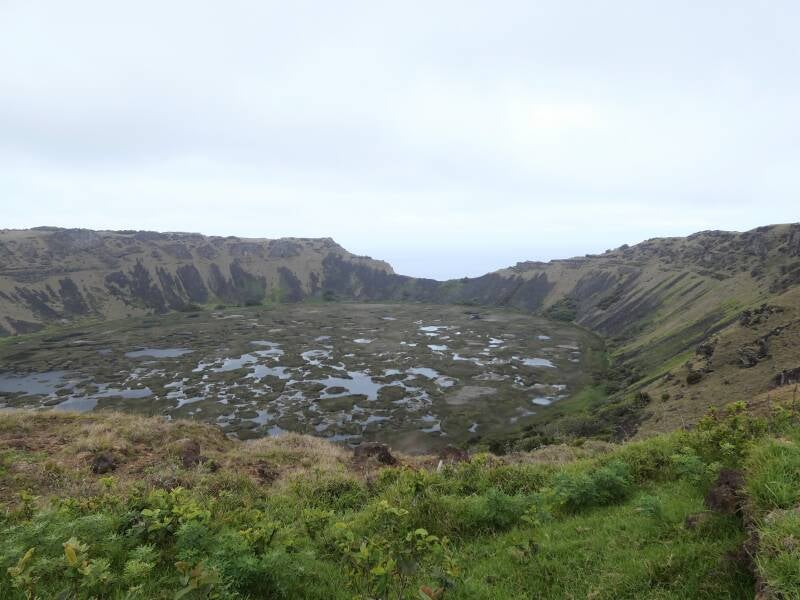
Ranu Kai volcano crater
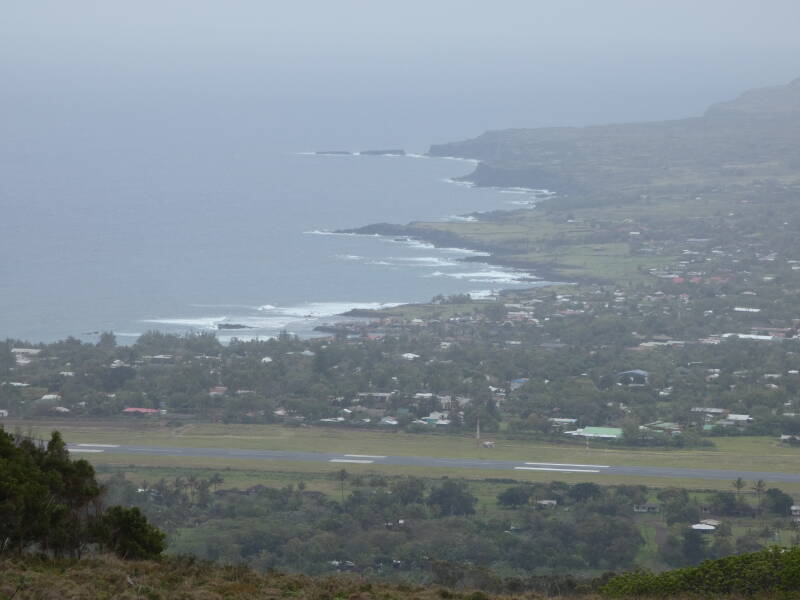
View over Hanga Roa from volcano
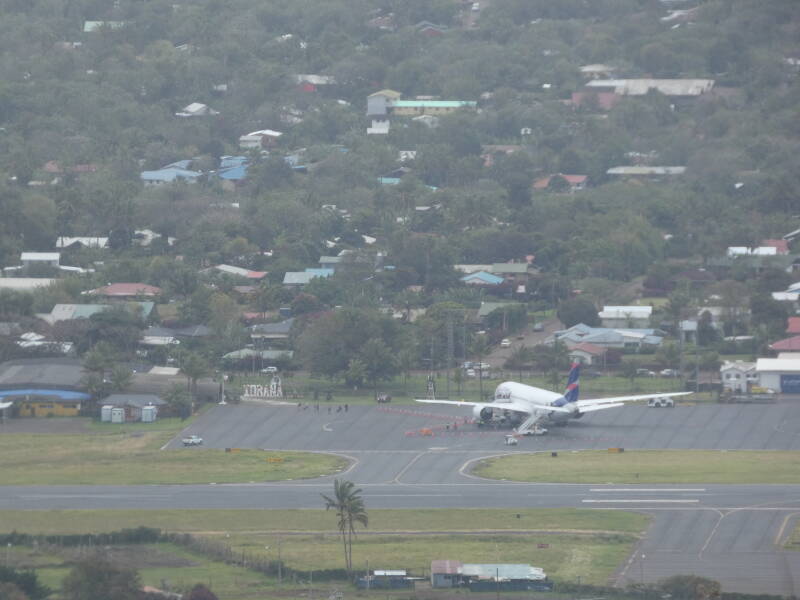
View over Hanga Roa from volcano, with daily plane on runway
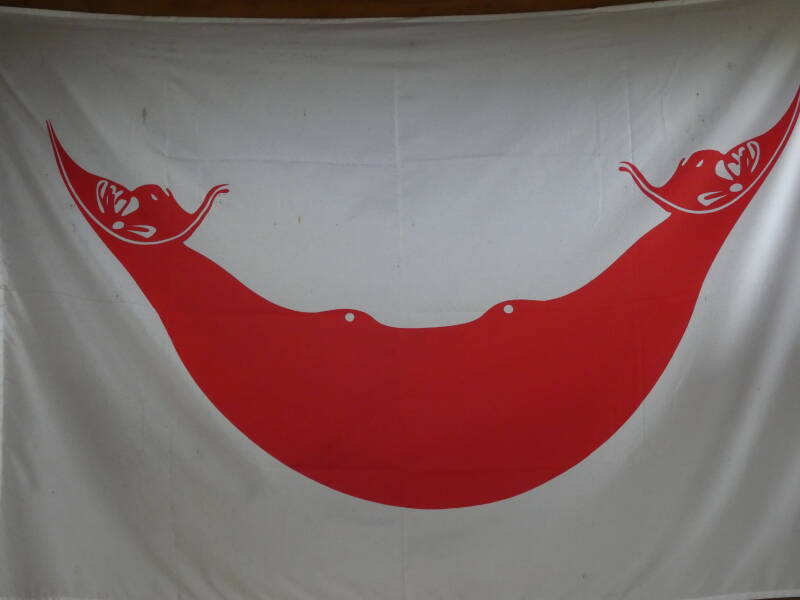
Easter Island/Rapa Nui flag
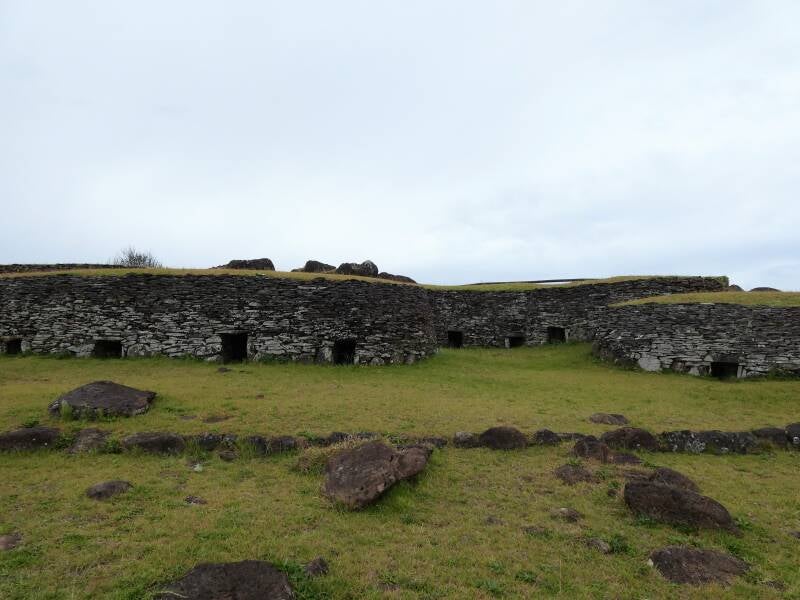
Orongo ceremonial village houses
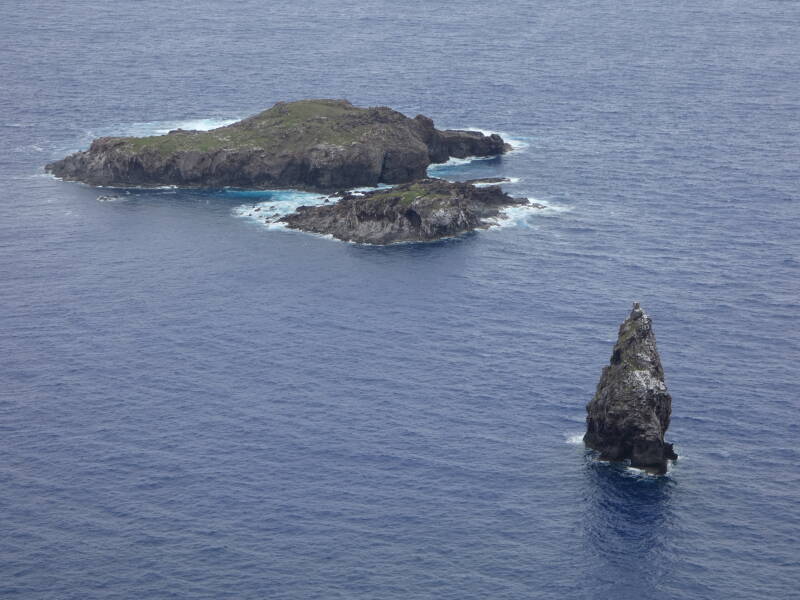
Island of Motu Nui, where warriors would swim to get birds eggs
Create Your Own Website With Webador